


Key Takeaways
- Climate-smart agriculture combines technology, data, and new financing models to aid farmers.
- Access to “patient capital” is crucial for enabling transitions to regenerative agriculture.
- Involvement of farmers in technology development ensures that solutions address on-the-ground challenges effectively.
Insights on Climate-Smart Agriculture in SADC
The recent high-level SADC Food Systems Transformation Policy Dialogue highlighted the critical move towards climate-smart agriculture in Southern Africa, emphasizing the integration of new technologies, financing models, and farming practices. The event, part of the 2026 SADC Summit in Durban, underscored the importance of aligning these innovations with the practical realities faced by local farmers.
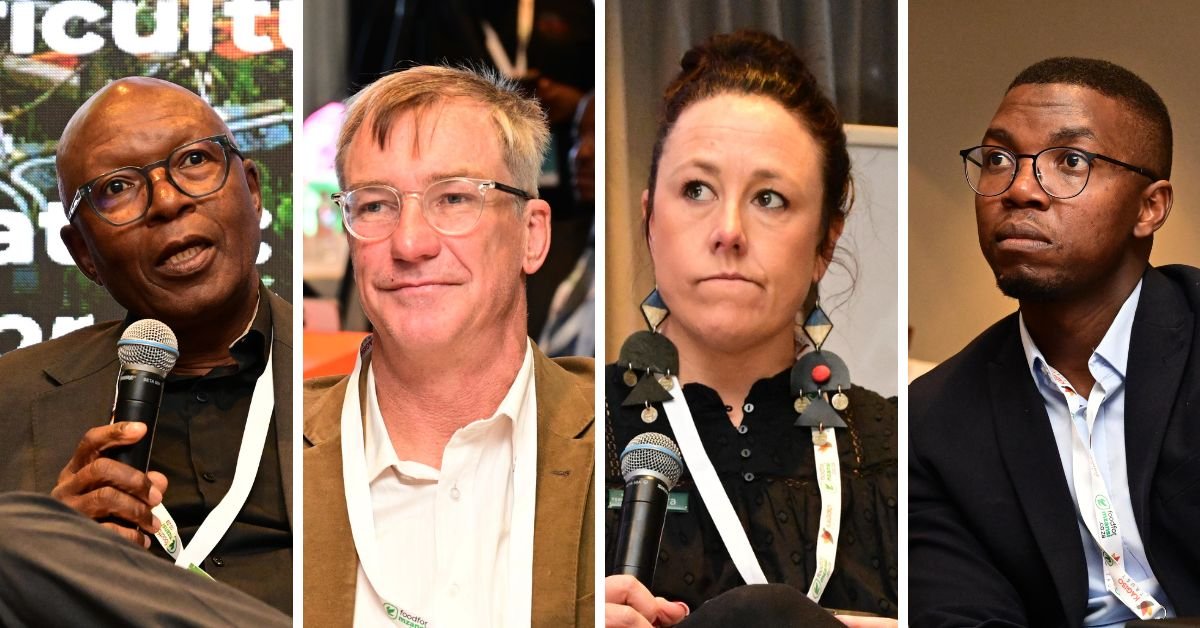
Desry Lesele, a senior manager from Nedbank Commercial Banking, addressed challenges in financing regenerative agriculture. He noted that while farmers acknowledge the significance of soil health and resilience, the immediate costs of transitioning to regenerative methods often clash with the long-term nature of agricultural cycles. This necessitates what he termed “patient capital” to support farmers transitioning over the years.
Lesele called for innovative financing solutions, such as blended finance and risk-sharing mechanisms, to mitigate risks for investments in climate-smart agriculture. He stressed that collaboration from climate-smart funds, development finance institutions, and governments is essential for encouraging private-sector participation in these initiatives.
Dr. Tara Southey, CEO of TerraClim, emphasized the need for agricultural technology to support, rather than replace, farmers’ existing knowledge. She illustrated this with a project in the Eastern Cape that consolidated various agricultural data sources into an accessible platform for farmers. Her approach prioritizes tailored solutions that reflect the diverse farming conditions across the SADC region, rejecting the idea of a “one-size-fits-all” model.
Ishmael Sunga, CEO of the Southern African Confederation of Agricultural Unions, highlighted the necessity of involving farmers in the development of agricultural innovations. He pointed out that technologies often fail when they do not address specific farmer challenges. Furthermore, Sunga argued for an integrated approach to climate-smart agriculture, one that incorporates essential infrastructure improvements such as water systems and roads.
Michael Lilje, founder of Orizon Agriculture, spoke about the importance of applying precision agriculture principles without the need for costly equipment, making it accessible to smaller farmers. He advocated prioritizing education in technology investments to ensure farmers can evaluate cost-benefit ratios effectively before adopting new systems.
Professor Naude Malan cautioned against over-emphasizing high technology, which may not be viable for smaller operations. He argued for adaptable, low-cost technologies that allow farmers to progress at their own pace. The focus should remain on financial sustainability, considering ecological diversity and promoting a range of solutions tailored to individual farming contexts.
The dialogue concluded with a consensus that sustainable agricultural practices need to reflect the unique circumstances of each farmer, ensuring that technology and policy decisions are diverse and context-sensitive, ultimately fostering resilient food systems across the region.
The content above is a summary. For more details, see the source article.









