


Key Takeaways
- Samsung is integrating digital health tools to streamline hospital workflows and enhance patient care.
- The company is focusing on creating smart patient rooms linked to digital devices for improved hospital efficiency.
- Future innovations aim to leverage AI and consumer technology to enrich patient data and optimize healthcare delivery.
Enhancing Healthcare with Digital Solutions
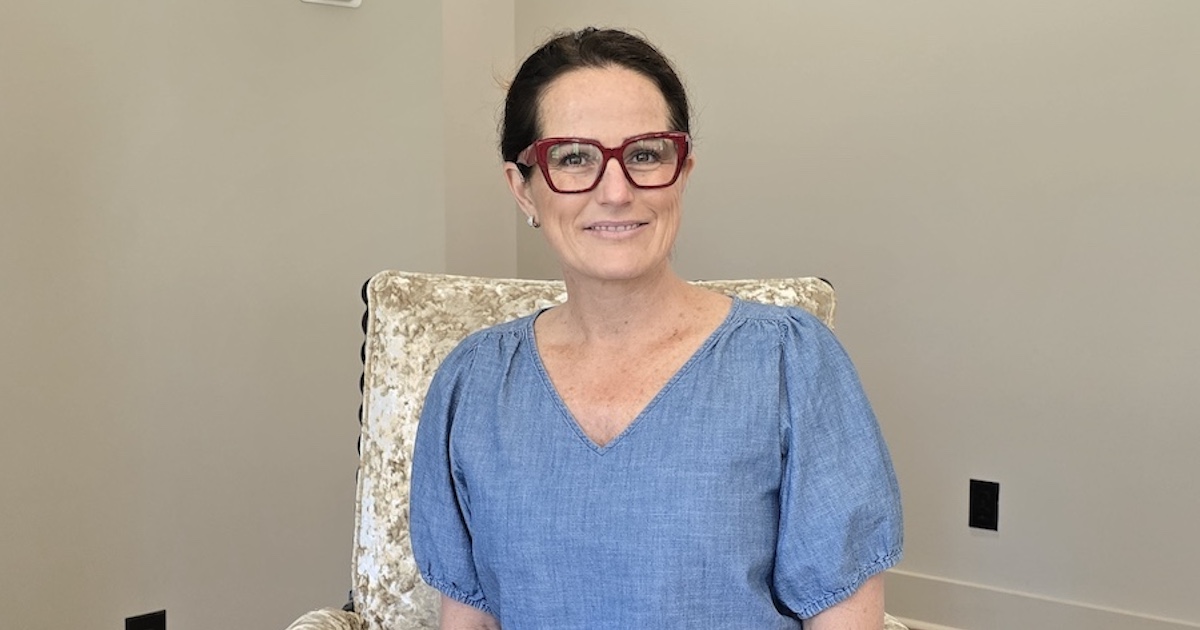
At the HIMSS Global Health Conference & Exhibition, Cherry Drulis, Samsung’s director of healthcare mobile B2B, highlighted the company’s digital health initiatives that are transforming hospitals and health systems. Samsung is focused on enhancing healthcare provider efficiency and patient experience by leveraging its extensive range of digital devices, including mobile phones, tablets, smart TVs, and wearables.
Drulis emphasized that by rethinking workflows, Samsung aims to reduce reliance on traditional workstations and instead integrate mobile devices into clinical environments. This shift not only facilitates easier interactions with electronic health records (EHRs) but also enhances patient engagement through interactive platforms. Patients can control their surroundings using tablets, creating a more centered care experience.
The initiative extends to establishing smart patient rooms equipped with interconnected devices. This technology allows for seamless communication and management of hospital operations. For example, sensors can guide visitors to available parking spots and facilitate self check-in for patients. The system eases navigation within the hospital, reducing confusion and frustration.
Drulis mentioned the unveiling of a smart cart prototype at HIMSS, developed in response to feedback from health systems aimed at improving clinician efficiency. With these advancements, clinicians can manage schedules and logistics more effectively, empowering them to provide better care at the point of service.
Looking forward, Drulis outlined an ambitious vision where patient care is increasingly linked to consumer technology. By unifying data collected from personal devices with AI capabilities, clinicians can access what she referred to as “smart healthcare data.” This integration aims not just to enhance individual care but to reshape overall health outcomes, turning the vast amount of health data into actionable insights.
In summary, Samsung is at the forefront of merging consumer tech with healthcare solutions, leading to improvements that prioritize both clinician efficiency and patient empowerment. As the digital landscape in healthcare evolves, Samsung’s strategy reflects a commitment to innovative technologies that enhance the delivery of care.
The content above is a summary. For more details, see the source article.









