


Key Takeaways
- Surging AI demand boosts interest in Samsung Electronics’ chipmaking services.
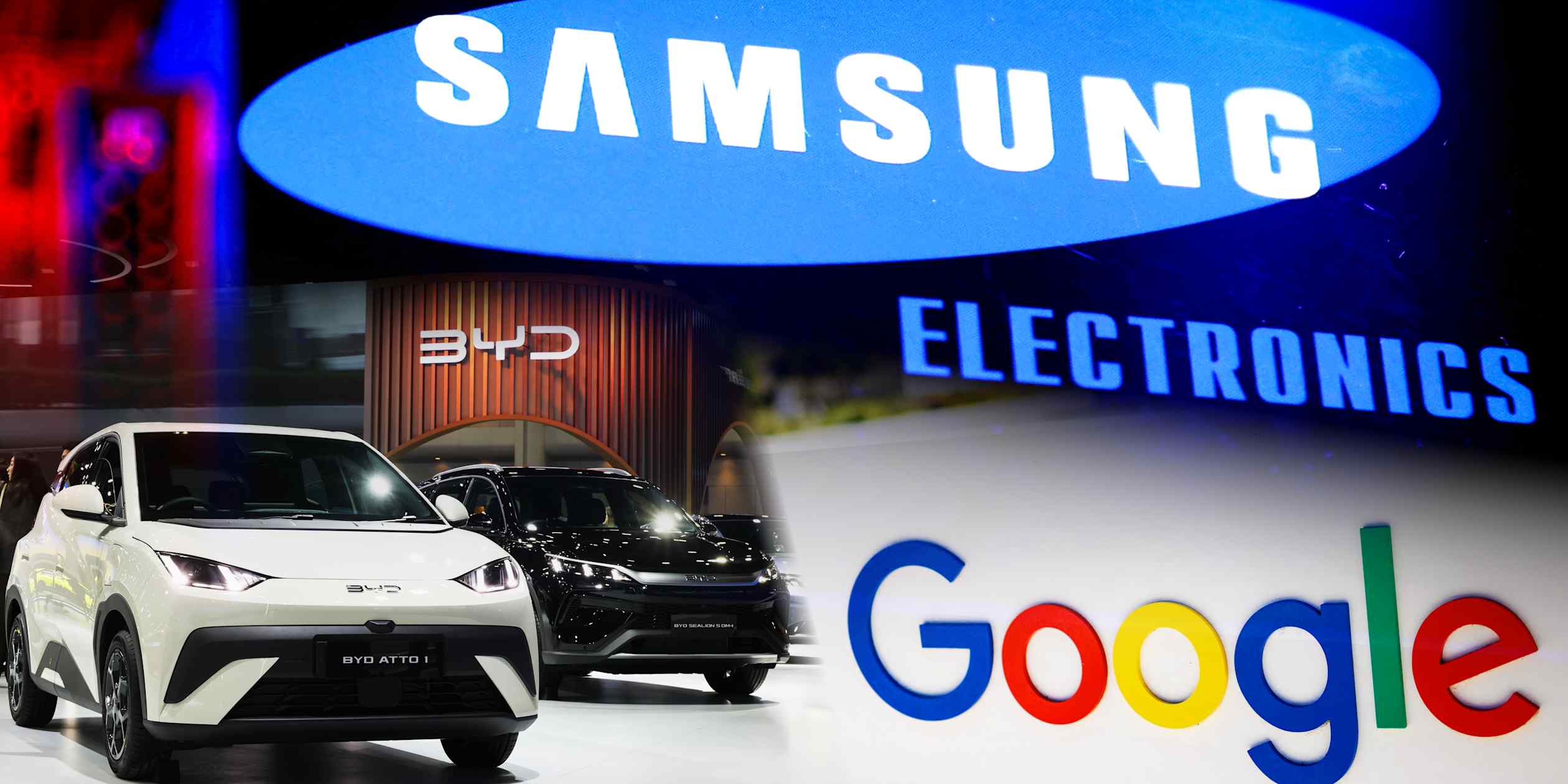
- Major companies like BYD, Google, AMD, and Tesla are moving away from TSMC to Samsung.
- TSMC’s production capacity is strained due to increasing reliance on AI infrastructure.
Rising Demand for AI Chips
The rapid growth of artificial intelligence (AI) is reshaping the semiconductor industry, particularly impacting the production capacities of leading firms. As demand for AI infrastructure skyrockets, companies such as BYD, Google, AMD, and Tesla are increasingly turning to Samsung Electronics for contract chipmaking services. This shift is fueled by the constraints faced by Taiwan Semiconductor Manufacturing Company (TSMC), the current market leader.
TSMC has historically dominated the semiconductor space, particularly in advanced chip production that is crucial for AI applications. However, ongoing surges in AI-driven demand are testing TSMC’s limits, prompting major clients to seek alternative suppliers. Samsung, which is ramping up its chip manufacturing capabilities, has emerged as a viable option for these companies looking to secure their AI infrastructure needs.
Samsung’s foray into the advanced semiconductor production landscape is increasingly viewed as a strategic move to capitalize on the burgeoning AI market. By enhancing its chipmaking services, Samsung aims to attract more clients who require sophisticated processors for AI applications, thereby positioning itself as a strong competitor to TSMC.
The trend highlights a significant shift in the semiconductor industry landscape, where reliance on one dominant player may no longer be sustainable for major tech companies. Firms are now exploring diversification of their supply chains to mitigate risks associated with production bottlenecks. The increasing collaboration with Samsung further signifies a changing paradigm in semiconductor sourcing, where a more distributed approach may become the norm.
In response to this growing demand, Samsung is not only investing heavily in R&D but also expanding its production facilities to enhance its output capabilities. This proactive approach aims to ensure that Samsung meets the needs of its new clientele while also challenging TSMC’s long-standing supremacy in the industry.
The implications of this shift are significant, affecting not only the businesses involved but also the broader semiconductor market dynamics. As competitors emerge and adapt to the rapid changes driven by AI, the landscape is poised for continued evolution, highlighting the importance of flexibility and innovation in meeting client needs.
In summary, the struggle between TSMC and Samsung illustrates a critical moment in the semiconductor industry, where AI’s influence is reshaping supplier relationships. This development underscores the urgent need for established firms to adapt quickly to changing market demands, ensuring they remain competitive in an increasingly AI-centric world.
The content above is a summary. For more details, see the source article.









