
Key Takeaways
- SaSa reported a 10.7% decline in turnover, reaching HK$1,055.1 million for Q3 FY2024.
- While offline sales dropped 7.9%, improvements were noted due to increasing tourist arrivals from Mainland China.
- SaSa scaled back investment in Mainland China, resulting in a 38.7% decline in offline sales in that region.
Sales Update for Q3 FY2024
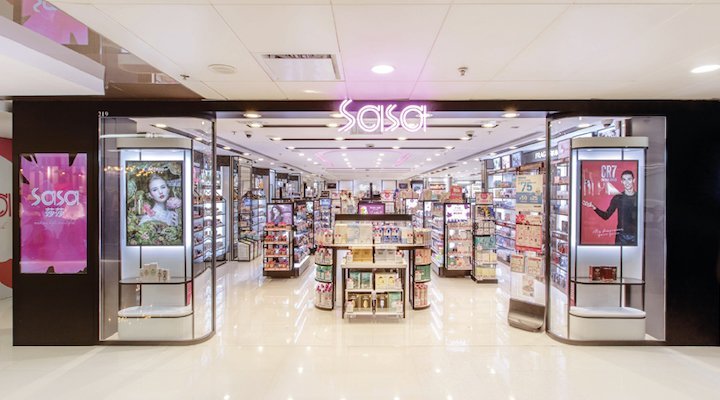
SaSa, the Hong Kong-based beauty retailer, has released its unaudited sales figures for the third quarter of fiscal 2024, reporting a turnover of HK$1,055.1 million. This figure represents a decrease of 10.7% compared to the same period last year.
The report highlights a mixed performance across different sales channels. Offline sales decreased by 7.9% year-on-year; however, this reflects a notable improvement from the steep declines observed during the first half of the fiscal year. A key factor contributing to this recovery has been the uptick in tourist arrivals from Mainland China, which has positively influenced in-store shopping activity.
On the other hand, online sales experienced a more significant decline, falling by 22.3% to HK$179.9 million. This downturn is attributed to the sluggish economic conditions prevalent in Mainland China. Despite this overall decline, SaSa reported that online sales remained stable in Hong Kong and Macau, with e-commerce in Southeast Asia showing a healthy growth of 12.9%.
One strategic decision impacting the sales figures was SaSa’s choice to reduce offline investments in the Mainland China market. This decision culminated in a dramatic 38.7% drop in offline sales within that region. Despite these challenges, SaSa remains optimistic due to the potential benefits of the recent ‘one visa, multiple entries’ policy, introduced in December, which is expected to gradually enhance sales as more tourists return.
Overall, while SaSa is currently navigating through a challenging market environment, there are signs of recovery and strategic adjustments that could help stabilize and potentially improve sales in the near future.
The content above is a summary. For more details, see the source article.