


Key Takeaways
- The first commercial demonstration of Non-Terrestrial Network connectivity in Brazil was completed by Sateliot and CPQD.
- The test confirmed the viability of IoT services using satellites in areas lacking terrestrial cellular coverage.
- Brazil’s untapped IoT market can benefit significantly from this hybrid connectivity model, facilitating digital transformation across key sectors.
Significant Achievement in Connectivity
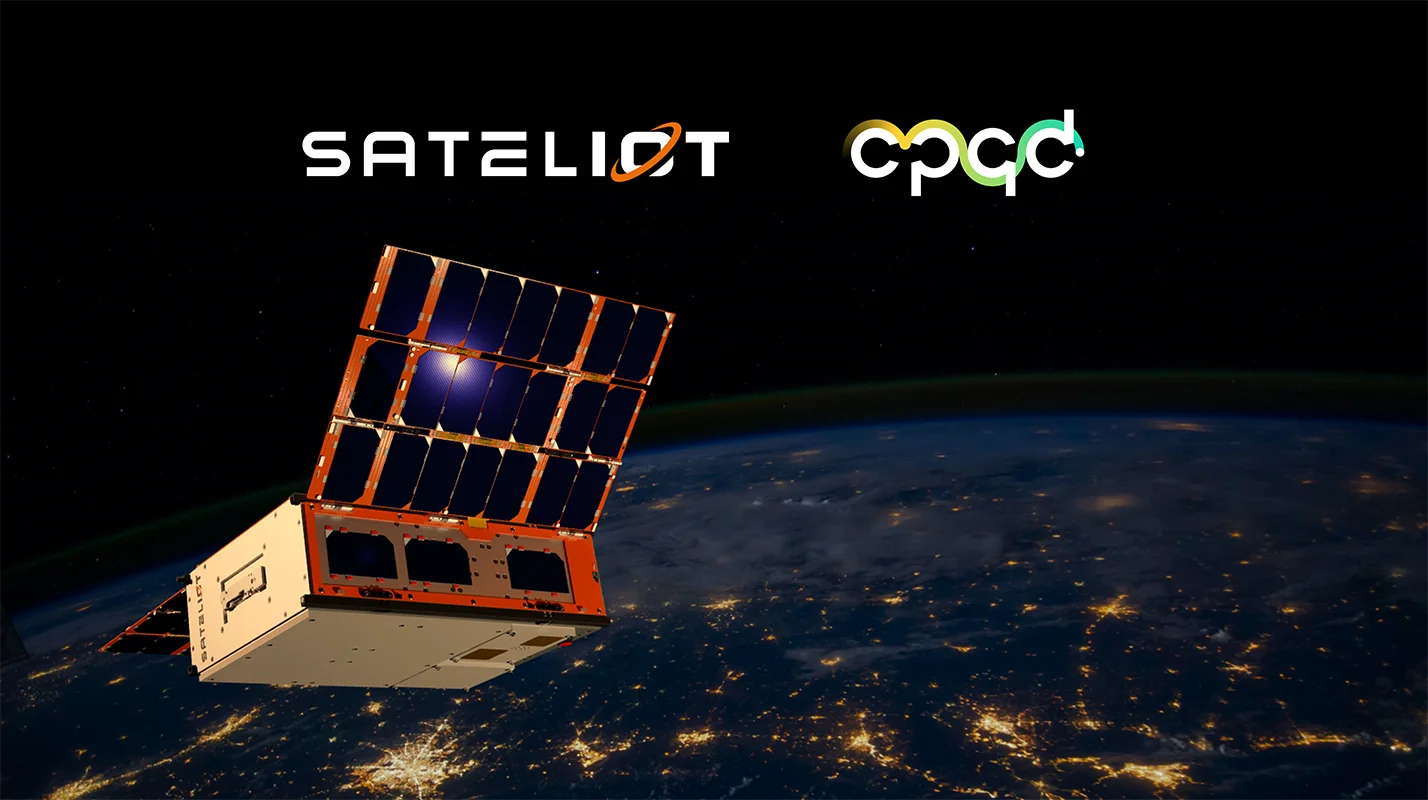
The first commercial demonstration of connectivity on a Non-Terrestrial Network (NTN) has been successfully completed in Brazil, marking a significant milestone for the country’s telecommunications landscape. This achievement stems from a collaboration between European telecommunications company Sateliot and CPQD, a renowned innovation center in Brazil. The recent test illustrates the performance and commercial viability of Internet of Things (IoT) services utilizing satellite technology, particularly in remote areas lacking traditional cellular coverage.
Conducted in a location devoid of cellular service, the demonstration validated Sateliot’s hybrid connectivity model, which aligns with the 3GPP standard. This innovative approach enables standard NB-IoT devices to connect via satellite seamlessly, without any required modifications. By showcasing the potential for seamless roaming between terrestrial and satellite networks, the test represents a crucial advancement toward enhancing IoT adoption in rural Brazilian regions traditionally excluded from connectivity.
Extending IoT Reach
The demonstration is part of the initiative “Conecte o Brasil LEO NTN,” spearheaded by Sateliot to advocate for the certification, testing, and adoption of low Earth orbit satellite technologies within Brazil. This program aims to validate devices, ensure their interoperability, and prepare the ecosystem for IoT services utilizing NTN technology. It invites all IoT solution providers in Brazil to explore the vast potential of this new connectivity framework.
The proof of concept managed by CPQD specifically validated a low-power satellite IoT device intended for cattle tracking in unconnected regions, significantly advancing the digitalization of extensive livestock farming practices in Brazil.
By employing standard protocols, the solution bypasses the necessity for proprietary hardware or convoluted integrations, simplifying the adoption of IoT solutions across industries like agriculture, utilities, logistics, and environmental monitoring.
Market Impact and Future Potential
Brazil stands as one of the largest untapped markets for IoT globally, especially in areas characterized by minimal infrastructure or remote operational environments. While there has been solid growth in cellular IoT, substantial regions of the country still fall outside the domain of conventional networks.
The successful validation of NTN technology highlights its potential to complement existing infrastructure. This advancement can facilitate nationwide coverage and bolster digital transformation initiatives across critical sectors of the Brazilian economy.
“This first commercial demonstration in Brazil is a crucial milestone for Sateliot and for the entire NTN ecosystem,” stated Gianluca Redolfi, Sateliot’s CCO. “We have demonstrated that the technology is effective under real-world conditions and can be deployed utilizing standard devices and existing operator infrastructure. This is vital for expanding IoT connectivity on a global scale.”
Elitelma Souza, CPQD’s solution manager for automation, IoT, and hybrid computing, noted, “With NTN, we have significantly extended the reach of IoT applications, enabling new operating models across various sectors of the economy. Our partnership with Sateliot, through the Conecta Brasil LEO NTN program, shows the synergy between terrestrial and satellite networks in enhancing connectivity and unlocking new opportunities for Brazilian industries.”
The content above is a summary. For more details, see the source article.









