


Key Takeaways
- A second case of New World screwworm was confirmed in a Texas calf, located 5.6 miles from the first detection.
- The USDA is actively responding by releasing sterile flies to disrupt the screwworm lifecycle.
- The screwworm, once eradicated in the U.S., has resurfaced after spreading north from Latin America.
New Detection of New World Screwworm in Texas
The Texas Agriculture Department confirmed a second case of New World screwworm in a one-month-old calf from Zavala County. This site is approximately 5.6 miles from the first case detected earlier in the week. The case emerged after the testing of multiple suspect situations, revealing the persistent threat posed by this parasitic pest.
Dudley Hoskins, Undersecretary for Marketing and Regulatory Programs at the USDA, expressed confidence in the department’s quick response. “Many models projected this pest would reach the United States last year,” he stated. However, proactive measures have delayed its spread until now, when the response capabilities are more robust. He reassured that efforts to control the screwworm have been effective in the past and reiterated the USDA’s commitment to overcoming this re-emergence.
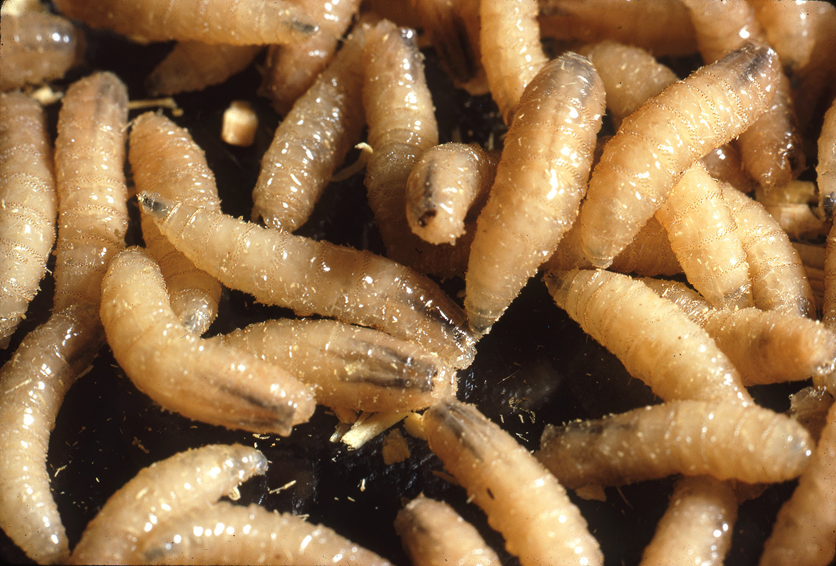
New World screwworm larvae, which are known for burrowing into livestock flesh, were thought to be eradicated in the U.S. by 1966. Despite a brief resurgence in the 1970s, the species was largely kept off American soil until 2016 when an outbreak occurred in the Florida Keys, targeting local deer populations. The pest has remained active in Latin America and has been advancing northward through Central America and Mexico, eventually reaching Texas this week.
In response to the recent detections, the USDA has established a movement control zone and an enhanced sterile insect dispersal area that coincide with the first screwworm case. An Animal and Plant Health Inspection Service “strike team” of veterinarians is currently on-site in Texas. They began releasing sterile screwworm flies on June 4, with a plan to disseminate 2 million sterile flies twice a week to interrupt the pest’s lifecycle. Additionally, 4 million more sterile flies are en route, set to be released through 24 strategically positioned ground release chambers in the affected area.
The USDA’s National Veterinary Services Laboratories dispatched an entomologist to a lab in Kerrville, Texas, to assist in confirming the recent cases. The agency has also established a 20-kilometer zone around the infested area, which will be subjected to strict quarantines and continuous surveillance. Supplies for treatment are being sourced from the National Veterinary Stockpile to ensure a thorough response to this agricultural pest threat.
For ongoing updates, further information can be found through relevant agricultural news sources.
The content above is a summary. For more details, see the source article.









