


Key Takeaways
- Interest in semiconductor-focused high schools in South Korea is rising, with increasing application competition ratios.
- Major companies like Samsung Electronics and SK hynix attract students due to their strong job prospects amid a global AI chip boom.
- Vocational high schools show higher employment rates, making them appealing options for students considering their career paths.
Growing Interest in Semiconductor Education
In South Korea, traditional pathways to success, such as admission to prestigious universities, are being reconsidered by students and parents. The rise of semiconductor-focused high schools is gaining traction, as these institutions promise direct job opportunities with major chip manufacturers.
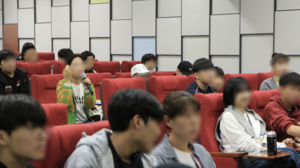
Korea Semiconductor Meister High School, located in Gyeongju, North Gyeongsang Province, has scheduled additional admissions information sessions in response to overwhelming interest. The first session in late May attracted more attendees than the 120 seats available. A school official noted, “More students with strong academic records are showing interest,” and emphasized that both parents and students are increasingly inquiring about career prospects in the semiconductor sector.
For the 2026 academic year, the competition ratio for freshman admissions has risen significantly to 1.67-to-1, up from 0.88-to-1 the previous year, following a recent reorganization focusing on semiconductor education. Similarly, Chungbuk Semiconductor High School, the oldest institution of its kind in the country, reported a competition ratio of 2.26-to-1, an increase from 1.5-to-1 in 2024.
The demand for these specialized programs has been so high that some schools closed registration early and established waiting lists for eager applicants. Experts attribute this trend to the booming semiconductor industry, with firms like Samsung and SK hynix leading the way. Samsung Electronics reached a remarkable market capitalization of 2 quadrillion won ($1.32 trillion) and reported impressive first-quarter profits of 57.2 trillion won. Consequently, discussions surrounding generous bonuses at these companies have further spurred student interest.
Educational professionals highlight that both high-achieving and average students are considering vocational schools as viable pathways to employment. Vocational high schools in South Korea report a commendable job placement rate—over 73 percent of graduates secure jobs—compared to 52.4 percent from other specialized high schools and 38.2 percent from vocational tracks at regular high schools.
Currently, there are 58 vocational high schools in South Korea, including four dedicated to semiconductors. Future expansion plans include the upcoming opening of one more semiconductor school in Seoul in March 2027, and another in Yongin, Gyeonggi Province, anticipated to debut in 2028.
The content above is a summary. For more details, see the source article.









