


Key Takeaways
- 39.9% of domestic companies reported an interest coverage ratio below 100%, the highest since 2013.
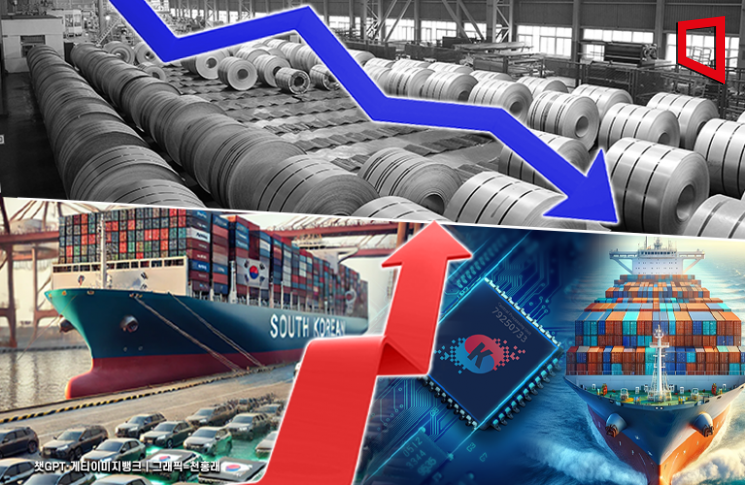
- The profitability indicators improved largely due to rising semiconductor prices, despite slowing sales growth.
- Debt ratios decreased, indicating enhanced stability within companies.
According to the Bank of Korea’s “2025 Corporate Management Analysis (Preliminary Report),” released on June 10, nearly four out of ten domestic companies faced challenges covering interest expenses with their operating profits. Specifically, 39.9% of companies had an interest coverage ratio below 100%, marking a 1.4 percentage point increase from 38.5% the previous year. This statistic, the highest since the Bank began tracking in 2013, suggests significant financial strain for many firms. An interest coverage ratio below 100% implies that profits are insufficient to meet financial obligations.
Furthermore, the percentage of companies with an interest coverage ratio of 0% due to operational losses increased to 28.2%, up from 26.2% the prior year. While high-performing companies with an interest coverage ratio above 500% decreased slightly from 33.1% to 32.6%, the overall interest coverage ratio for all surveyed entities rose from 305.8% to 369.8%, helped by improvements in operating profit margins.
The analysis, which surveyed 34,456 companies excluding financial institutions, revealed a slowdown in growth potential. The sales growth rate is projected to decline from 4.2% in 2024 to 2.5% in 2025. Manufacturing sectors, particularly in petrochemicals, saw diminished growth due to global oversupply, while the non-manufacturing sector also faced a decline, especially in transportation.
Large companies reported a fall in growth rates from 4.4% to 2.8%, with small and medium-sized enterprises experiencing a sharper drop from 3.2% to 1.2%. On the positive side, total asset growth slightly increased, from 6.5% to 6.7%. The operating profit margin per sales improved from 5.4% to 6.2%, with substantial gains in the electronics and telecommunications sectors driven by high-value product sales and rising semiconductor prices.
Lee Mijoo, the head of the Corporate Statistics Team at the Bank of Korea, emphasized that although growth potential has diminished, profitability indicators have strengthened. She noted that the semiconductor price hike was a significant factor contributing to improved profits. Excluding major players like Samsung Electronics and SK hynix, the operating profit margin sits at 4.9%. Lee also commented on the sales growth rate for 2024, asserting that even a decrease reflects high overall levels of performance.
Looking ahead, the operating profit margin, particularly within electronics and semiconductors, is expected to bolster overall corporate indicators this year. However, continuous assessment of demand will be crucial as various market factors evolve.
In terms of financial stability, the debt ratio counterintuitively fell from 103.4% to 98.3%, along with a decline in reliance on borrowings from 28.4% to 27.3% over the same period, signaling enhanced fiscal health across many corporations.
The content above is a summary. For more details, see the source article.









