


Key Takeaways
- The Senate approved a stopgap measure to fund the government until December 11.
- This legislative move seeks to prevent a government shutdown before the midterm elections.
- The spending bill also postpones a ban on certain hemp-related products for an additional month.
Senate Approves Short-Term Funding to Avert Shutdown
The Senate has passed a temporary spending bill designed to keep the government operational until December 11. This action is particularly crucial as it aims to avoid a government shutdown, a situation that could arise just weeks before the pivotal midterm elections. Lawmakers are acutely aware of the political ramifications that a shutdown could engender, potentially influencing voter sentiment and turnout.
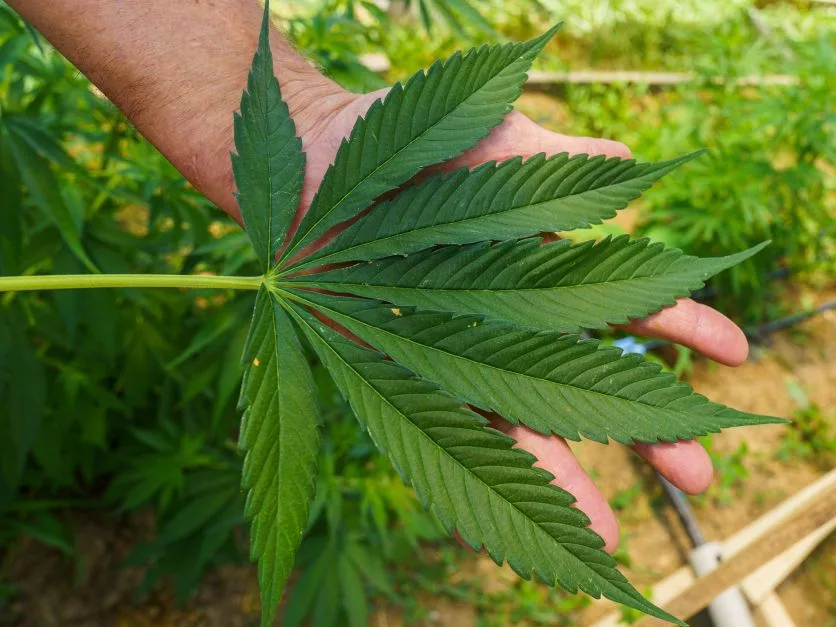
In addition to maintaining government funding, the bill includes provisions that delay enforcement of a ban on specific hemp-related products. This postponement provides stakeholders in the hemp industry further time to adapt to legislative changes. The decision reflects ongoing discussions about the regulation of hemp and its byproducts, which have gained popularity and acceptance in recent years.
This stopgap measure underscores the urgency for lawmakers to arrive at a comprehensive agreement on funding priorities. With the elections looming large, there is a general consensus that bipartisan collaboration is essential to navigate the complexities of budgetary legislation. The approach taken in this scenario exemplifies a moment of political pragmatism, enabling the government to function while addressing key industry concerns.
As December 11 approaches, further negotiations will likely center on more extensive fiscal policies and plans that carry long-term implications for governance. The outcome of these discussions could shape not just immediate operational funding, but also set precedents for future legislative efforts in a divided Congress. The current atmosphere is expectant, as members of both parties remain vigilant regarding the political context that underpins these crucial funding decisions.
The content above is a summary. For more details, see the source article.









