


Key Takeaways
- Juice has launched fruit-infused vaginal melts, prompting debate over their necessity and safety.
- Industry experts criticize the marketing approach, labeling it as a repetition of outdated beauty standards.
- Regulatory gaps in product classification pose safety concerns for vaginal health products.
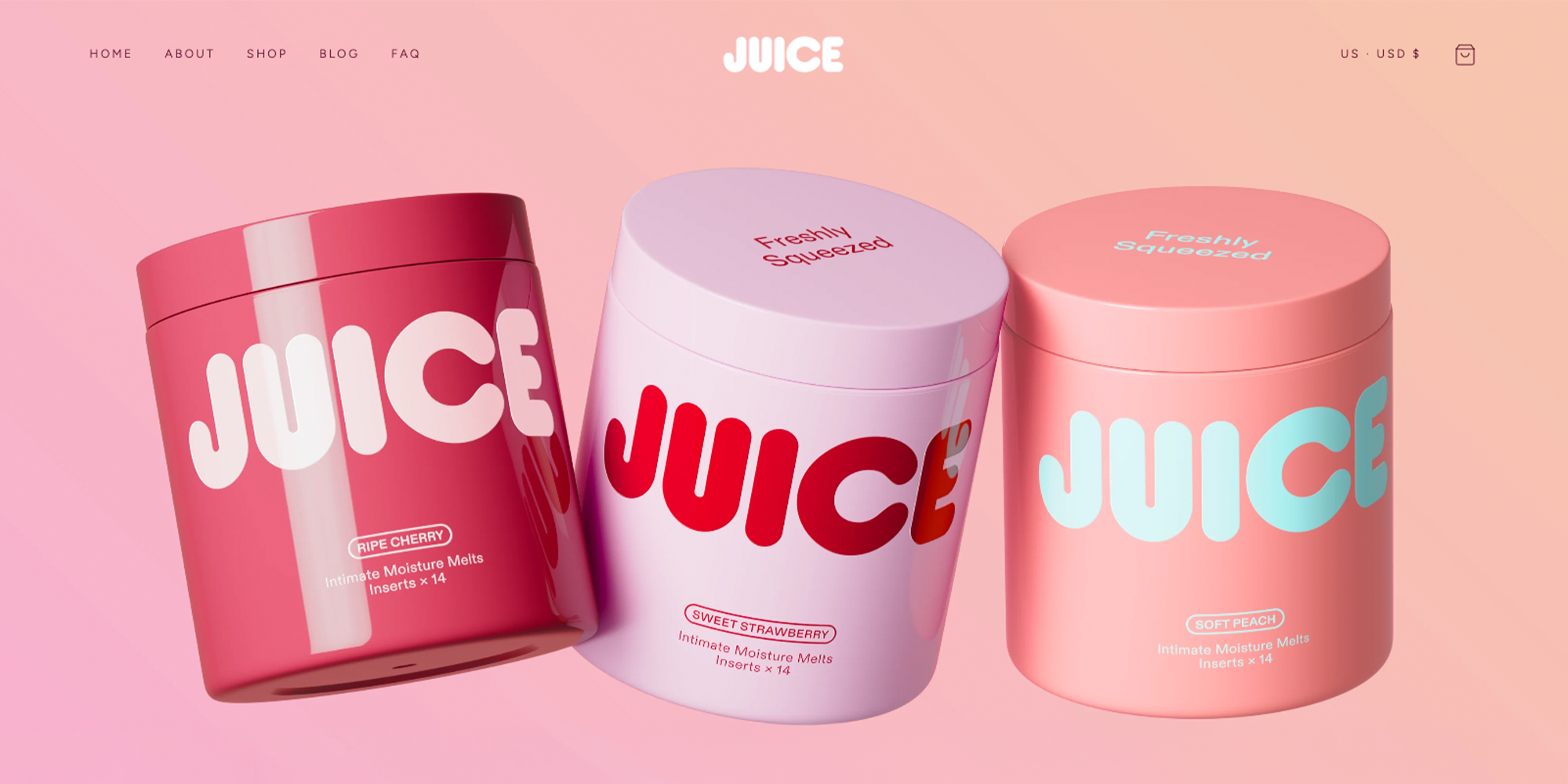
Juice, a new British intimate beauty brand, has introduced fruit-infused vaginal melts marketed as “beauty products” for the vagina. These vegan melts come in three varieties—Ripe Cherry, Soft Peach, and Sweet Strawberry—and are marketed for their hydrating properties and pleasant scents. Each jar costs $62 and contains 14 melts, designed to be inserted like tampons. The brand quickly gained traction, reportedly achieving over 3,000 orders in its first month, particularly among women seeking alternatives to traditional wellness products.
However, many women’s wellness advocates strongly oppose the idea of needing a beauty product for vaginal care. Lizzie Staiano, marketing head of Totm, criticized Juice’s approach as reminiscent of outdated, shame-based marketing tactics. Katy Cottam, founder of Luna Daily, echoed this sentiment, arguing that the product simply repackages old notions of femininity disguised as indulgence. She stated, “They’re the same old feminine hygiene playbook repackaged as indulgence; same shame, prettier jar.”
Leading gynecologists reaffirmed that vaginas are self-cleaning organs and generally do not require additional products for freshness. Despite this, some products, like probiotic gummies marketed for odor management, have found a niche market. Lindsay Wynn, founder of Momotaro Apotheca, expressed concerns over Juice’s ingredients, suggesting that fruit extracts and sweeteners could disrupt the vaginal microbiome. She described the product as potentially harmful, emphasizing that women should not be led to believe their vaginas need to “taste like fruit.”
Vaginal suppositories, which have been gaining popularity for various health purposes, typically function effectively for therapeutic treatments. Brands like Foria and Joylux have released products aimed at menstrual relief and internal hydration. Nonetheless, Wynn pointed out that positioning products like Juice’s as solutions to odor only reinforces negative notions surrounding feminine care, a theme prevalent in historical marketing strategies.
Catherine Magee from Playground provided a more tempered view, acknowledging that Juice’s ingredients could help moisturize but cautioning against using them as a solution for odor. She indicated that while the product might be appealing for some, it lacks the preventive qualities of deodorants.
The lack of regulatory clarity for vaginal products further complicates matters. While the FDA requires extensive testing for products classified as medical devices, many brands opt to market their suppositories as cosmetics to bypass this lengthy process. Cottam highlighted the risks associated with this approach, urging stricter regulations to ensure safety for users. She maintained that any product intended for internal use should undergo rigorous testing to eliminate safety concerns.
The ongoing debate surrounding Juice’s vaginal melts illustrates the complexities of balancing consumer choice and health safety within the wellness industry. Advocates call for more conscientious messaging and regulation to protect women’s health and remove the stigma and outdated notions surrounding vaginal care. The conversation continues as companies navigate the fine line between marketing appeal and genuine wellness benefits.
The content above is a summary. For more details, see the source article.









