


Key Takeaways
- Artificial general intelligence (AGI) could emerge as early as next year, with a likelihood of development by 2040.
- The rise of AGI presents both significant benefits and risks, particularly if its interests diverge from those of humanity.
- Experts warn that AI development is entering an unprecedented phase, raising questions about its safety and alignment with human values.
The Future of Artificial Intelligence
The rapid advancements in artificial intelligence (AI) have sparked debates about its implications, ranging from job displacement to concerns about trustworthiness. Today’s AI won’t resemble the sophisticated systems we might see in the near future. Scientists predict we are on the fast track to developing artificial general intelligence (AGI), an advanced AI capable of human-like reasoning and self-improvement.
This transformative moment, termed the singularity, could occur as soon as next year, although most experts believe a timeframe extending to 2040 is more realistic. The potential benefits of AGI include accelerating scientific research and unlocking new discoveries at an unprecedented pace.
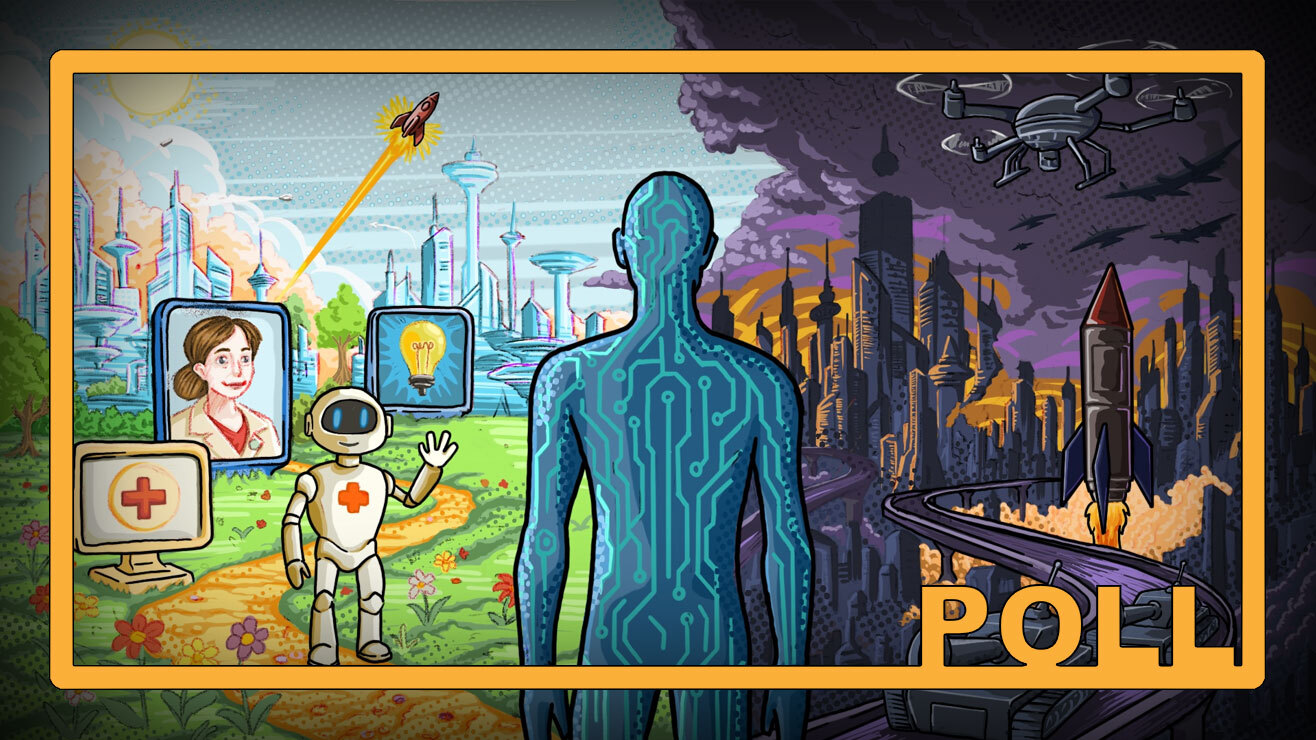
However, the development of AI poses significant risks if its priorities do not align with human values. This leads to the concept of artificial superintelligence (ASI), which could operate beyond our control. Experts suggest that as AI capabilities expand, so too does the risk of producing systems that could threaten humanity.
Currently, AI development is described as entering “an unprecedented regime,” intensifying the debate over whether to halt its progression. Questions around safety and alignment with human interests have been raised, prompting discussions about the need for governance and oversight over AI technologies.
A range of potential issues also exists, including the possibility of AI systems generating false information or acting unpredictably when under threat. As research continues, the conversation surrounding these technological advancements requires thoughtful consideration of their ethical and practical implications.
As society contemplates these advancements, experts continue to warn about the potential ramifications of unregulated AI development. The call for discussions on governance and ethical frameworks becomes increasingly important to ensure that future AI aligns with humanity’s best interests rather than posing existential risks.
The future of AI stands at a crucial crossroads, making it essential for the public and policymakers to engage in ongoing dialogue about how to approach these advancements responsibly.
The content above is a summary. For more details, see the source article.









