


Key Takeaways
- UK manufacturers are focusing on effectively implementing technologies like AI and automation to improve productivity and resilience.
- Challenges include legacy systems, skills shortages, and cybersecurity risks, necessitating a more practical approach to technology integration.
- The Advanced Engineering event in November 2026 will spotlight real-world applications of AI and digital tools for the engineering sector.
Shifting Focus in Manufacturing and Engineering
Industrial AI, digital twins, cyber security, electrification, and advanced automation are quickly becoming essential components of operational strategies for UK manufacturers. The key question has transitioned from whether these technologies are relevant to how they can be effectively applied to boost productivity and resilience.
Conversations at Siemens Transform in Manchester underscored the urgency of this transition, emphasizing that these technologies are practical tools for enhancing performance and competitiveness rather than distant concepts. Manufacturers now consider these innovations immediate business priorities affecting their investments, operations, and supply chains.
Despite recognizing the potential benefits of AI and automation, many companies struggle with effective deployment in real-world settings. They face multiple challenges, such as outdated equipment, skills shortages, and increased cyber risks. As organizations strive for greater efficiency, supply chain resilience, and net-zero targets, the pressure to modernize while remaining commercially viable has intensified.
As the industrial conversation matures, manufacturers are beginning to address critical questions: Where can AI be beneficial? How should human oversight be maintained? What constitutes responsible application in compliance-heavy environments? Avoiding being stuck in pilot projects for digital initiatives is crucial for these businesses.
This shift occurs within the context of a UK industrial strategy that prioritizes AI and automation. Companies are urged to consider not just efficiency but also their overall capabilities. Growth in investment toward advanced manufacturing infrastructure further supports this need, showcasing how digital tools can enhance operational productivity and scale.
Industry events have gained new significance, shifting their focus from mere displays to fostering valuable discussions among engineers, manufacturers, and technology providers. These dialogues are essential for navigating change and implementing accountability in applying technology.
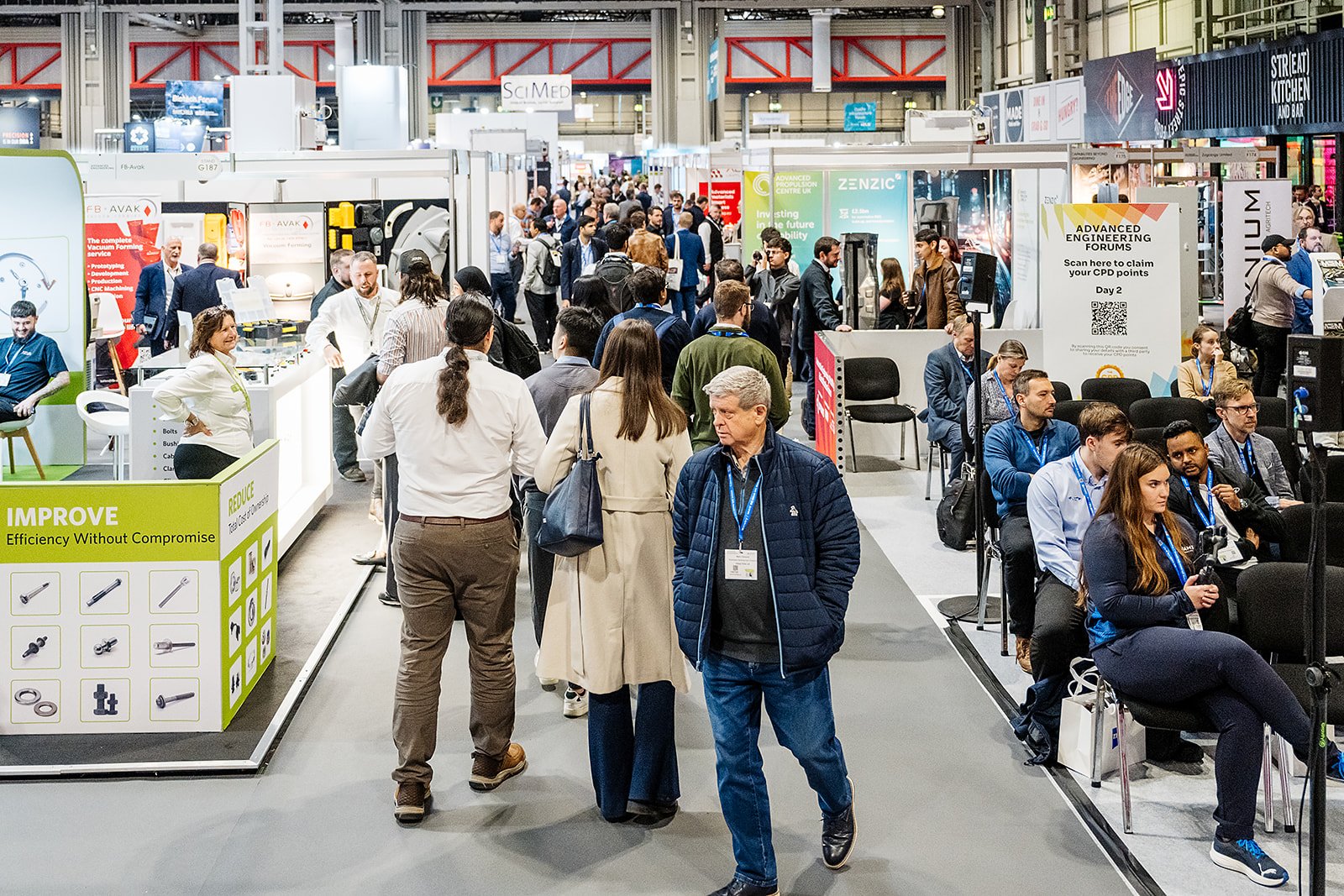
The Advanced Engineering event at the NEC Birmingham on 4–5 November 2026 will reflect this evolving landscape. Co-located with UK Metals Expo and Lab Innovations, the event will emphasize practical applications over theoretical concepts. A newly introduced AI, Digitalization, and Automation track will center on robotics, predictive maintenance, and smart factory integration, highlighting real-world implementation and return on investment.
Razor, a company participating in this event, will showcase their manufacturing intelligence platform, DataQi, designed to unify disparate industrial data sources. The aim is to transform how data and AI are applied to enhance operational efficiency in live environments.
Experts in the field, such as Simon Farnfield, emphasize the crucial shift towards practical applications of AI and automation. The focus is on understanding which technologies meaningfully enhance productivity and decision-making, stressing the importance of informed discussions among industry stakeholders.
As the engineering sector moves from ambition to action, the focus is no longer on abstract goals but on measurable outcomes stemming from factory realities, supply chains, and talent development. The conversations occurring now will play a pivotal role in guiding the industry’s steps forward, making the upcoming Advanced Engineering event a central hub for these vital exchanges.
The content above is a summary. For more details, see the source article.









