


Key Takeaways
- The concept of smart cities revolves around using digital technology to enhance residents’ quality of life.
- Challenges in becoming smart include high costs and the complexity of updating old urban infrastructures.
- Successful smart city initiatives often require political will and financial investment, with notable examples in Switzerland, the UAE, and China.
What Defines a Smart City?
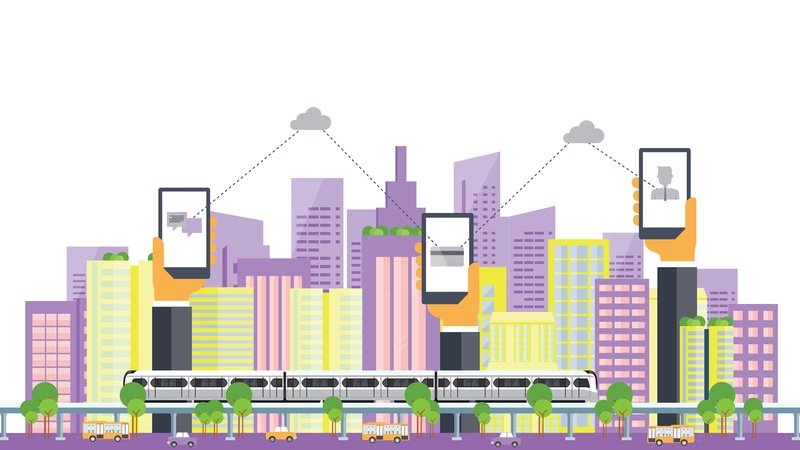
A smart city leverages digital technology to improve the living conditions of its residents. While efficient transport is often highlighted, smart city concepts encompass a broad range of areas including health services, urban planning, education, waste management, crime prevention, and environmental quality.
Barriers to Smart City Development
Transforming existing cities into smart ones is neither simple nor inexpensive. Many cities possess histories spanning centuries, making technological updates a considerable challenge. The transition to a smart city is typically a gradual process, with transport systems being among the initial focus areas.
The Role of Technology in Smart Cities
At the heart of any smart city lies data collection through various sensors. This foundational technology facilitates applications that can provide real-time information about traffic conditions, public transport schedules, and other urban services. However, political commitment and funding are essential to initiate these changes.
Funding Smart City Initiatives
The prevalence of smart city projects often correlates with the financial capability of cities. Regions like Switzerland, the UAE, and China invest heavily in such initiatives, highlighting that substantial public funds are crucial. While some may view these projects skeptically as political vanity, the satisfaction expressed by citizens suggests that a smart city aligns with public interest.
Public Perception and Long-term Benefits
For smart city technologies to gain acceptance, residents need to perceive these investments as worthwhile. The high costs associated with developing new infrastructure require a long-term perspective from citizens, as the benefits—ranging from improved connectivity to enhanced public services—are aimed at fostering a cleaner, more efficient urban environment. The ultimate goal is to facilitate a convenient lifestyle, which may also include modern conveniences like food delivery services.
The content above is a summary. For more details, see the source article.









