


Key Takeaways
- Smart city implementation can enhance quality of life, reduce environmental hazards, and combat climate change.
- Urbanization is projected to reach 68% of the global population by 2050, making smart city strategies essential.
- Challenges such as transportation issues and social inequality hinder the development of smart cities.
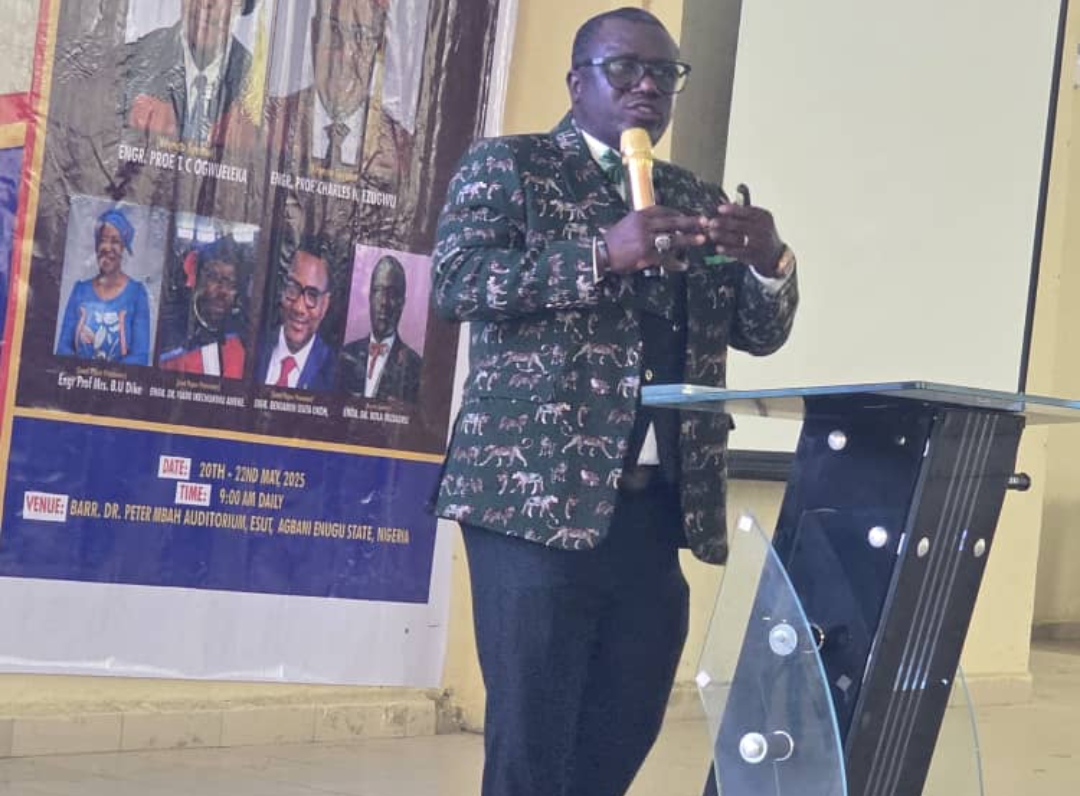
Engr. Dr. Bola Mudasiru, Deputy National Chairman of the Nigeria Institution of Highway and Transportation Engineers (NIHTE), emphasized the benefits of smart city implementation during his keynote speech at the inaugural International Conference on Innovations in Civil Engineering 2025, hosted by the Enugu State University of Science and Technology (ESUT).
His presentation focused on the theme “Innovative Smart City Solutions for Sustainable Urban Development: Achieving the SDGs through Integrated Infrastructure and Technology.” Dr. Mudasiru highlighted that sustainable engineering has transitioned from an optional consideration to a necessity for urban transformation. He referenced the United Nations’ projection that 68 percent of the global population will reside in cities by 2050, underscoring the importance of smart city strategies to address critical issues like CO₂ emissions, mobility, and energy management.
As a member of the International Relations Committee and a recipient of the Nigerian Society of Engineers’ Presidential Merit Award, he stressed the importance of sustainable engineering and innovation in curbing resource depletion, promoting environmental stewardship, and fostering social equity and economic prosperity. Dr. Mudasiru described the primary objectives of smart cities as enhancing infrastructure, ensuring a clean environment, and enhancing the quality of life through smart solutions.
He articulated that integrating infrastructure and technology is essential for sustainable urban development and achieving the United Nations Sustainable Development Goals (SDGs), particularly SDG 11, which focuses on sustainable cities and communities. The advantages of implementing smart city solutions include improved livability and climate resilience, contributing to a smarter, more prosperous future.
Dr. Mudasiru also addressed various challenges impeding the establishment of smart cities, including poor transportation systems, inadequate resource management, environmental degradation, social inequality, and ineffective governance. He identified key characteristics of smart cities, such as intelligent infrastructure, a focus on sustainability, operational integration, and citizen engagement.
In recognition of his contributions, Engr. Dr. Mudasiru received the Professional Excellence Service Award from ESUT for his dedication to exceptional service in his field. He expressed gratitude to the ESUT management and fellow engineers who are committed to advancing Nigeria’s sustainable development for the safety of both lives and the planet.
The content above is a summary. For more details, see the source article.









