


Key Takeaways
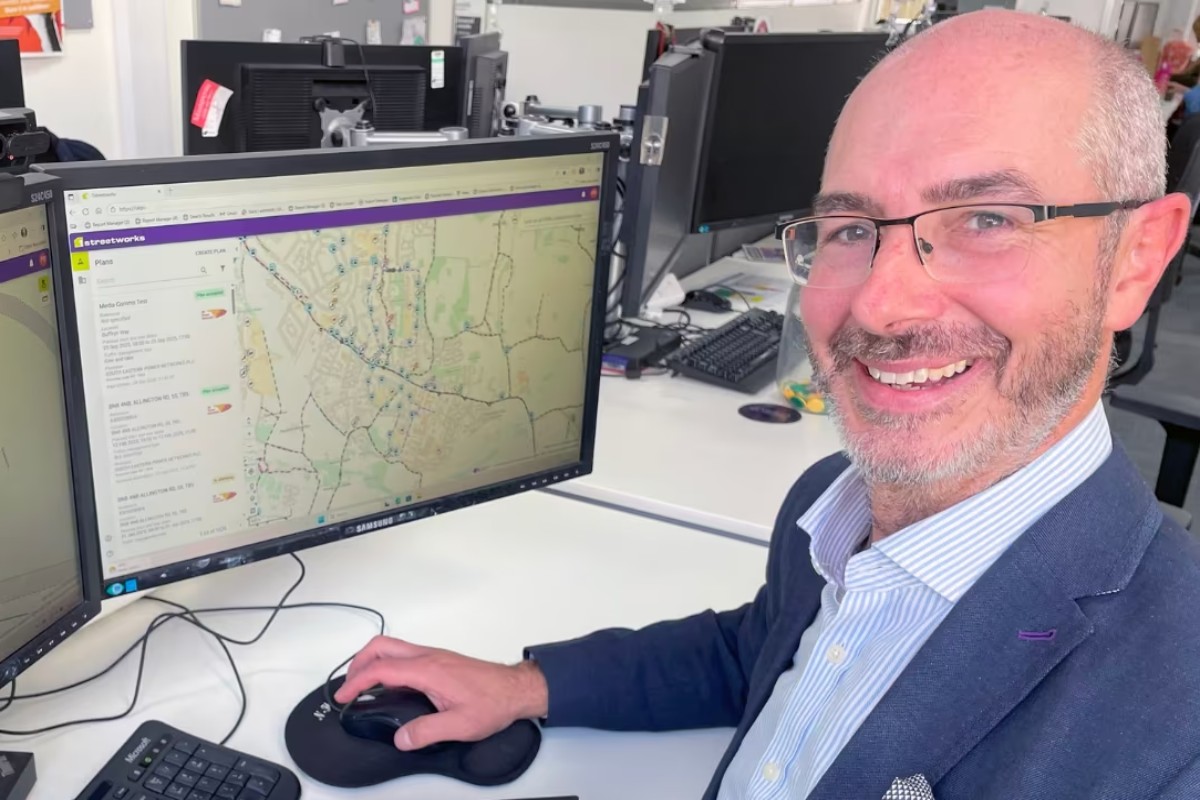
- A desktop trial using the 1Streetworks tool could have prevented 39% of 50 road closure requests.
- UK Power Networks is implementing 1Streetworks to enhance planning for infrastructure projects.
- The tool aims to promote smarter, faster, and less disruptive roadworks.
Innovative Tool to Improve Roadwork Efficiency
A recent desktop trial demonstrated that the 1Streetworks tool could have significantly reduced the number of road closures in the UK. By retrospectively applying the tool to 50 road closure requests, findings indicated that 39% of these closures could have been avoided, showcasing the tool’s potential impact on road planning and management.
UK Power Networks, recognizing the advantages of the 1Streetworks tool, is set to deploy it across various teams responsible for infrastructure planning. This initiative aims to optimize the planning process for roadworks, making it smarter and more efficient. As urban areas continue to grow, minimizing disruptions caused by roadworks has become a priority for municipal authorities and utility companies alike.
The implementation of 1Streetworks is expected to facilitate quicker project delivery while reducing the inconvenience to local residents and businesses. The tool’s data-driven approach provides essential insights that help planners make informed decisions about road usage and closures. By leveraging this technology, UK Power Networks aims to enhance the overall effectiveness of roadworks management.
In a landscape where infrastructure developments are often met with public frustration, the adoption of innovative planning tools like 1Streetworks represents a proactive step toward improved project execution. As utility companies strive to minimize disruptions, the focus will remain on delivering essential infrastructure in a manner that balances efficiency and community impact.
Overall, the transition toward utilizing advanced tools such as 1Streetworks could redefine how roadworks are planned and executed across the UK, leading to more strategic and less intrusive infrastructure development in the long run.
The content above is a summary. For more details, see the source article.









