


Key Takeaways
- Smart streetlights can reduce energy demand and stabilize power grids during peak usage periods.
- Paradox Engineering’s solutions enable real-time monitoring and control, contributing to energy efficiency and reduced downtime costs.
- Interoperability and cybersecurity are vital for effective smart lighting implementation in cities.
The Role of Smart Streetlights in Energy Management
Smart streetlights play a crucial role in urban energy management, particularly during summer months when electricity demand surges. According to The Climate Group, street lighting consumes up to 40 percent of municipal electricity. By utilizing smart lighting solutions, cities can dynamically adjust streetlight brightness, effectively decreasing energy consumption and easing the strain on power grids during peak times.
Carlo Bernocco, Product Portfolio Manager at Paradox Engineering, emphasizes the benefits of connected streetlights, which can be monitored and controlled remotely. This real-time capability helps mitigate power outages, which can cost cities millions in lost productivity and business disruption.
Paradox Engineering’s smart lighting systems integrate seamlessly with various smart city applications, providing a single wireless network for everything from streetlights to waste management. Their Smart Urban Network utilizes an interoperable framework that supports the comprehensive digital transformation of city infrastructure.
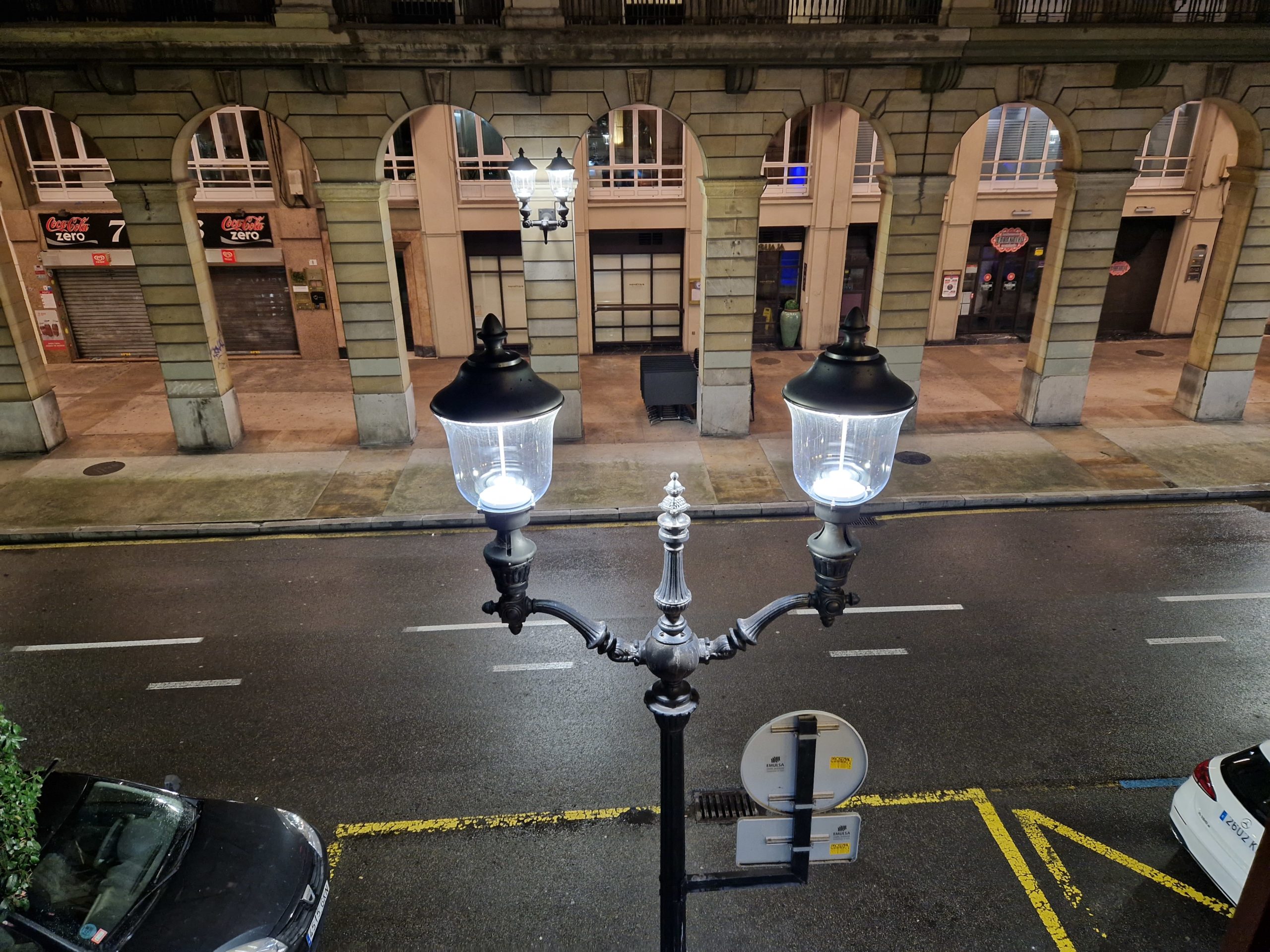
With around 140,000 nodes and sensors deployed globally—from Switzerland to Chile—Paradox Engineering’s technology aids cities in reaching their smart city objectives. An illustrative example is Gijón, Spain, which began upgrading its streetlights in 2016 and has since expanded its smart lighting network to improve energy management, lighting efficiency, and air quality monitoring.
Data is vital for enhancing energy efficiency. Transforming streetlights to energy-efficient LED bulbs can yield immediate savings of up to 50 percent. When incorporated into a smart network, cities could potentially save an additional 25 to 30 percent, allowing for remote management and optimized power savings. These data insights enable municipalities to utilize dimming, scheduling, and on-off control without sacrificing safety or liveability.
As cities brace for hotter summers and increased energy demands, municipal leaders must prioritize interoperability and cybersecurity when planning smart lighting projects. Proprietary systems can hinder the integration of third-party devices, making standard-based technologies essential for sustainable infrastructure investments. Moreover, with the proliferation of IoT devices, implementing a robust cybersecurity framework is crucial to protect against vulnerabilities and potential cyber threats.
These advancements signal a transformative approach to urban management, providing cities with the tools to navigate future energy challenges effectively.
The content above is a summary. For more details, see the source article.









