


Key Takeaways
- Sonya Dakar operated outside her aesthetician license, performing medical treatments not permitted in California.
- The case highlights the need for better enforcement of regulations within the aesthetics industry.
- Consumers should be educated on identifying compliant medical spas to ensure safe and proper treatment.
Background of the Sonya Dakar Case
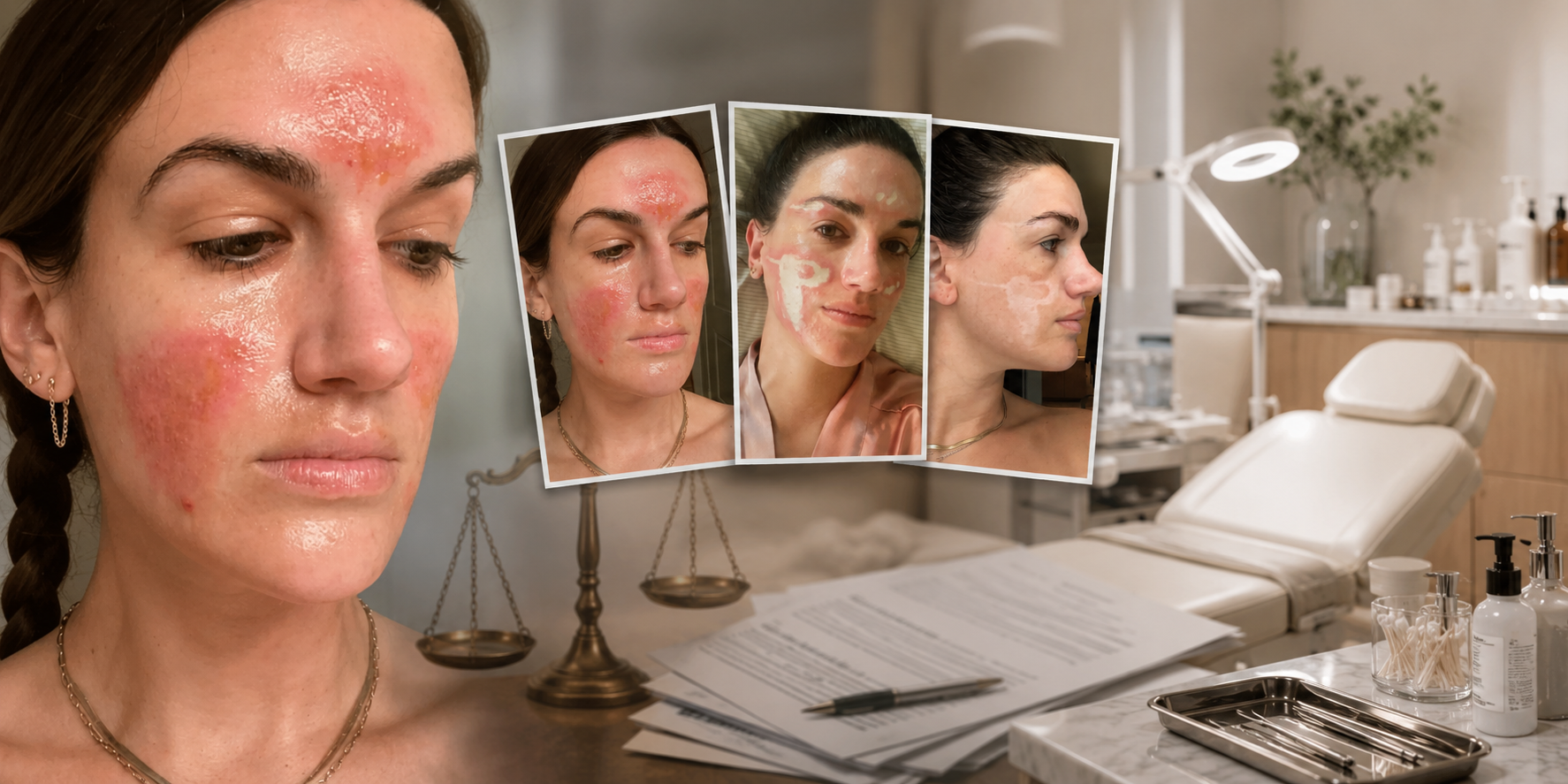
The Sonya Dakar case serves as a cautionary tale for the aesthetics industry, illustrating the dangers of unlicensed practitioners. Sonya Dakar, who labeled herself a “facialist,” conducted medical-grade procedures such as chemical peels and microneedling, which are prohibited for aestheticians in California. This situation should not be viewed as reflective of the entire medical spa industry but rather as an isolated incident.
Regulatory Context
California’s regulations clearly delineate the practice scope for aestheticians, explicitly excluding medical treatments. The oversight and management of medical spas must include licensed professionals who can address potential complications. The case of Dakar should not undermine the reputation of compliant medical spas, which operate within the legal framework to ensure patient safety and adherence to medical standards.
Concerns About Rogue Practitioners
Despite the troubling nature of Victoria Nelson’s experience, which underlines the risks posed by unregulated actions, it is crucial to recognize that these instances are the result of individuals evading established regulations rather than an indictment of the entire med spa sector. The persistence of rogue practitioners demonstrates a failure in enforcement that allows these activities to occur unchecked over long periods.
Importance of Consumer Education
A critical takeaway from this incident is the necessity for public education on what constitutes a safe and compliant medical spa. Patients are encouraged to inquire about the credentials of the individual performing their treatments, the supervising medical professional, the products used, and the procedures for handling possible complications. Responsible medical spas should support regulatory efforts that distinguish legitimate practices from those operated unlawfully.
Ultimately, the focus must shift toward increased awareness and proactive measures that ensure consumer safety and the integrity of the aesthetics industry. By promoting education and compliance, the industry can safeguard patients against the risks posed by unqualified providers.
The content above is a summary. For more details, see the source article.









