Key Takeaways
- Sound editors Ethan Van der Ryn and Erik Aadahl crafted a unique alien language for the character Rocky in “Project Hail Mary.”
- The duo used a blend of organic instruments and animal sounds to create a convincing audio identity for the Eridian character.
- Collaboration with author Andy Weir focused on balancing scientific realism with an engaging cinematic soundscape.
The Challenge of Alien Sounds
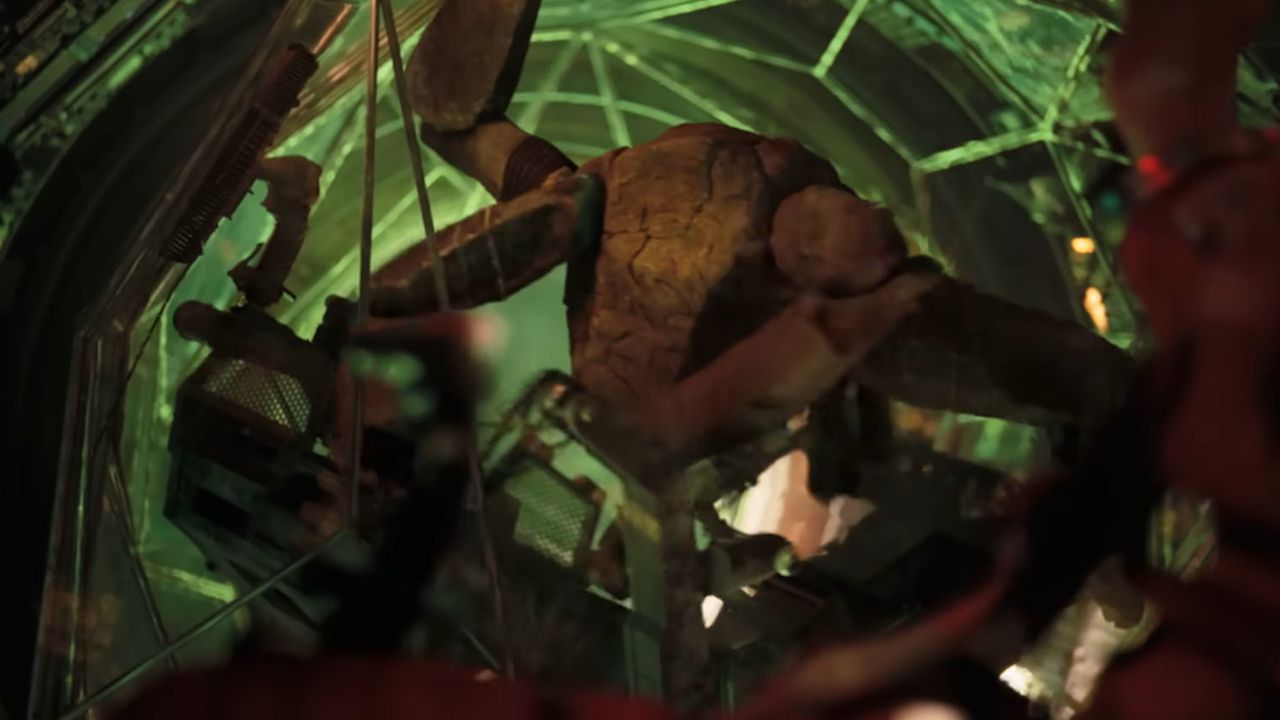
The task of establishing what aliens might sound like fell to Oscar-winning sound editors Ethan Van der Ryn and Erik Aadahl, involved with the film adaptation of Andy Weir’s “Project Hail Mary.” Their primary challenge was creating a believable non-human language for the alien character Rocky, an Eridian creature with a unique auditory identity. This involved crafting hundreds of sounds to enrich the film’s overall soundscape.
Van der Ryn noted a key discussion with Weir about sound in space, where the author expressed an openness to incorporating sound creatively, regardless of scientific accuracy. This flexibility allowed the sound team to explore dramatic flourishes while maintaining fidelity to the story’s themes. Aadahl, thrilled to work with Weir, highlighted the commitment to grounding their sound design in scientific principles.
The team’s process was both iterative and experimental. They began by focusing on crucial scenes, particularly Rocky’s interactions with the astronaut, Ryland Grace, portrayed by Ryan Gosling. To effectively portray Rocky’s various emotional states, they employed a wide pitch range, from low, whale-like tones to higher, more excited pitches.
The editors aimed for a blend of musical and visceral elements, refining Rocky’s voice until it resonated with the character’s essence. They drew inspiration from real-world animals, including humpback whales and various bird species, to develop a sound that felt organic and alive. Instruments such as the bass clarinet and ocarina were used for their wide tonal range and expressive qualities.
In one memorable moment, project director Chris Miller contributed by using a jug filled with water to generate varying pitches, which informed Rocky’s bass notes. This highlights the collaborative and inventive spirit underpinning the sound design process, emphasizing a commitment to finding what truly conveys Rocky’s character.
With a plethora of possibilities, the sound designers faced the challenge of balancing creativity with character authenticity. They meticulously layered sounds to create a complex, multi-dimensional voice for Rocky, each iteration bringing them closer to capturing what they labeled as the “sonic soul” of the character.
Ultimately, the sound design in “Project Hail Mary” goes beyond mere auditory cues. It immerses the audience in a rich, textured environment that complements the film’s narrative while honoring the essence of the source material. The editors expressed satisfaction in how their work resonated with audiences, marking a successful blend of art and science in the realm of sound design. “Project Hail Mary” is currently in theaters, inviting viewers to experience this innovative auditory journey.
The content above is a summary. For more details, see the source article.