


Key Takeaways
- South Korea aims to strengthen its defense industry by integrating smaller companies into global supply chains through offset agreements.
- A recent event facilitated one-on-one meetings between South Korean firms and major international defense contractors, fostering potential long-term partnerships.
- The government is prioritizing sustainable manufacturing capabilities in advanced sectors to enhance the competitiveness of local companies in the defense market.
Strengthening South Korea’s Defense Industry
South Korea is focusing on expanding its defense industry beyond merely exporting complete weapon systems. The government is taking steps to secure long-term positions for smaller domestic companies within the supply chains of major global defense contractors, using offset agreements as a pivotal strategy. These agreements require foreign suppliers to provide benefits such as technology transfers or local purchases when South Korea imports weapons.
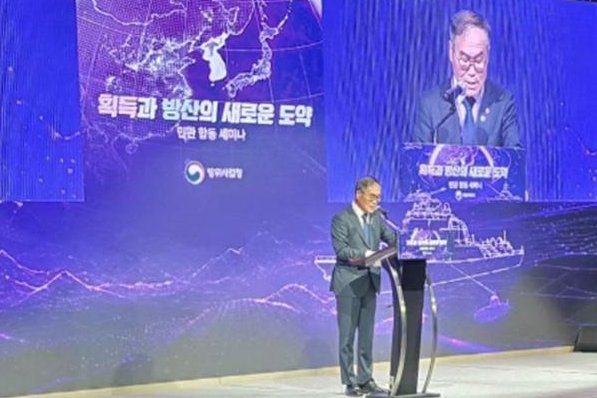
The Defense Acquisition Program Administration (DAPA) recently organized the 2026 Defense Offset Industry Cooperation Event in Seoul, aiming to facilitate the entry of South Korean companies into international defense supply chains. This two-day event brought together twelve international defense contractors, including major players like Boeing and Lockheed Martin, alongside 36 local small and medium-sized enterprises (SMEs).
During the event, participants engaged in one-on-one meetings to discuss potential partnerships and cooperation in offset exports. The event was associated with the Defense Global Supply Chain Forum, which addressed the restructuring and diversification of international defense supply chains. A significant focus was placed on the Global Value Chain 30 program, which aims to identify and elevate South Korean companies with technologies suitable for international defense manufacturers, moving beyond the temporary arrangements often seen in traditional offset agreements.
Historically, South Korean SMEs faced challenges in maintaining market access after offset obligations dissolved. The government is now working to transform this scenario by using its weapons procurement budget to build long-lasting relationships between domestic suppliers and foreign contractors. As part of this effort, the government plans to assess the results of recent meetings and select eligible companies for support by October. Selected firms will receive assistance tailored to international markets, as well as support for testing, certification, and overcoming regulatory barriers.
Despite strong exports to markets like Poland and the Middle East, South Korea’s defense industry still relies on foreign suppliers for advanced technologies, including chipsets and specialty materials. This dependency means that a portion of the gains from increased exports flows back to foreign companies.
Experts, including Lee Jun-gon from Konkuk University, emphasize the urgency of utilizing current offset opportunities to develop independent foundational technologies. The restructuring of Western defense supply chains presents both challenges and chances for South Korean entities to strengthen their manufacturing capabilities in advanced fields like aerospace and electronics.
DAPA Minister Lee Yong-cheol has called for a unified approach to military procurement and export policy, advocating for a departure from outdated practices that segregate defense exports from military acquisition. The government will continue leveraging offset agreements and supplier development programs to facilitate the transition of domestic technology into permanent roles within global defense networks.
The content above is a summary. For more details, see the source article.









