

Key Takeaways
- Theion is developing a new sulfur-crystal battery that promises higher energy density and a lower environmental impact compared to lithium-ion cells.
- The startup is nearing a €15 million funding milestone to advance its proprietary battery technology, targeting energy density of 1,000 Wh/kg.
- Challenges remain, particularly in achieving long cycle life and commercial viability amid a competitive landscape for battery technologies.
Theion’s Innovative Battery Technology
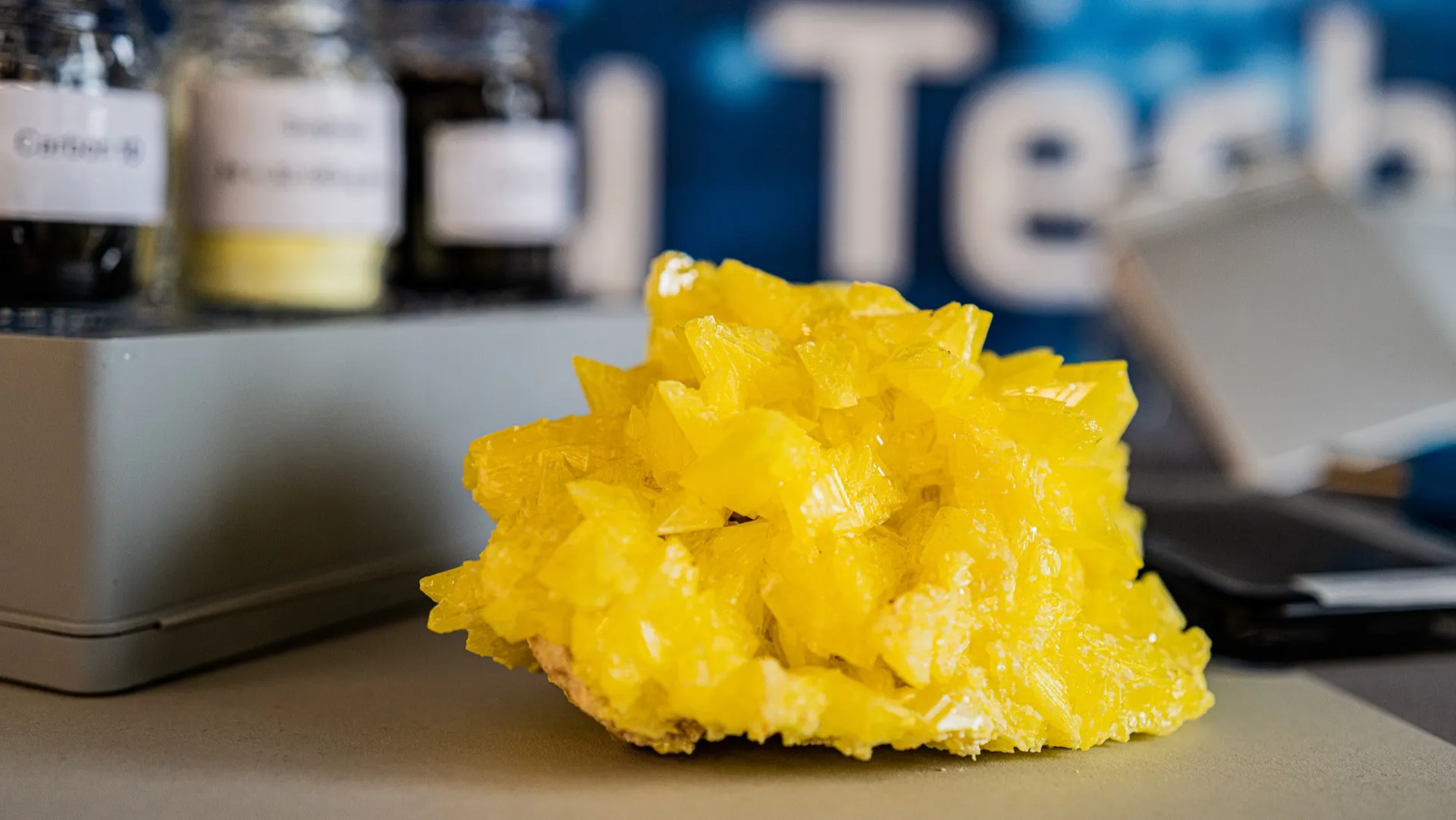
A German startup named Theion is making strides in the development of a new type of electric vehicle (EV) battery that prioritizes cost-effectiveness, energy density, and sustainability, positioning itself as a revolutionary alternative to current lithium-ion batteries. Theion recently announced it is close to completing a €15 million (approximately $16.2 million) Series A funding round aimed at advancing its unique sulfur-crystal battery chemistry. This technology is built on proprietary anode innovations that Theion believes can significantly enhance battery longevity—one of the primary challenges associated with sulfur-based battery chemistries.
With the aim of achieving an energy density of 1,000 Wh/kg, Theion’s ambition is impressive. This figure is roughly triple the energy density of current state-of-the-art nickel manganese cobalt (NMC) batteries, such as those used in Tesla’s Cybertruck. If successful, this innovation would enable lighter battery cells without compromising vehicle range or would allow for extended range within the same size cell.
A significant advantage of Theion’s technology is its avoidance of nickel and cobalt, which are often linked to environmental degradation and human rights issues due to mining practices. Theion asserts that its batteries could offer a carbon footprint and cost reduction of about one-third compared to conventional lithium-ion cells. Sulfur, being the 16th most abundant element in the Earth, not only makes Theion’s approach economically viable but also potentially more environmentally friendly.
However, Theion acknowledges that the longevity of these sulfur-crystal batteries poses a substantial challenge. For these new batteries to compete in the commercial EV market, they must deliver reliable performance for over 1,000 charge and discharge cycles. As a starting point, the company aims to test 500 Wh/kg cells to achieve performance at 500 cycles, which is a precursor to scaling up production.
The journey of lithium-sulfur batteries for EVs stretches back at least a decade, with various dramatic claims regarding their potential to greatly enhance driving range. Stellantis, a major automotive manufacturer, is exploring this technology through partnerships with startups like Lyten and Zeta Energy, setting goals to bring commercial products to market potentially by the decade’s end. The results and effectiveness of these collaborations—including Theion’s efforts—remain to be seen as they navigate the complexities of bringing new battery technology to mass production.
In conclusion, while Theion’s advancements in sulfur-crystal batteries could herald a new era for electric vehicle technology, substantial hurdles still need to be overcome before these innovations reach consumers. The startup’s dedication to creating a more sustainable and efficient energy source reflects a critical shift in the ongoing evolution of electric mobility.
The content above is a summary. For more details, see the source article.