


Key Takeaways
- Sweden has selected France’s Naval Group to supply four FDI frigates in a deal valued at over 40 billion Swedish kronor (approximately US$4.2 billion).
- The frigates will significantly enhance Sweden’s air-defense capabilities and are expected to be delivered annually starting in 2030.
- This purchase marks one of Sweden’s largest defense investments since the 1980s, with plans to integrate Swedish military technology into the vessels.
Sweden Chooses Naval Group for Frigate Supply
Sweden has awarded a contract to France’s Naval Group for the procurement of four FDI frigates, a decision expected to impact its defense landscape considerably. The deal, valued at over 40 billion Swedish kronor (around US$4.2 billion), outperformed bids from Spain’s Navantia and the UK’s Babcock International.
Swedish Defence Minister Pål Jonson announced in a press conference that each frigate is anticipated to cost just over 10 billion Swedish kronor, depending on integrated systems and equipment. These vessels will be outfitted with MBDA’s Aster 30 missiles, which are designed for long-range air-defense scenarios. The purchase reflects Sweden’s determination to strengthen its military capabilities, marking one of the most significant defense investments since the acquisition of the Gripen fighter jet in the 1980s, according to Prime Minister Ulf Kristersson.
Rapid delivery was emphasized as crucial due to the current security climate. Jonson asserted that the FDI frigates will provide Sweden with advanced surface combat capabilities, requiring adversaries to dedicate substantial resources to counter them. Additionally, the choice of Naval Group’s offerings stems from their production reliability and a proven air-defense system.
The first vessel from the Luleå class is set for delivery in 2030, with subsequent units expected at an annual rate. Sweden’s selections are viewed as a major step forward in enhancing its naval and air-defense capabilities. The Prime Minister stated he communicated directly with French President Emmanuel Macron to inform him of the decision.
This agreement additionally represents a strengthening of ties between Sweden and France, potentially opening doors for further collaboration. While addressing integration with NATO systems, Jonson confirmed that the deal would include Swedish components such as Saab’s RBS-15 anti-ship missiles and various radar and weapon systems.
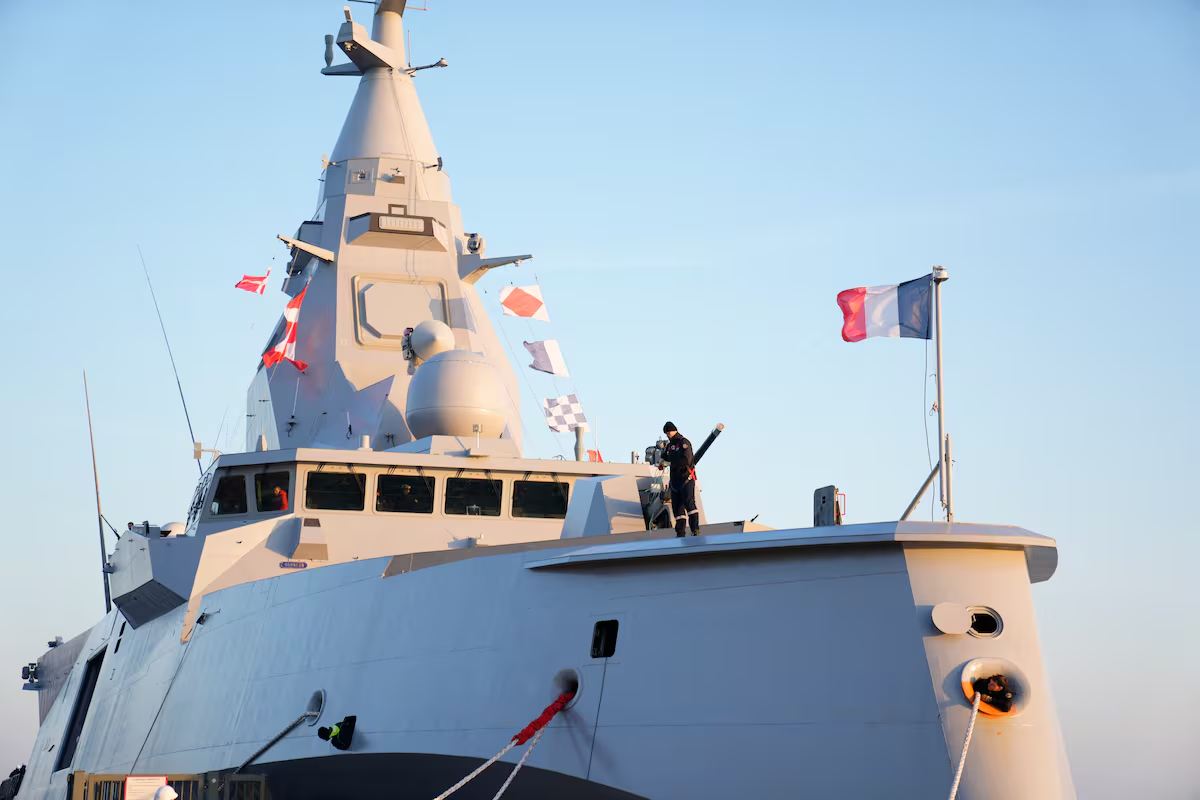
Furthermore, the integration of NATO-compatible command-and-control systems is a priority for Sweden, enhancing operational flexibility. The FDI frigates, measuring 122 meters and displacing around 4,500 tons, are designed to meet the demands of NATO operations, offering enhanced long-range air-defense capabilities compared to existing resources.
In recent months, France has also shown interest in Swedish technology, having ordered Saab’s GlobalEye airborne early warning and control aircraft. In light of Sweden’s ongoing modernization efforts, the frigates will augment the capabilities of the existing Visby corvettes, which will receive upgrades to bolster air-defense functions.
The selection of Naval Group followed a comprehensive evaluation process, favoring the rapid delivery timeline over offset agreements. Sweden aims to continue using Visby-class corvettes alongside the new frigates, further enhancing its naval defense posture.
With this strategic move, Sweden positions itself to actively participate in a wider range of NATO operations while fortifying its military independence and paving the way for future advancements in defense technology.
The content above is a summary. For more details, see the source article.









