


Key Takeaways
- Homelessness in the U.S. has surged by 18% from January 2023 to January 2024, impacting over 770,000 individuals.
- Cities are responding with strategies such as increasing affordable housing, implementing tenant protections, and spending on interim housing solutions.
- Challenges include potential funding cuts under the upcoming Trump administration and the need for better real-time data to track homelessness.
Rising Homelessness and Housing Crisis
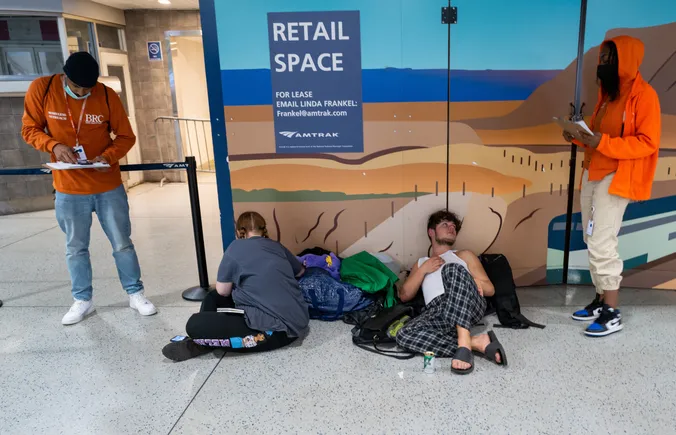
Adam Ruege, director of strategy and evaluation at Community Solutions, identifies the lack of affordable housing as the primary challenge cities will face in 2025. This assertion comes amid troubling U.S. Department of Housing and Urban Development (HUD) findings, revealing an 18% rise in homelessness between January 2023 and January 2024. More than 770,000 individuals were documented as homeless during the count, illustrating the critical affordable housing crisis, where only 34 rental units exist for every 100 renters with extremely low income.
Cities are exploring numerous solutions, ranging from the construction of more affordable units to initial implementation of guaranteed minimum income programs. Mari Castaldi from the Center on Budget and Policy Priorities emphasizes the need for quick connections to permanent housing and preventive measures to stop individuals from becoming homeless.
To remedy the crisis, cities are removing zoning restrictions and enhancing tenant protection laws to ease the burdens of higher rents. Approximately 150 cities have enacted ordinances to prevent income discrimination, ensuring landlords can’t reject tenants receiving Housing Choice Vouchers. For instance, Kansas City and Philadelphia introduced relevant legislation in 2024.
On the interim housing front, nonprofits like DignityMoves are vital. They develop temporary housing solutions, like tiny cabins, providing immediate shelter on a budget—costing as little as $30,000 per unit. This model serves as a crucial stopgap for individuals experiencing homelessness, addressing its urgent need while cities struggle with budget constraints.
Cities are also innovating ways to finance these endeavors—some have implemented “mansion taxes” on high-value home sales to redirect those funds toward affordable housing initiatives.
However, new regulations are rising, like the Supreme Court’s Grants Pass v. Johnson ruling, allowing cities to penalize homeless individuals for public camping. Many municipalities, including Aurora, Colorado, are adopting stricter camping bans, a measure criticized by some experts as potentially counterproductive.
Aside from local efforts, looming threats include potential cuts to HUD programs vital for affordable housing. The announced FY 2025 budget proposals from House Republicans suggest eliminating several crucial funding channels, risking further exacerbation of the crisis.
Finally, the need for accurate and timely data is paramount. Current HUD reports on homelessness are outdated, limiting effective response strategies. Ruege advocates for improved data collection methods to identify real-time needs among the homeless population, such as targeted aid for specific groups. A successful example is Chattanooga, Tennessee, which significantly reduced veteran homelessness by tailoring support to distinct sub-populations.
Ultimately, addressing the complexities of homelessness requires sustained efforts, innovative funding strategies, legal frameworks, and a commitment to improving data systems for effective solutions.
The content above is a summary. For more details, see the source article.









