


Key Takeaways
- New tariffs on vehicles may increase costs for consumers and companies.
- Potential price hikes on car maintenance and parts could burden vehicle owners.
- Uncertainty surrounding tariffs is causing hesitation in long-term business planning.
Impact of Tariffs on Car Costs
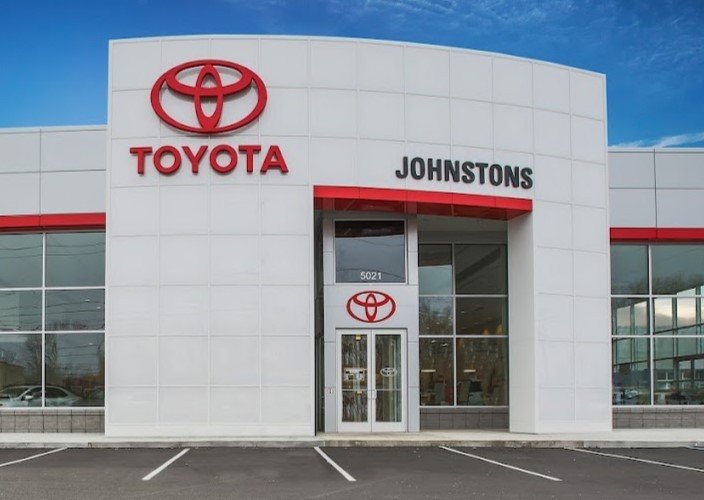
At the 125th New York International Auto Show, manufacturers were not permitted to discuss the potential impact of tariffs on new car prices. However, Steve Jardine, the owner of Johnston’s Toyota in New Hampton, shared insights regarding how these tariffs could affect consumers. He emphasized that the repercussions would not be confined solely to the purchase of vehicles but would extend to maintenance and parts as well.
Jardine explained that customers may soon notice significant increases in repair costs. For instance, he noted that if the cost of brake pads and rotors rises by 25 percent, a typical $500 brake job could escalate to $600. Similarly, the cost of a headlight replacement after an accident could climb from $500 to $600. These increases could have a broad financial impact on vehicle ownership.
The uncertainty surrounding these tariffs presents a significant challenge for business owners who prefer stability for future planning. Jardine highlighted the difficulty of making future investments, saying, “You don’t want to plan for a week, a month, or a year; you want to plan for three years, five years, 10 years down the road.” This ambiguity in the market prompts business owners to refrain from making crucial investment decisions regarding facilities or inventory.
While acknowledging the potential challenges, Jardine remained optimistic, hoping that “cooler heads prevail” and that any drastic actions regarding tariffs will be mitigated. His perspective reflects a broader concern among the automotive industry and related businesses regarding economic forecasting and operational planning amid evolving tariff policies.
Overall, the impact of potential tariffs on vehicle costs could reverberate throughout the auto industry, affecting both consumers and manufacturers. As the situation develops, stakeholders remain watchful for any changes that could stabilize or further disrupt the market.
The content above is a summary. For more details, see the source article.









