

Key Takeaways
- Self-driving robotaxis are set to expand into more cities, supported by favorable federal regulations.
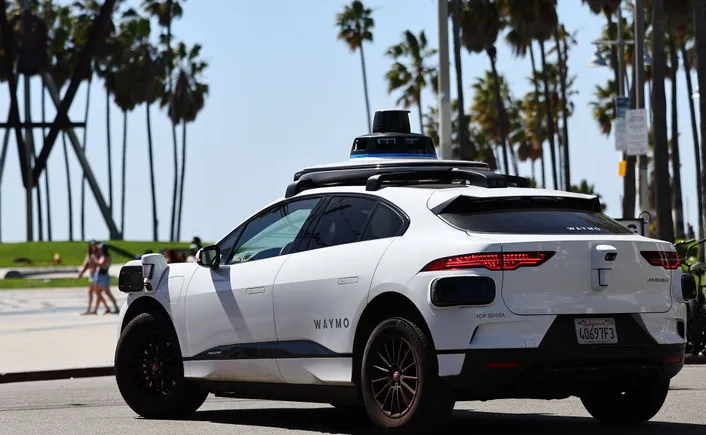
- Waymo leads the robotaxi market, with successful operations in cities like San Francisco and Los Angeles, but safety concerns persist.
- Legislative efforts aim to create standardized regulations for robotaxis across the U.S., addressing safety and operational protocols.
Self-Driving Robotaxis on the Rise
Industry experts believe that self-driving robotaxis will gain traction in more cities and states, buoyed by a supportive federal regulatory environment. A recent report from IDTechEx highlights over $100 billion in funding for robotaxi development despite the closure of General Motors’ Cruise division in 2024. Companies like Waymo, Motional, and Zoox, backed by significant funding from major automotive and tech firms, are pushing forward, deploying in various urban areas.
Waymo is recognized as a pioneer in this sector, having started limited self-driving services in Phoenix in 2017 and expanding to locations like San Francisco, Los Angeles, and Austin. User satisfaction rates are high, with 98% of riders expressing satisfaction in a recent survey. Plans for further expansion into cities like Atlanta are underway.
While existing regulations allow robotaxis to operate in more than 35 states, they vary considerably, leaving companies and advocates like the Autonomous Vehicle Industry Association (AVIA) calling for a unified federal framework. Representative Bob Latta intends to reintroduce the bipartisan Self Drive Act, aiming to establish standardized regulations to ensure clear operational guidelines across the nation.
Safety Concerns and Regulatory Challenges
Despite optimism in the industry, safety concerns remain prevalent. Waymo asserts that its vehicles are far safer than those operated by humans, citing data showing significantly fewer injury claims compared to traditional vehicles. However, experts like Carnegie Mellon’s Philip Koopman argue that the current data is insufficient given the limited operational history of autonomous vehicles.
The safety narrative encountered major setbacks following Cruise’s publicized pedestrian incident, leading to operational suspensions. Experts suggest that expanding robotaxi services will likely be gradual and city-specific, managing through safety challenges and regulatory complexities.
Tesla’s Ambitious Plans and Scrutiny
Tesla is set to launch its own driverless ride-hailing service later this year, although safety experts express concerns over its lack of advanced sensors like lidar. Current Tesla models require human supervision, which raises questions about their safety in real-world scenarios. Reports of erratic behaviors during testing further amplify skepticism regarding their readiness for the robotaxi market.
As the robotaxi space evolves, traditional taxi drivers are adapting by focusing on personalized services that automated systems cannot replicate, underscoring an ongoing interplay between human-driven and autonomous transportation methods. While the future of robotaxis appears promising, the journey forward will involve navigating complex safety and regulatory landscapes.
The content above is a summary. For more details, see the source article.