

Key Takeaways
- Tesla plans to introduce the Cybertruck with dry cathode battery technology within months, potentially reducing production costs by $1 billion.
- The Cybertruck’s price has decreased by around $20,000 from its initial launch, with federal tax credits available for certain trims.
- Dry cathodes, an eco-friendly alternative to traditional lithium-ion batteries, may eventually pave the way for solid-state battery technology.
Production Breakthrough for Cybertruck
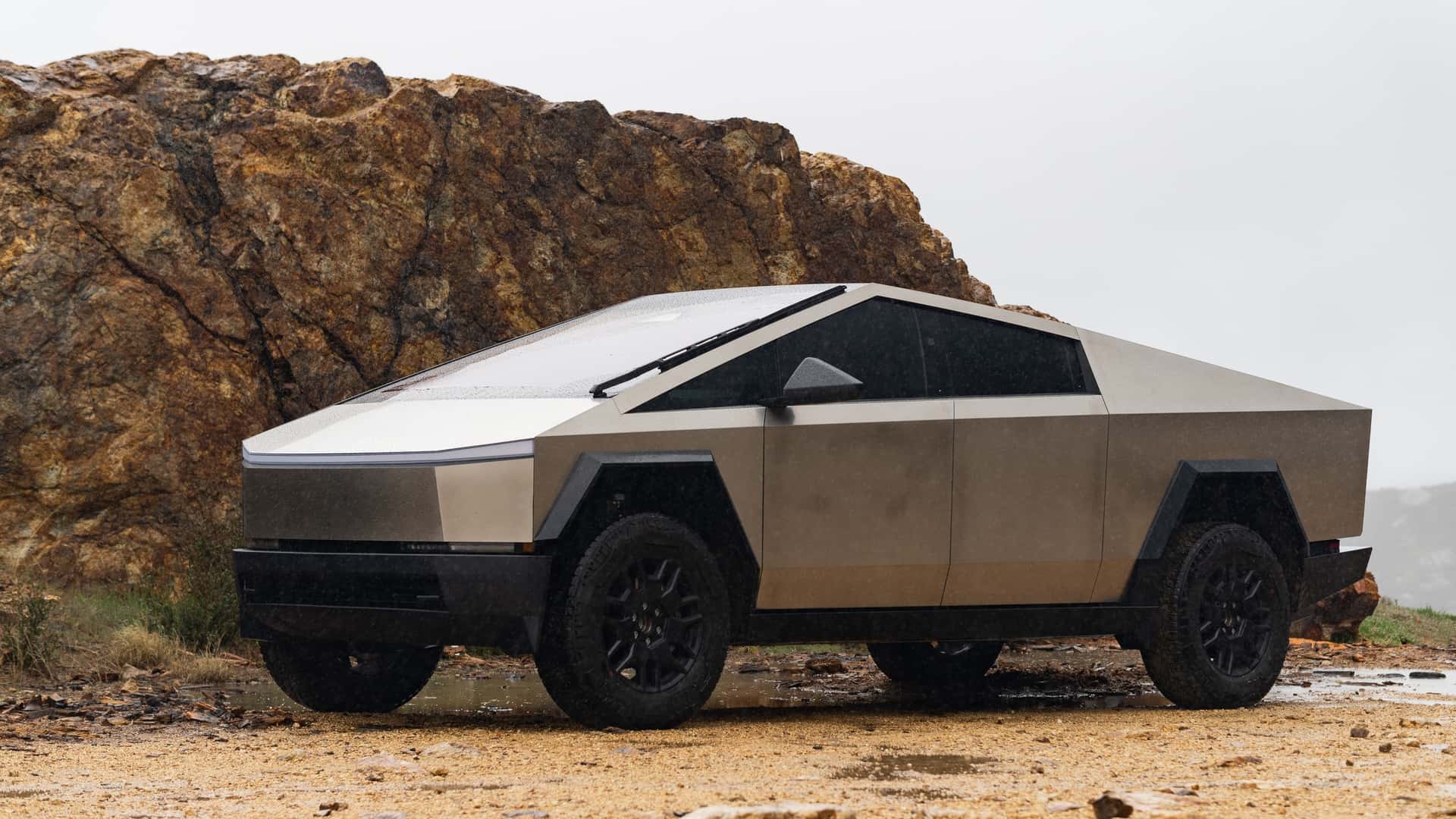
Tesla’s long-standing efforts to develop dry cathode battery technology are poised to bear fruit. Reports indicate that the Cybertruck, anticipated to integrate this new battery technology, is just months away from production readiness. This is part of a broader push by Tesla, which also includes launching its Robotaxi, introducing an affordable electric vehicle (EV), and making upgrades to the Model S and X.
While the Cybertruck’s starting price of $100,000 marked a departure from CEO Elon Musk’s earlier $40,000 target, recent price adjustments have reduced the cost of all-wheel drive and Cyberbeast trims by approximately $20,000. These trims qualify for a federal tax credit, adding financial incentive for potential buyers. The upcoming battery update aims to further cut costs, although it remains uncertain if these savings will be passed on to consumers.
According to Bonne Eggleston, Tesla’s senior director of 4680 cells, the new Cybertruck will feature dry cathode technology later this year. This method eliminates the use of liquid solvents in the cathode production process, relying instead on a dry powder. Theoretically, this reduces both complexity and manufacturing costs while being more environmentally friendly. It’s important to note that while dry cathodes utilize dry electrode technology, they still require liquid electrolytes to transport electrons.
Tesla’s commitment to this new technology could lead to significant cost savings—estimated at around $1 billion in production expenses. Sources familiar with Tesla’s timeline suggest that the upgraded Cybertrucks could be ready for release in the coming months.
Currently equipped with a 123-kilowatt-hour battery pack featuring nickel-cobalt-manganese cells, the Cybertruck is part of a larger initiative unveiled last year where Tesla announced four new battery types for its upcoming models, including the Robotaxi and affordable EV. However, progress on the dry cathode initiative has not been without challenges. Tesla’s journey began over five years ago with its acquisition of Maxwell Technologies for $218 million, fueled by optimism for dry cathode technology to save space and reduce the complexities of traditional lithium-ion battery production.
Nevertheless, development faced significant setbacks, notably issues with the inconsistent mixture of dry cathode materials causing damage to production machinery. Eggleston noted that the roughness of the cathode powder led to wear and tear on the steel rollers used during the battery manufacturing process, a problem previously mentioned by Musk.
Following a period of silence on the program, Tesla reaffirmed its commitment in mid-2023 by announcing a validation milestone for the prototype Cybertruck equipped with in-house dry cathode 4680 cells. The automaker emphasized that achieving cost reduction across its product lineup remains a primary focus.
Although the introduction of dry cathodes is expected to be a gradual improvement rather than an immediate revolution, it signals that Tesla’s ambitious battery innovations are nearing fruition. Further details may emerge during Tesla’s Q1 2025 earnings call, scheduled for early April.
The content above is a summary. For more details, see the source article.