

Key Takeaways
- Self-driving cars and robotaxis could paradoxically increase greenhouse gas emissions by encouraging longer commutes and more trips.
- Transportation is currently the largest source of greenhouse gas emissions in the U.S., with total vehicle miles traveled reaching record highs.
- Addressing climate goals requires rethinking urban design to prioritize walking, biking, and public transit over car-centric developments.
Transportation Emissions on the Rise
Transportation has become the foremost contributor to greenhouse gas emissions in the U.S., surpassing other sectors that have successfully reduced their emissions over the past two decades. Despite advancements in technology intended to combat climate change, such as electric vehicles and robotaxis, these innovations may inadvertently exacerbate the very issues they aim to solve.
As vehicle miles traveled (VMT) continue to rise—reaching unprecedented levels—the growth in transportation emissions is expected to follow suit. The trends indicate that people are taking more frequent and longer trips, often influenced by urban-suburban sprawl. A 2022 report from the Urban Institute warned that robotaxis could significantly increase VMT due to their convenience, contributing to a new wave of transportation challenges.
The Impact of Robotaxis
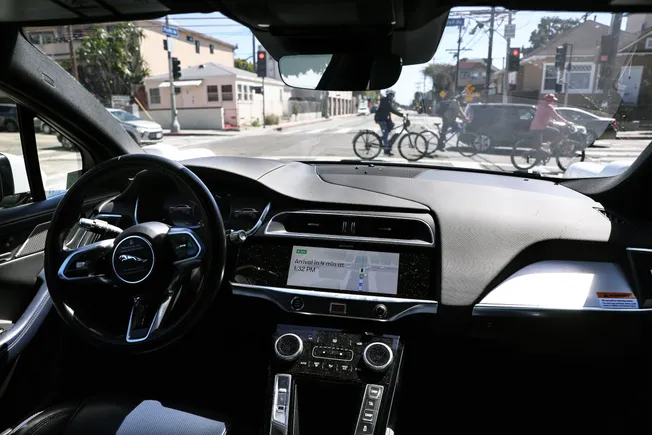
The introduction of self-driving robotaxis raises concerns about environmental consequences. While they promise convenience, the likelihood of increased short trips and prolonged commutes could lead to substantial VMT growth. Statistics indicate that more than half of daily trips in 2021 were under three miles, a pattern expected to worsen with the widespread adoption of robotaxis.
Interestingly, reliance on these services may deter transit use, which has struggled to recover post-pandemic. Commuters may increasingly opt for robotaxis, resulting in longer travel distances. Studies suggest that nearly one-third of drivers might relocate farther from urban centers if they have access to autonomous transportation, inadvertently contributing to suburban sprawl.
Environmental Implications of Urban Sprawl
As average commute times extend and the number of trips increases, the growing prevalence of empty trips—where vehicles travel without passengers—will further deteriorate resource efficiency. One study estimates that robotaxis could increase total VMT by up to 83%. This scenario poses a myriad of problems, including the carbon-intensive infrastructure necessary to accommodate rising vehicle usage.
Urban sprawl necessitates the construction of additional roads and parking, further aggravating the environmental footprint. In contrast, urban areas often facilitate lower energy consumption due to their compact nature, a benefit that sprawling suburbs lack.
A Call for Thoughtful Urban Planning
To mitigate these challenges, a paradigm shift toward building better cities rather than simply enhancing vehicle technology is essential. Current urban layouts prioritize vehicular transport, which not only limits the appeal of walking, biking, or mass transit but may also undermine climate objectives. A 2020 survey indicated that 80% of Americans feel compelled to rely heavily on cars.
Addressing the transportation crisis requires redefining city designs to support sustainable travel methods, moving away from dependence on automobiles and steering closer to achieving climate goals.
The content above is a summary. For more details, see the source article.