


Key Takeaways
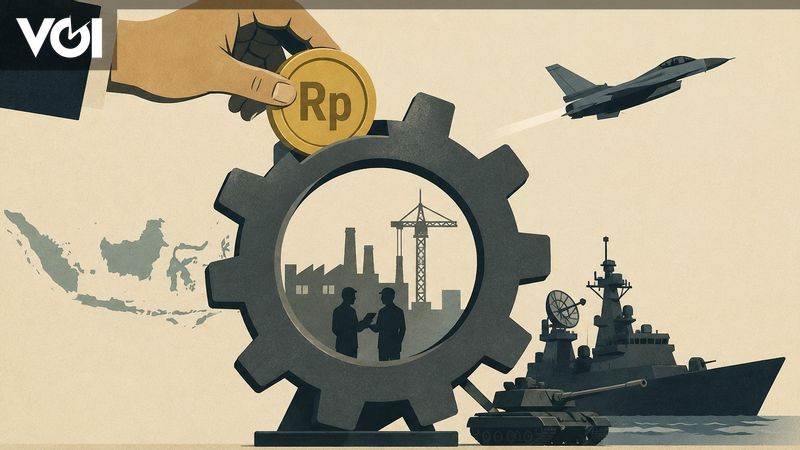
- Defense spending in Indonesia should be viewed as an investment in industry and technology, not merely a budget expense.
- Indonesia aims to create a robust defense industrial base that can contribute to job creation and technological advancement.
- The “Defense Economy 5.0” concept emphasizes integrating defense with industry, technology, and national development for broader economic benefits.
Transforming Indonesia’s Defense Strategy
Major General Budhi Achmadi, Assistant to the TNI Commander in Chief, advocates for a fundamental shift in how Indonesia approaches its defense budget. He argues that defense allocations should be perceived as investments aimed at bolstering domestic industries, fostering technological growth, creating jobs, and enhancing exports. This modern perspective comes amid increasing geopolitical tensions and rapid advancements in military technology.
Budhi highlights that traditional views of defense spending are outdated. He cites defense economist Ron Matthews, who posits that a country’s military strength is less about the sheer size of its budget or weaponry and more about its capacity to convert defense expenditures into productive industrial growth and competitiveness.
Indonesia’s requirements for military modernization are significant. The military seeks advanced technologies including fighter jets, naval vessels, radar systems, drones, and cyber defenses. However, Budhi emphasizes that it is essential for these purchases to stimulate the nation’s industrial capabilities, improve workforce skills, and foster innovation across sectors.
Budhi references South Korea and Turkey, both of which transitioned from importing military equipment to becoming exporters of advanced defense technologies like drones and combat vehicles. He underscores that Indonesia has a foundational advantage with its existing strategic industries that can manufacture aircraft, naval ships, and other defense systems.
The key challenge is to develop a cohesive ecosystem—termed the Defense Industrial Base—combining industry, academia, research institutions, and end users. This integrated approach not only supports defense needs but also generates technologies beneficial to the civilian sector, such as GPS, sensors, and artificial intelligence.
Encouraging defense exports is also part of Budhi’s vision. Indonesia’s defense products, including transport aircraft and drones, have the potential to capture markets in Southeast Asia, Africa, the Middle East, and the Pacific.
Budhi introduces the concept of “Defense Economy 5.0,” which aims to merge defense needs with digital technology, artificial intelligence, and sustainable practices. The overarching goals include establishing a credible military, enhancing industrialization, advancing strategic technology mastery, increasing defense exports, and generating positive economic impacts.
Ultimately, Budhi believes that the success of Indonesia’s defense development should be assessed not just on military assets but also on the security, economic, and technological benefits produced. He underscores the importance of defense in achieving national independence and growth, aligning with the Indonesia Emas 2045 vision—a framework emphasizing the interconnection between defense preparedness and national industrial progress.
The content above is a summary. For more details, see the source article.









