


Key Takeaways
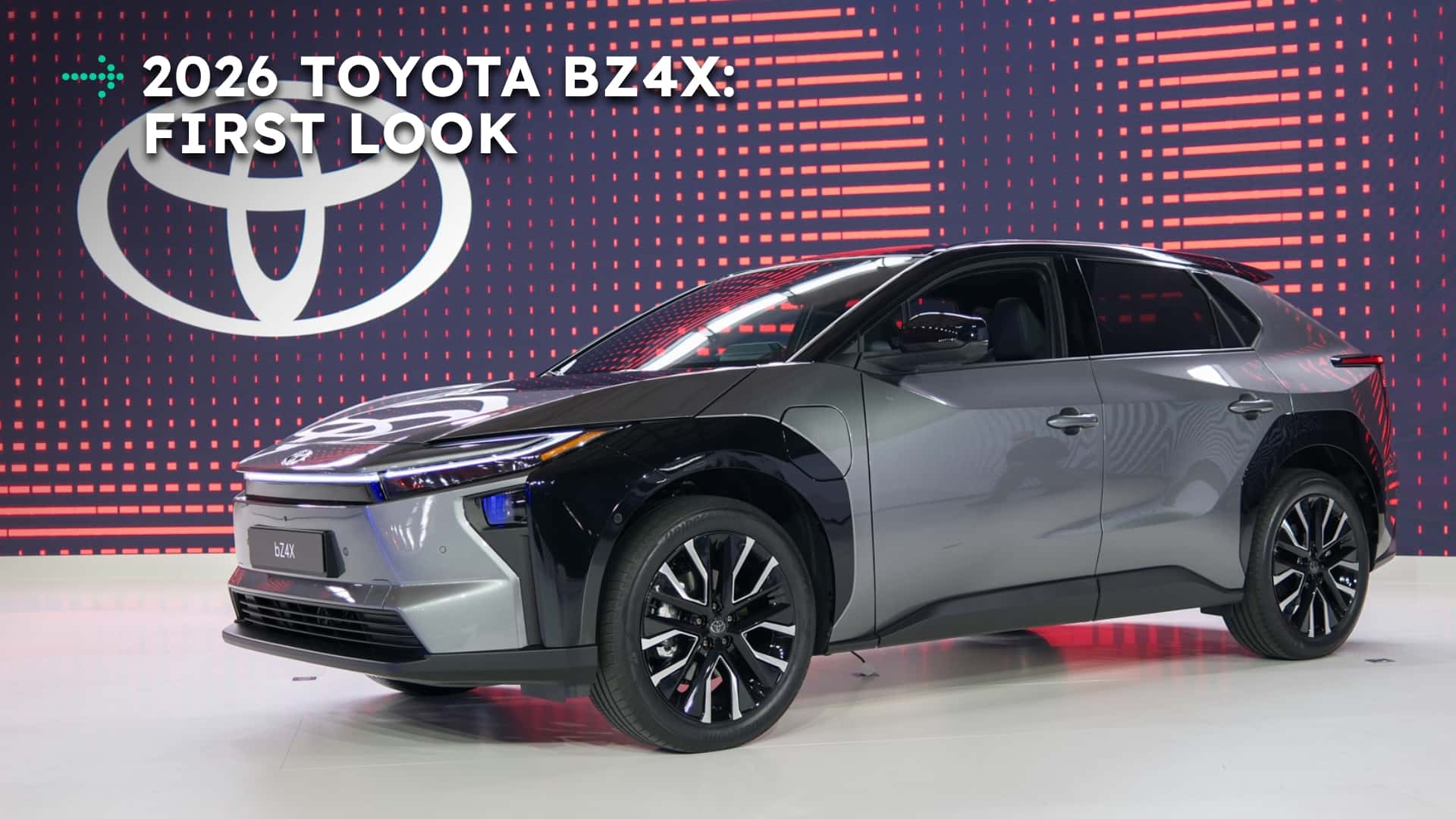
- The 2026 Toyota bZ4X receives significant upgrades, including improved range, power, and charging capabilities.
- Sales of the bZ4X have surged, making it a top seller in several markets, including Norway.
- New features include enhanced battery options, EV routing, and a revamped interior for better comfort.
Enhancements and Market Response
Toyota, the world’s largest automaker, has been criticized for its slow adaptation to the electric vehicle (EV) market. Despite past doubts, the bZ4X has emerged as a surprisingly successful model, particularly in the U.S. and Europe, where its sales have soared in 2024, boosted by aggressive incentives. Notably, in Norway, it became the top-selling EV, indicating a strong demand for reliable electric options from a major player known for pioneering hybrid technology.
At the recent Kenshiki Forum in Brussels, Toyota showcased several upgrades for the bZ4X, responding to customer feedback regarding its performance and features. Toyota Operating Officer Simon Humphries announced improvements that include a 50% increase in power, faster charging capabilities, and enhanced towing capacity. The bZ4X’s chief engineer, Masaya Uchiyama, stated that the vehicle is now competitive against key rivals like the Tesla Model Y and Hyundai Ioniq 5.
Battery Performance and Range
The updated bZ4X introduces two new battery options, including a compact 57.7 kWh battery and a larger 73.1 kWh version. This allows consumers to choose a model that fits their driving needs and budgets. Although specific range figures for the U.S. market are not yet available, Toyota anticipates that the bZ4X will achieve up to 356 miles (573 km) on the European WLTP cycle, an increase from the previous maximum of 320 miles (516 km).
Performance enhancements extend to the vehicle’s output as well; the new models can produce up to 343 hp compared to the previous 214 hp. Furthermore, the towing capacity for the all-wheel-drive version has increased to 3,306 lbs (1,500 kg), catering to buyers with diverse needs.
Charging Improvements
Charging efficiency has been a significant concern for EV consumers, and Toyota has addressed this by doubling the onboard AC charger’s power from 11 kW to 22 kW for higher models. This advancement drastically reduces charging time at compatible Level 2 chargers. While DC fast charging remains capped at 150 kW, the overall charging curve has improved, aiming for a 10% to 80% charge in just 30 minutes.
Additionally, the bZ4X will feature battery preconditioning to facilitate quicker charging, especially beneficial in colder climates. The vehicle’s new navigation system includes built-in EV routing, which automatically suggests routes with charging stations based on the car’s battery status.
Interior and Design Updates
Although the exterior changes are subtle, the interior has undergone significant redesigns. Enhancements include a more spacious dashboard layout, relocation of the driver display, and the introduction of a 14-inch multimedia screen as standard. Improvements in noise insulation have also been made, contributing to a quieter driving experience.
Pricing and Future Plans
While pricing for the new bZ4X has not yet been announced, the introduction of a smaller battery option may make it more accessible. It is expected to launch in European markets later this year, with the U.S. release happening shortly after. Toyota plans to adopt the Tesla-style North American Charging Standard plug for the bZ4X, enhancing its compatibility with charging networks.
Looking ahead, Toyota has promised three additional all-electric models by 2026, expanding its EV lineup, which indicates a more dedicated approach to the electric vehicle sector. This pivot signals a potential shift in consumer perception, presenting an exciting future for fans and prospective buyers alike.
The content above is a summary. For more details, see the source article.









