


Key Takeaways
- Toyota will introduce next-gen hybrid batteries in 2024, improving performance and reducing costs.
- Sales of hybrids and electrified vehicles rose by 9.1% year-over-year, with expectations of exceeding 5 million hybrid sales by the end of 2026.
- The automaker is also developing longer-range lithium-ion and solid-state batteries for EVs, aiming to enhance competitiveness against rivals.
Next-Generation Hybrid Batteries Launching Soon
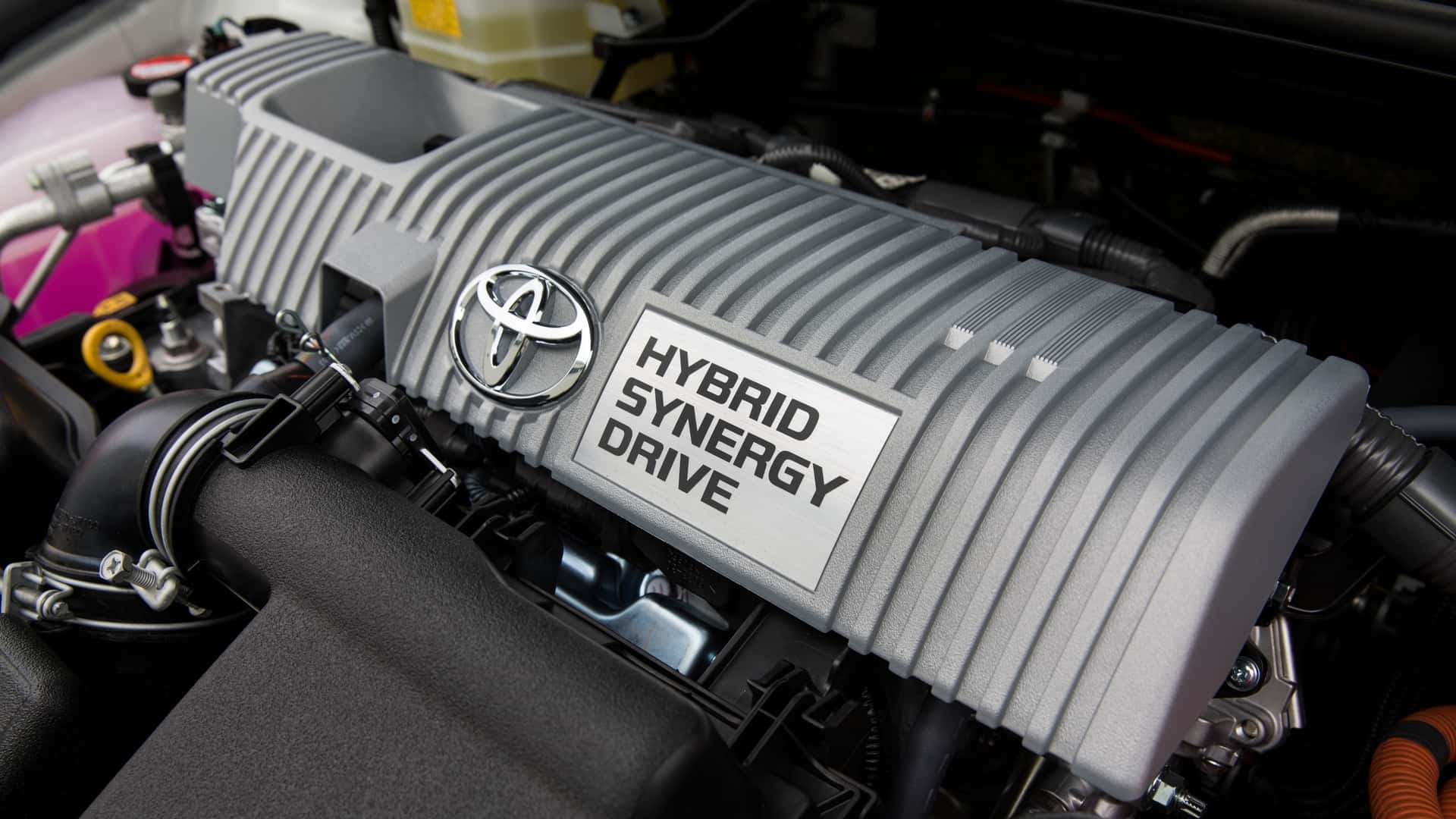
Toyota is set to launch its next-generation hybrid batteries next year, aiming to enhance performance and reduce costs. This initiative coincides with the automaker’s goal of selling over 5 million hybrids globally by the end of 2026. The company announced these plans during its recent earnings call, highlighting that it will repurpose existing battery production lines in Japan to support the new technology. Toyota’s chief accounting officer, Takanori Azuma, emphasized the ramp-up of production to meet growing customer demand.
Historically, Toyota has relied on nickel-metal hydride (NiMH) batteries for its hybrid vehicles. Yet, the company is shifting toward more effective lithium-ion batteries for its newer models, such as the sixth-generation RAV4. Although the specifics of the new hybrid battery’s chemistry remain unclear, the transition makes strategic sense as Toyota adapts to market demands.
In the first half of 2026, Toyota’s global sales, including both the Toyota and Lexus brands, dipped by 3% to about 5 million units, marking its first decline in two years. However, sales of electrified vehicles—comprising hybrids, plug-in hybrids, battery-electric vehicles (BEVs), and fuel-cell vehicles—increased by 9.1% year-over-year, totaling 2.7 million units. Hybrids predominantly drove this growth, with approximately 2.3 million hybrid vehicles sold, representing 86% of all electrified vehicle sales.
Several factors have contributed to the surge in hybrid sales. Rising gas prices linked to the geopolitical climate have increased consumer interest in electrified vehicles. Additionally, changes in U.S. federal tax credits and tightening fuel economy regulations have buffered the sales of hybrids. Recently, Toyota transitioned two of its best-selling models, the Camry and RAV4, to hybrid-only options, a strategic move to bolster hybrid market shares.
Furthermore, Toyota’s BEV sales have seen a significant boost in 2023, with 193,000 units sold in the first half of the year, reflecting a 135% increase compared to the previous year. Looking ahead, the automaker is also intensifying efforts to enhance its BEV technology. New lithium-ion batteries, expected to debut in 2027, anticipate a range of up to 621 miles (1,000 kilometers) under optimistic test conditions, equating to over 500 miles under more stringent EPA standards.
In addition to lithium-ion advancements, Toyota is exploring solid-state batteries, which promise charging times from 10% to 80% in under 10 minutes. Despite these developments, Toyota leadership acknowledged the need to elevate its EV competitiveness against emerging rivals, particularly from China. Azuma stated that collaboration with local partners through joint development initiatives will be crucial for strengthening its position in the evolving market.
As Toyota continues to innovate and adapt, the focus remains on enhancing the hybrid lineup and expanding its offerings in the battery-electric segment, aiming to meet customer needs and stay ahead of market trends.
The content above is a summary. For more details, see the source article.









