


Key Takeaways
- Tracy Kidder, famed author of “The Soul of a New Machine,” passed away at age 80.
- His book details the challenges faced by engineers at Data General while developing the Eclipse MV/8000 minicomputer.
- Kidder’s work, which won a Pulitzer Prize, effectively simplified complex engineering concepts for a general audience.
Legacy of Tracy Kidder
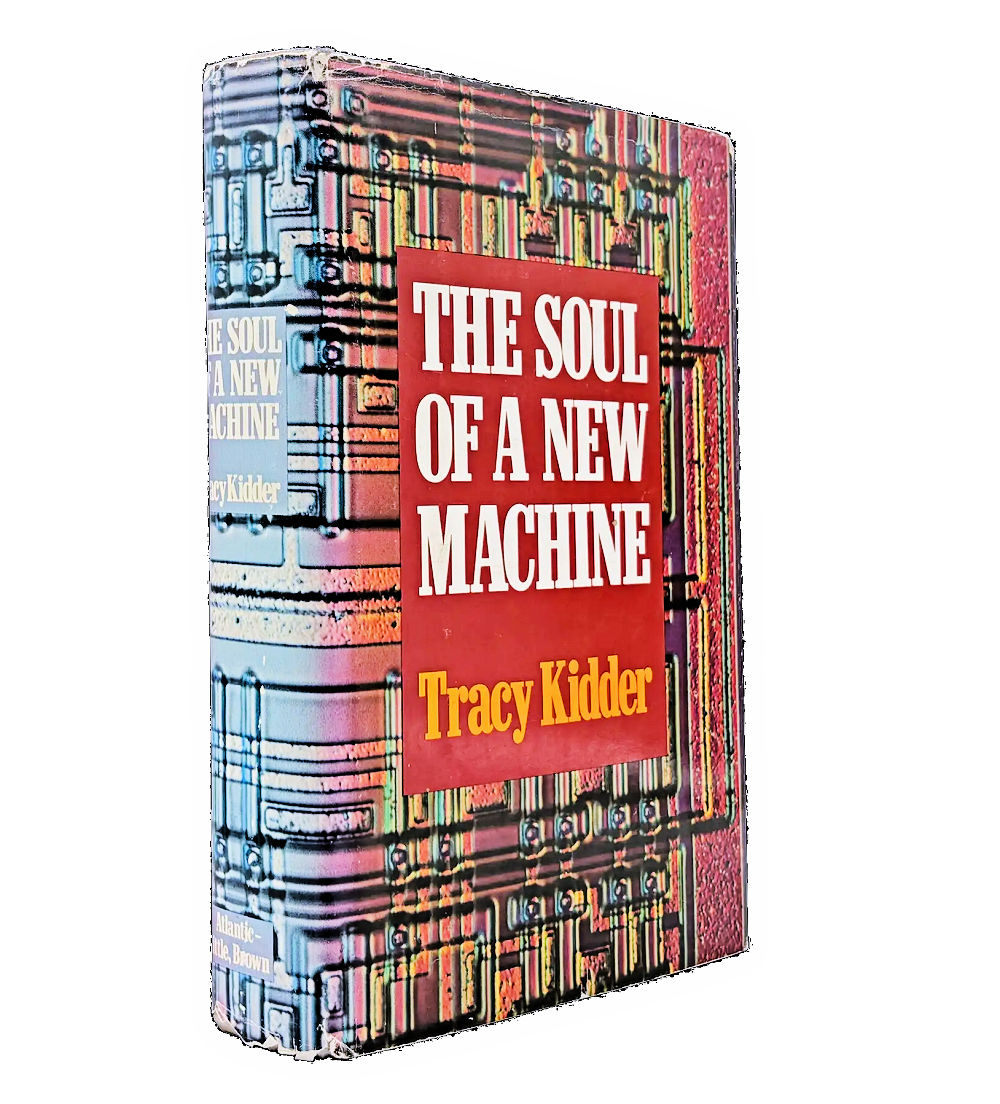
Tracy Kidder, the celebrated author renowned for his best-selling book “The Soul of a New Machine,” has died at 80. Kidder authored numerous non-fiction works, including “House,” “Among Schoolchildren,” and “Mountains Beyond Mountains.” However, “The Soul of a New Machine,” which garnered the Pulitzer Prize, stands out for illuminating the intricate world of computer engineering.
Kidder’s journey into the realm of technology began with a recommendation from Richard Todd, his editor at “The Atlantic,” who encouraged him to explore the burgeoning field of electronics in the late 1970s. This recommendation led him to Tom West, the leader of Data General’s team working on the Eclipse MV/8000 minicomputer, where Kidder embedded himself for months to chronicle the development process.
The objective for West’s team was to create a new 32-bit minicomputer to compete with Digital Equipment Corporation’s successful VAX line. Data General’s initial project—a more ambitious machine named FHP—failed, so the focus shifted to the Eagle project, which ultimately succeeded in revitalizing the company.
Kidder faced the daunting task of explaining complex computer engineering concepts to a largely uninformed audience. Topics such as memory management, computer instruction-set compatibility, and the differences between 16-bit and 32-bit systems were intricately woven into the narrative of the Eagle’s development. His ability to render technical jargon comprehensible made the book accessible, culminating in a broad readership.
One of the significant technical decisions highlighted in the book was the use of Programmable Array Logic (PAL) chips, which allowed the Eagle design team to adopt new technologies despite the risks. Writing about the challenges of incorporating PALs into their designs, Kidder explained how the decision represented both a gamble and an opportunity for efficiency. This aspect of the narrative resonated well with engineers at that time, as it showcased the blend of innovation and risk inherent in technology development.
Kidder’s storytelling extended beyond technical specifics; he infused personal anecdotes, such as the creation of an “Honorary PAL Award” by the hardware team, which further engaged readers with humor and authenticity. His insights and experiences not only captivated the audience but also influenced numerous engineers in their design choices, as reflected in the author’s own career trajectory after reading the book.
Though Kidder’s exploration into technology began with limited background knowledge, his writings significantly impacted the understanding of computer engineering among a broader audience. “The Soul of a New Machine” remains a pivotal work that not only chronicles the struggles of engineers but also celebrates the human spirit of innovation.
Tracy Kidder’s passing marks the end of an era for an author whose work transcended complex technical discussions, making significant contributions to both literature and the field of technology. The legacy of his writing continues to inspire engineers and aspiring authors alike.
The content above is a summary. For more details, see the source article.









