


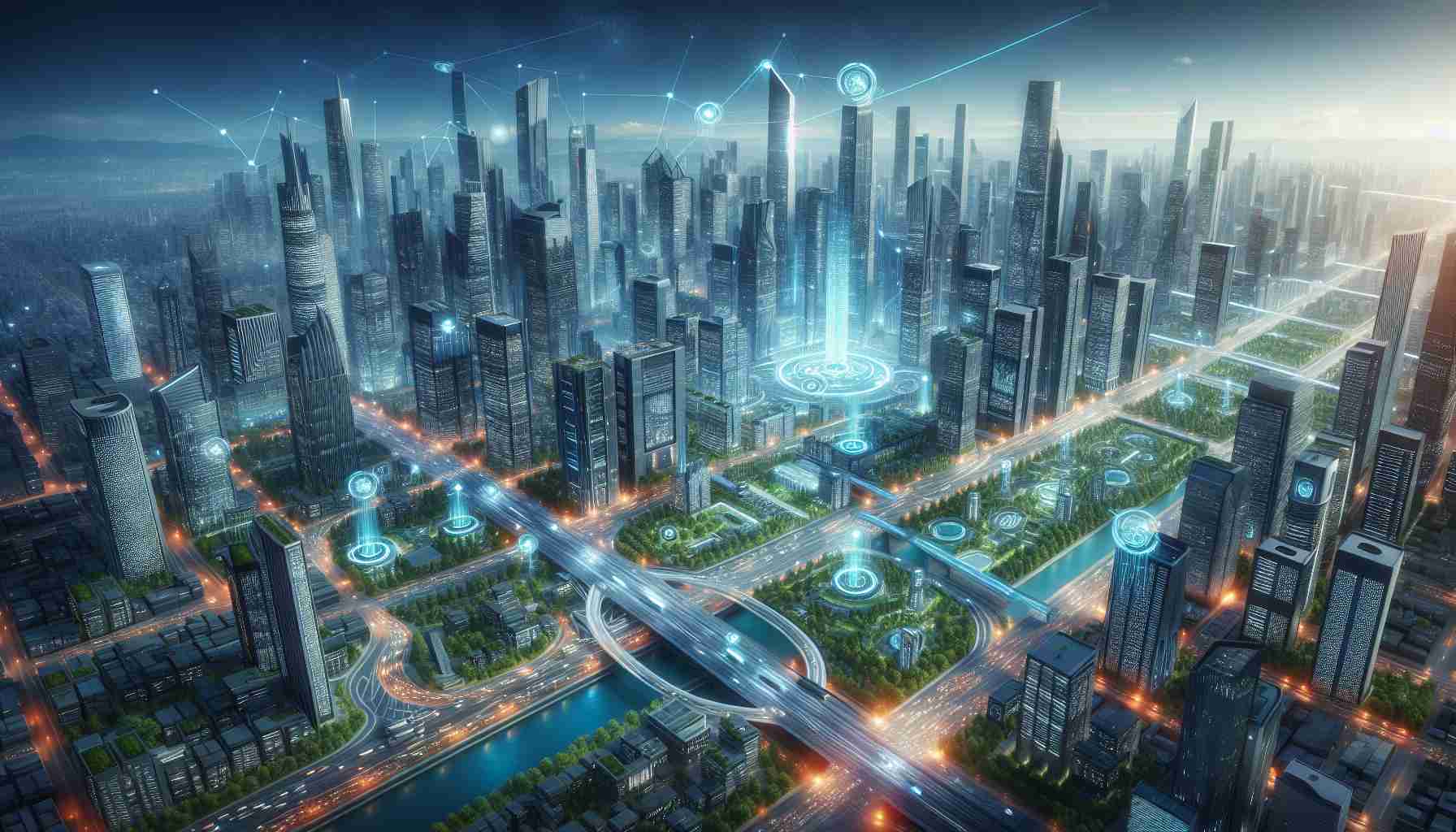
Key Takeaways
- SMCI (Smart City Management Infrastructure) integrates real-time data, optimizing urban planning, management, and sustainability.
- The framework personalizes municipal services and encourages public engagement, fostering a cooperative city atmosphere.
- SMCI enhances resource efficiency, reducing costs and carbon footprints while improving public safety and economic growth.
SMCI: A Game Changer for Urban Living
As urban areas face unprecedented growth and challenges, Smart City Management Infrastructure (SMCI) offers an innovative solution aimed at transforming city landscapes globally. This cutting-edge framework seamlessly integrates with existing smart city systems, managing and planning urban environments more effectively.
The strength of SMCI lies in its capability to harness real-time data. City planners can monitor and improve various infrastructure aspects—such as public transportation and energy distribution—enabling optimal resource allocation. This not only enhances public safety and service efficiency but also significantly reduces cities’ carbon footprints.
A notable feature of SMCI is its personalization of urban services. By employing advanced algorithms and machine learning, the system tailors municipal services to cater to the unique needs of individuals. This shift creates adaptable urban environments that elevate residents’ quality of life and ensure that services are more responsive to community needs.
Moreover, SMCI enhances public engagement through digital platforms that invite citizen feedback and facilitate participation in urban decision-making. This involvement fosters trust between residents and city officials, encouraging a collaborative approach to governance.
The environmental advantages of adopting SMCI are profound. By monitoring energy consumption patterns and optimizing transportation systems, cities can significantly diminish waste and emissions. Innovations such as adaptive lighting systems and smart grids highlight how technology can contribute to sustainability efforts, aligning urban practices with global climate action goals.
Economically, SMCI creates a robust foundation for growth. Through resource optimization and predictive maintenance, cities can lower operational expenses and avoid costly infrastructure downtime. The focus on personalized services not only attracts businesses but also stimulates job creation, leading to economic dynamism.
Furthermore, the societal impacts of SMCI extend beyond efficiency gains. The inclusive nature of digital platforms empowers citizens, ensuring urban development aligns with community needs. Such initiatives improve public trust and engagement while enhancing the overall quality of life.
As SMCI redefines urban living, its potential for influencing policy and practices in both developed and developing regions cannot be understated. The technologies and strategies crafted in urban centers can serve as a model for sustainable practices globally.
In summary, SMCI represents a promising evolution in urban management, addressing critical issues faced by cities today. Its adoption paves the way for more sustainable, efficient, and citizen-focused urban environments, crafting a resilient future for generations to come.
The content above is a summary. For more details, see the source article.









