


Key Takeaways
- Over 350 participants from more than 20 countries gathered at Smart City Expo Miami 2025 to discuss inclusive urban planning.
- The event emphasized the significance of citizen engagement and inclusive design in developing smart cities.
- Miami Dade College highlighted its role in workforce development and the integration of AI in urban spaces.
Innovative Approaches to Urban Planning
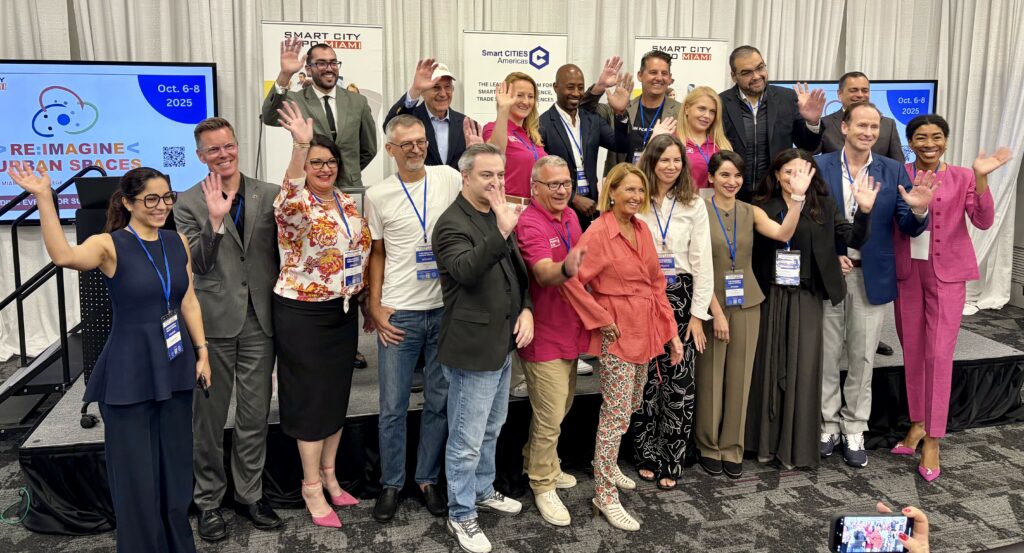
Smart City Expo Miami 2025 attracted over 350 participants from 20+ countries to discuss the future of urban living. Held at Miami Dade College’s AI Lab, the event focused on creating cities that emphasize accessibility, sustainability, and citizen engagement.
Bernardo Scheinkman, founder of Smart Cities Americas, highlighted the need to rethink urban life beyond mere technology. This year’s theme, “RE:IMAGINE URBAN SPACES,” showcased Miami’s evolving role as a nexus for global innovation and local application. Diverse speakers from places like Ukraine, Spain, and Coral Gables presented their insights on utilizing intelligent design and AI for more cohesive and functional urban environments.
For Coral Gables CIO Raimundo Rodulfo, emphasizing community involvement is crucial. He stated, “An intelligent community is about understanding local needs.” This sentiment resonated in discussions on citizen advisory boards and including residents in city planning. Port St. Lucie’s Deputy City Manager Kate Parmelee echoed similar thoughts, asserting that local residents are essential co-creators in civic improvement projects.
Alex Norman, CEO of Access Built, stressed that cities need to be designed inclusively from the outset. He pointed out that poor design leads to unnecessary friction, while inclusive approaches yield broader benefits. Luis Miguel Gallardo from the World Happiness Foundation added that cities should prioritize citizens’ happiness alongside technological advancements, suggesting the inclusion of well-being metrics in urban planning.
Miami Dade College’s President Madeline Pumariega emphasized the institution’s commitment to fueling local workforce development through AI education. With 125,000 students and 500 faculty members engaged in training, MDC is addressing talent and infrastructure challenges essential for Miami’s growth.
Global perspectives took center stage, with speakers sharing examples like Kyiv’s air raid app and Murcia’s digital twins, demonstrating how technology can improve urban resilience and problem-solving. Chris Lane from Smart AI Connect warned about the necessity for robust governance frameworks as cities integrate AI into their infrastructure, noting the inherent business risks.
The first day concluded with an awards ceremony honoring leaders in sustainable urbanism, further highlighting the collaborative spirit of the event. Attendees enjoyed networking opportunities, sharing insights across various sectors, and exploring a bookstore dedicated to smart city literature.
Looking ahead, the Expo promises deep dives into emerging topics, including masterclasses and specialized sessions for policymakers. Scheinkman’s closing remarks served as a reminder of the Expo’s purpose to bridge global ideas with local realities for enhanced urban living.
The content above is a summary. For more details, see the source article.









