


Key Takeaways
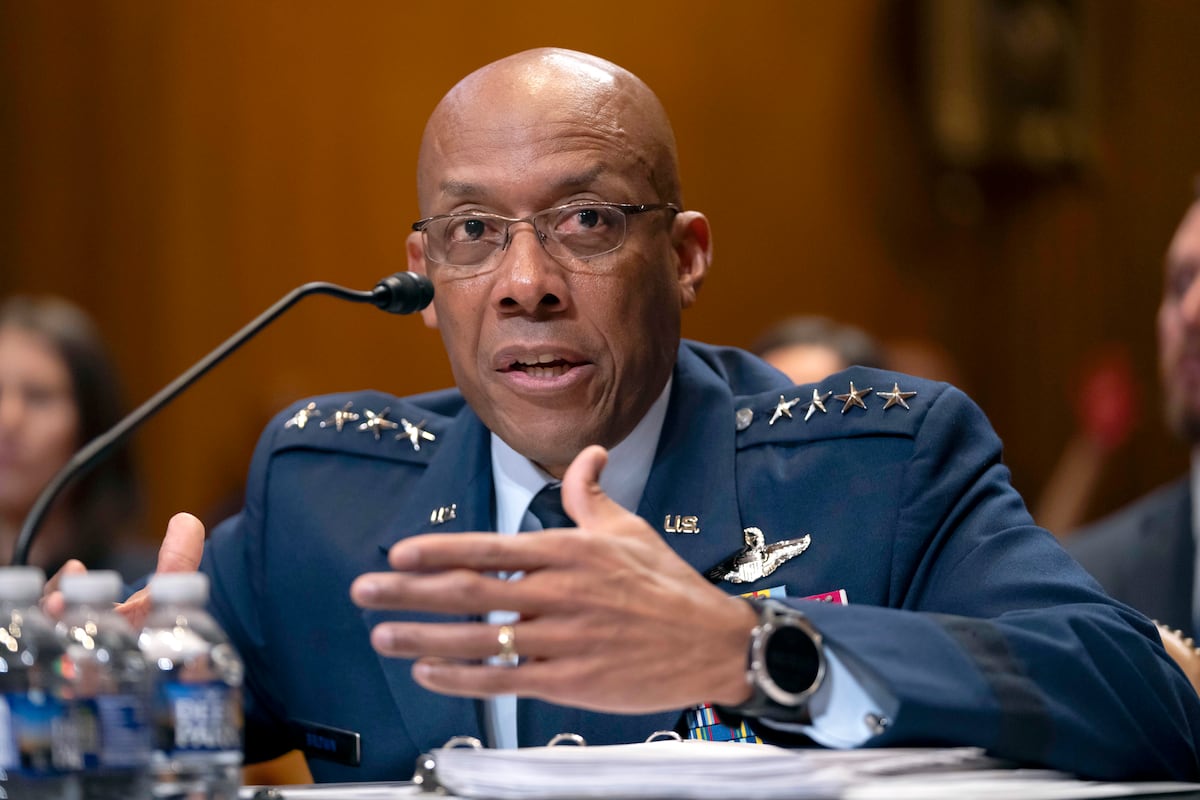
- President Trump fired Chairman of the Joint Chiefs Gen. CQ Brown and other top military leaders, nominating retired Air Force Lt. Gen. Dan Caine as the new chairman.
- The dismissals have raised concerns about political motivations, with lawmakers calling for transparency in officer removals.
- Critics warn that the firings could undermine military professionalism and increase politicization within the ranks.
Details on Leadership Changes
President Donald Trump announced the dismissal of several high-ranking military officials, including Gen. CQ Brown, Chief of Naval Operations Adm. Lisa Franchetti, and Air Force Vice Chief of Staff Gen. Jim Slife. This decision, conveyed through Defense Secretary Pete Hegseth, also included Trump’s plans to nominate retired Air Force Lt. Gen. Dan Caine as the new Chairman of the Joint Chiefs of Staff. In his statement, Hegseth expressed confidence in Caine’s leadership capability, stating he “embodies the warfighter ethos.”
While replacements for Franchetti and Slife have not been named, Hegseth has requested nominations for their positions. Both officials are recognized for their distinguished careers, and their service was acknowledged in Hegseth’s remarks.
Rumors of Brown’s potential dismissal had circulated in Washington since Trump’s reelection. Brown, the first Black chairman of the Joint Chiefs and a prominent proponent of diversity initiatives, became a target for criticism from some lawmakers. Hegseth, while praising Brown’s service, had previously expressed skepticism about his leadership qualities in his book, suggesting that Brown’s career was shaped by adherence to the views of political leaders rather than military readiness.
Over a career spanning four decades, Brown has held several significant roles, including directing air operations against the Islamic State and serving as Pacific Air Forces commander. His sudden dismissal less than a year and a half into his term as Chairman highlights a troubling trend regarding military leadership.
Concerns from lawmakers and political analysts about the motives behind these firings are significant. Sen. Jack Reed, a Democrat, expressed his unease over what appears to be a politically motivated campaign to remove capable military leaders. This sentiment is echoed by organizations like the Center for American Progress, which condemned the dismissals as detrimental to military integrity and morale.
Brown’s tenure as Chairman was marked by his previous appointment and public discussions about racial justice following George Floyd’s death. During his confirmation, he emphasized the necessity of maintaining a nonpartisan military and addressed inquiries concerning the representation of minority officers in the Air Force.
The current dismissals have sparked a debate on military leadership and the role of diversity in the U.S. armed forces, raising questions about how political affiliations could compromise the military’s professionalism and readiness for future challenges. Critics argue that replacing seasoned officers with politically aligned figures could disrupt the military’s operational effectiveness and undermine the trust necessary within the ranks.
As the situation develops, the implications of these leadership changes will likely reverberate across the military and into the broader political landscape, prompting ongoing discussions about the intersection of military performance and political loyalty in the U.S. armed forces.
The content above is a summary. For more details, see the source article.









