


Key Takeaways
- President Trump plans to announce “reciprocal” tariffs on U.S. trading partners next week.
- The average tariff rates of Japan and the U.S. are nearly identical, at 1.6% and 1.5%, respectively.
- Uncertainty remains about the legal authority for implementing these tariffs and their potential impact on trade relations.
Trump’s Upcoming Tariff Announcement
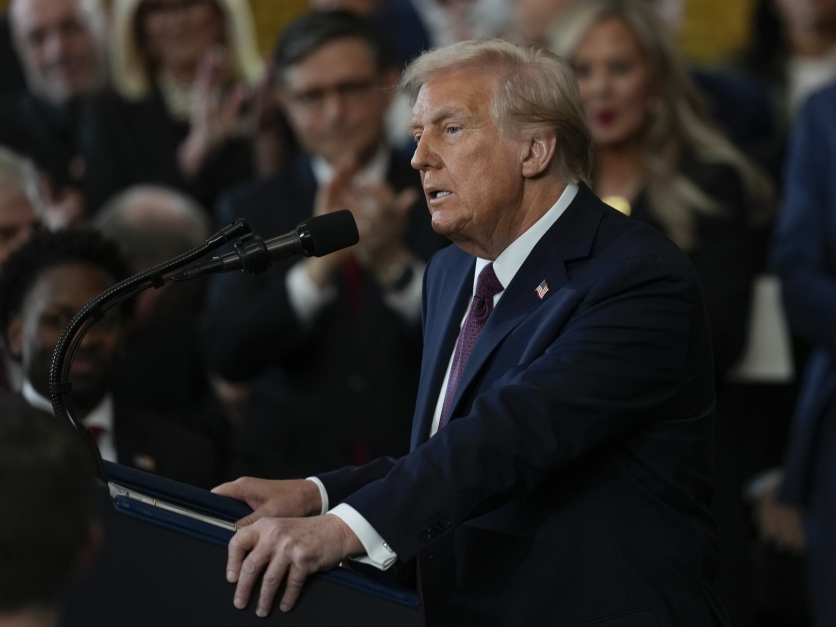
President Donald Trump announced his intention to introduce “reciprocal” tariffs on U.S. trading partners, with an announcement expected next week. During a press conference with Japanese Prime Minister Shigeru Ishiba, Trump confirmed, “we’re going to have tariffs,” indicating that further details would emerge in a meeting scheduled for “Monday or Tuesday.”
The concept of reciprocal tariffs involves matching the tariff rates imposed by other countries on U.S. goods. Trump explained that this system would ensure fairness in trade, stating, “I think that’s the only fair way to do it.” While Japan’s average tariff is about 1.6%, comparable to the U.S. rate of 1.5%, the president has expressed concerns over other countries, especially India, which maintain higher average tariffs.
The scope of these new tariffs remains unclear, as Trump did not specify which countries would be affected. A spokesperson from the White House has not provided insight on this issue. In another development during the same press conference, Prime Minister Ishiba pledged to increase Japanese investments in the U.S. to $1 trillion but did not comment on possible retaliation against U.S. tariffs.
In terms of the legal framework backing these tariffs, there are complexities that may affect their implementation. Shortly after Trump took office, House Republicans proposed the “Reciprocal Tariff Act,” aimed at granting the president authority to impose tariffs equal to the duties imposed by other countries on U.S. exports. However, this legislation is still in the committee stage and has not been enacted.
Trade attorney Charles Benoit noted that Trump might invoke existing statutes to enforce these tariffs, specifically under Section 338 of the Tariff Act of 1930. This long-unused provision enables the president to impose tariffs of up to 50% to counteract countries that discriminate against U.S. exports, provided there is an investigation by the International Trade Commission. However, the practicality of utilizing this statute raises concerns, especially regarding compliance with World Trade Organization regulations.
Trump’s tariff discussions come on the heels of an op-ed by former U.S. Trade Representative Robert Lighthizer, who advocated for a new tariff regime. Lighthizer’s proposal suggests adjusting tariffs based on the trade surplus enjoyed by U.S. trading partners, aiming for a more equitable distribution of trade benefits.
As developments unfold, the potential impact on various sectors, such as agriculture, is significant, especially considering Japan’s status as a key market for U.S. agricultural exports, including corn, beef, and pork. The upcoming tariff announcement, while intended to level the playing field in international trade, introduces uncertainty regarding U.S. trade relationships and market dynamics.
The content above is a summary. For more details, see the source article.









