

Key Takeaways
- President Trump’s recent executive orders halt new offshore wind projects and pause funding under the Inflation Reduction Act.
- Masdar and other UAE investors may reassess their US renewable energy investments amid uncertain regulations and rising project costs.
- Cost increases in offshore wind projects and a lack of stable policy are raising concerns within the renewable energy sector.
Offshore Wind Projects Halted
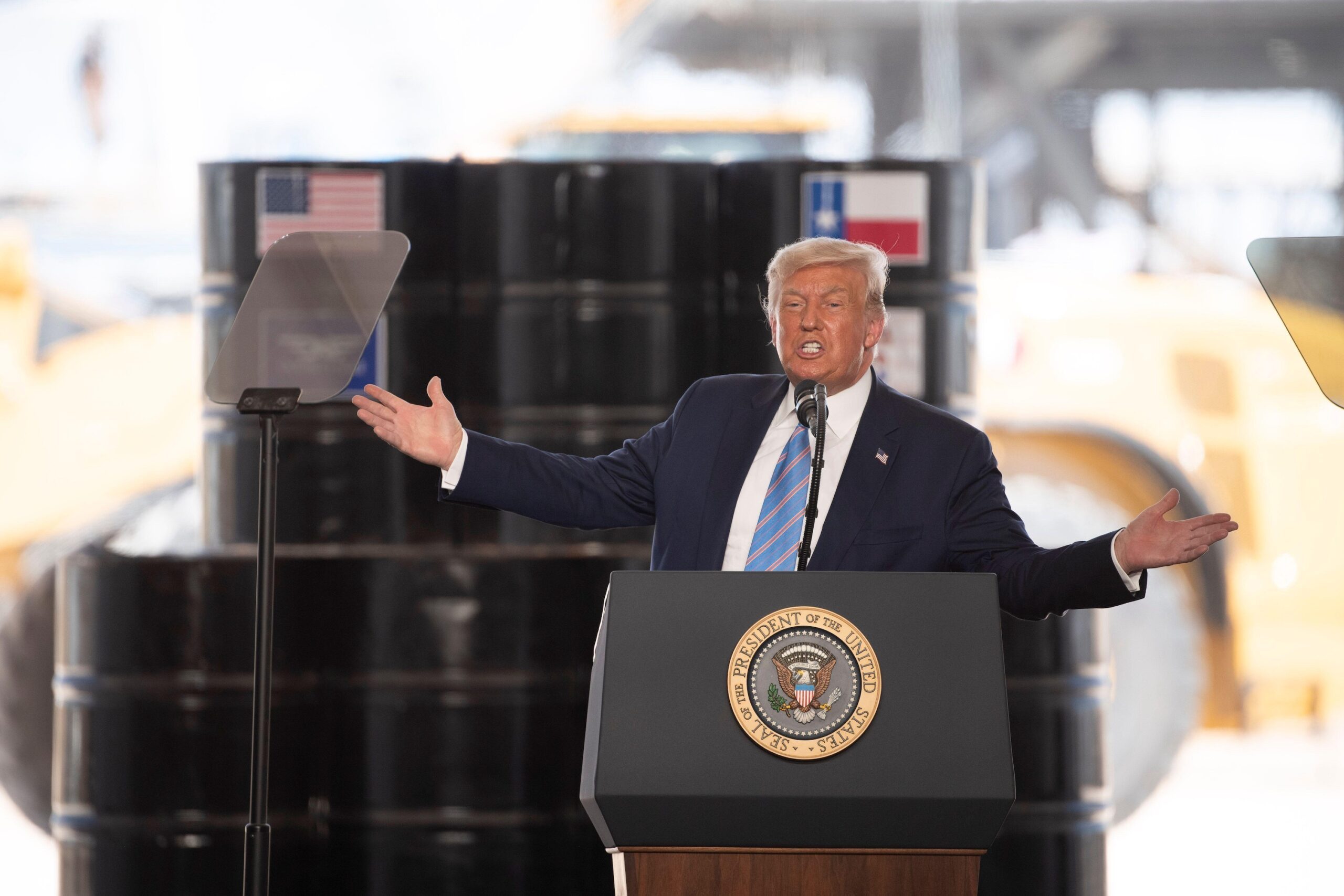
President Donald Trump has made significant changes to the US renewable energy landscape by halting new offshore wind projects. He stated, “We’re not going to do the wind thing. Big, ugly windmills. They ruin your neighbourhood.” This move is part of a broader strategy to reverse the climate measures implemented by his predecessor, which included a temporary withdrawal of offshore wind leasing and a freeze on spending programs through the Department of Energy.
Industry experts have raised concerns that these shifts could deter investments from stakeholders such as Masdar, the UAE’s leading renewable energy company, which has previously identified the US as a key growth market. Rachel Ziemba from Ziemba Insights noted that changes to the Inflation Reduction Act credits will increase costs and delays for investors, likely offsetting any advantages that might arise from the current US energy landscape.
Masdar has already committed approximately $1 billion to various renewable projects across the US, including wind, solar, and battery storage in states like California and Texas. They aim for a global renewable capacity of 100GW by 2030, with the US being a pivotal part of that strategy. The company, in collaboration with American investors, recently announced a $20 billion investment in US clean energy.
Despite this, analysts point out the economic challenges facing the wind industry. Ed Crooks from Wood Mackenzie highlighted that cost escalations of 40 to 60 percent in wind projects have occurred over the past decade, complicating the economics of new developments. Outside of the US, other international projects have also faced delays or cancellations, leading to increased focus on more cost-competitive energy sources like solar.
The unpredictability of US energy policy, which can shift significantly with each election cycle, is a major obstacle for long-term investment planning in renewables. As one industry insider remarked, “How can you plan long-term investments in renewables when the business environment changes every four years? It is impossible.”
Although Trump’s actions could jeopardize over $300 billion in potential federal green infrastructure funding, insiders believe that Masdar and other UAE companies are unlikely to publicly withdraw from their US investments due to their strategic partnership with the US government. Instead, they may pivot towards alternative energy sources, such as hydrogen, which still enjoys bipartisan support.
In summary, while Gulf investors like Masdar may remain engaged in the US market, the scale of future investments in renewable energy is likely to diminish without consistent governmental support. Masdar and Adnoc have chosen not to comment on the current situation, leaving questions about the future of their investments and the broader US renewable energy landscape.
The content above is a summary. For more details, see the source article.