


Key Takeaways
- Trump’s new executive order aims to establish a next-generation missile defense shield focused on peer adversaries like China and Russia.
- The initiative will develop space-based interceptors and enhance defenses against cruise missiles and hypersonic weapons.
- Current U.S. missile defense relies mainly on the Ground-Based Midcourse Defense System, which primarily addresses threats from rogue states.
Shift in Missile Defense Strategy
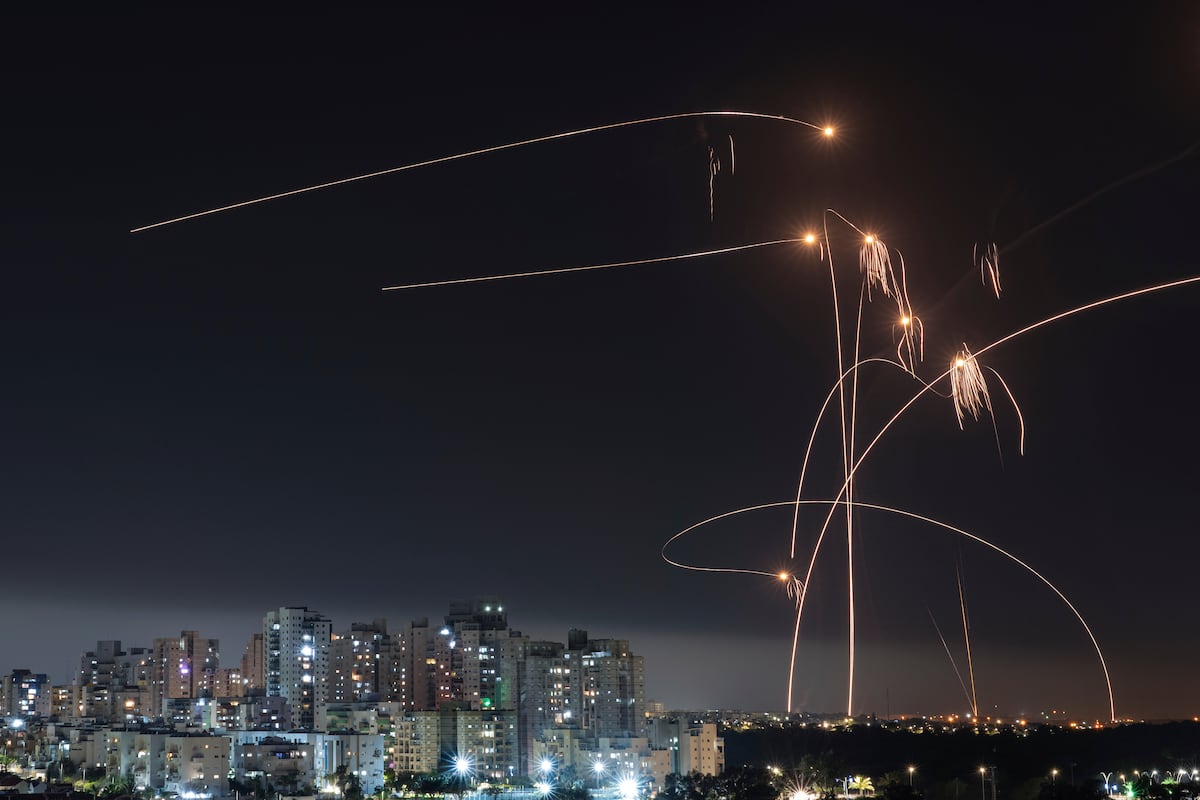
President Donald Trump’s recent executive order seeks to transform U.S. missile defense by developing a next-generation shield termed “The Iron Dome For America.” This effort recognizes shifting threats from peer rivals such as China and Russia, rather than the focus on rogue states like North Korea and Iran that has characterized past strategies.
The executive order emphasizes the necessity of defending against an expanding range of threats, including hypersonic weapons and cruise missiles, which present unique challenges for detection and response due to their ability to fly at lower altitudes. Tom Karako, a missile-defense expert, explained that foundational efforts will prioritize defenses against air and cruise missile threats before advancing to higher-tier threats.
In accordance with the order, the Defense Secretary is tasked with producing a comprehensive architecture design, outlining specific requirements, and creating an implementation plan for the defense shield within 60 days following its issuance.
Addressing Cruise Missile Vulnerabilities
The Pentagon has been exploring solutions for defending the U.S. homeland from cruise missile threats for several years, particularly during Trump’s first term. Current systems are more adept at intercepting ballistic missiles, which are easier to detect early. In contrast, cruise missiles, which can be launched from various platforms, require quick responses, complicating defense strategies.
The existing U.S. missile defense infrastructure primarily comprises the Ground-Based Midcourse Defense System, designed to counter long-range ballistic threats. This system relies on ground-based interceptors located in Alaska and California. The Missile Defense Agency is working on new interceptor technologies that are more adept at addressing complex threats.
Revisiting Space-Based Interceptors
The executive order also renews interest in space-based interceptors, a concept attempting to be revived after past technological and financial barriers. The order highlights that these interceptors could target incoming missiles during their initial “boost” phase, a strategy first proposed during the Reagan administration.
Previous legislative efforts, such as the 2018 National Defense Authorization Act, required the establishment of a space test bed; however, funding and support waned in subsequent years. Currently, attention has shifted to developing a space-based sensor layer capable of tracking advanced weapons, including hypersonic vehicles.
The debate surrounding space-based interceptors is contentious, with concerns about feasibility, high costs, and the potential for an arms race in space. Karako pointed out that space-based interceptors may not be effective against many threats, including cruise missiles, which fly closer to the earth, thus highlighting the complexities of space as a battleground.
This new executive order signals the beginning of crucial discussions regarding the future of missile defense and the role of space in national defense strategies, indicating that the United States is rethinking how to counter various modern threats in a rapidly evolving security landscape.
The content above is a summary. For more details, see the source article.









