


Key Takeaways
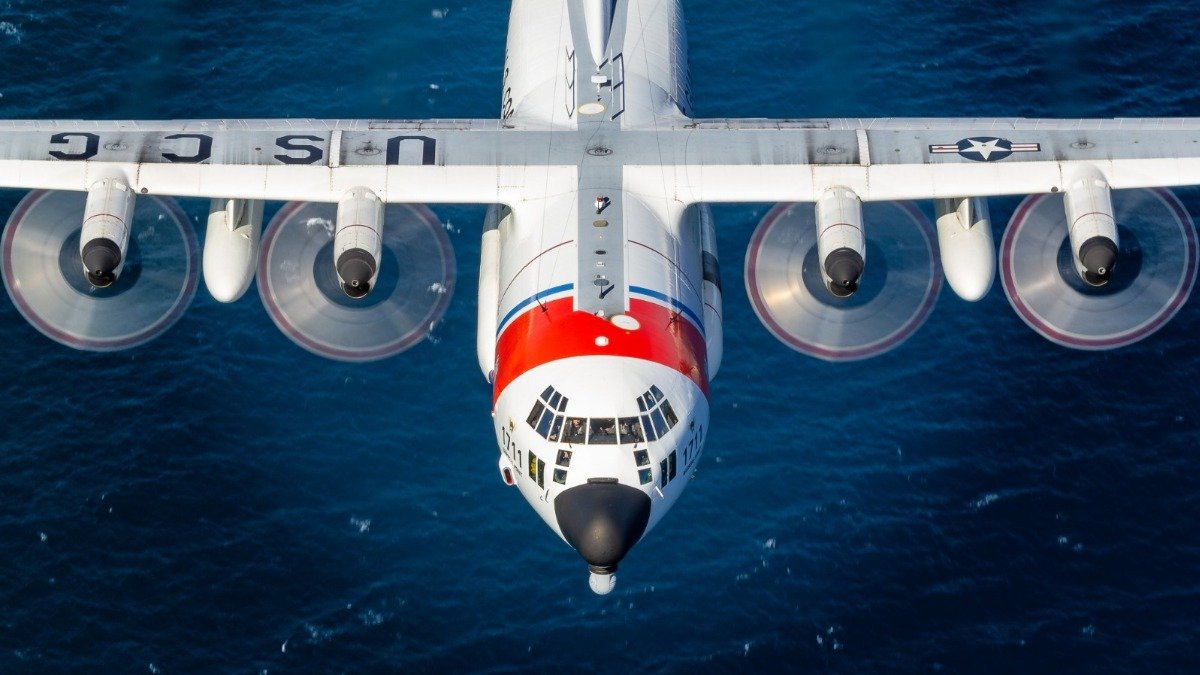
- The U.S. Coast Guard plans to convert C-130J aircraft into HC-130J surveillance planes, seeking industry input via a recent RFI.
- The project includes a base order for four aircraft, with options for additional planes for the Coast Guard and Customs and Border Protection.
- The initiative aims to begin modifications in fiscal year 2030, featuring advanced mission systems and satellite communication capabilities.
C-130J Surveillance Aircraft Conversion Initiative
The U.S. Coast Guard is actively seeking industry feedback to convert new C-130J transport aircraft into HC-130J surveillance planes to enhance its operational capabilities. A request for information (RFI) was posted on August 14, inviting stakeholders to contribute to market research prior to a forthcoming solicitation. Responses to the RFI are due by September 17.
This initiative encompasses an initial base order for four aircraft—three for the Coast Guard and one for Customs and Border Protection’s (CBP) Air and Marine Operations—with options for further aircraft. Altogether, the program anticipates a total of 28 surveillance aircraft for the Coast Guard and an additional 12 for CBP. The effort is part of a longer-term missionization program that will transform the aircraft through the installation of the Minotaur Mission System Suite (MSS+), a sophisticated system designed to optimize surveillance capabilities.
The draft performance work statement associated with the RFI articulates the project’s scope, detailing the components that will be integrated during the conversion process. Key elements include:
– Twin Minotaur Processors serving as the computational hub
– Two mission system operator stations installed on the flight deck
– A turret-mounted high-definition electro-optical and infrared sensor
– Multi-mode radar, identified in program documents as the EL/M-2022A
– A comprehensive communications package featuring various radio systems and an automatic vessel tracking system
Notably, the work statement also outlines plans for incorporating SpaceX’s Starshield satellite communications system into the HC-130J design. The Starshield Aero Terminal Kit will provide enhanced data transmission capabilities, with specifications calling for a minimum of 1 terabyte of monthly service.
A critical aspect of the initiative involves deciding whether to provide the multi-mode radar as government-furnished or contractor-furnished equipment. The draft work statement raises concerns regarding the lead times for necessary equipment, emphasizing that any changes may impact the Coast Guard’s timeline between contract award and aircraft induction.
The anticipated timeline for project execution includes induction for the first aircraft in October 2029, with subsequent aircraft expected to follow at intervals, based on funding and availability. The Coast Guard estimates that modifications to each aircraft will require no more than 12 months from induction.
The period of performance for the contract is anticipated to last from April 2028 until March 2038, not exceeding ten years in total. A formal solicitation may be released later in the year, contingent on insights gained from the RFI process. Companies opting not to engage with the RFI may risk disqualification from future bidding opportunities.
For this program, points of contact listed are Andrew Gordon and Mary Case, who will assist with inquiries related to the RFI.
The content above is a summary. For more details, see the source article.









