


Key Takeaways
- Uganda’s chili pepper cultivation has expanded under a cooperative FAO-China initiative, leading to its first export of 11 tonnes to China.
- Chinese experts selected disease-resistant varieties adapted to Uganda’s climate, helping boost cultivation and farmer incomes.
- A contract-based farming model has proven successful, with plans to increase annual production to 50,000 tonnes within five years.
Chili Pepper Initiative Boosts Ugandan Agriculture
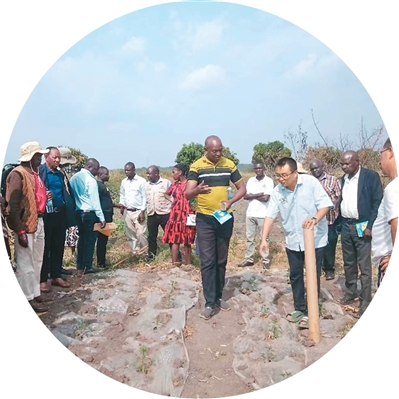
In Kamuli district, Uganda, the thriving chili pepper fields highlight the success of the FAO-China-Uganda South-South Cooperation project, which began in November 2022. The project has fostered significant growth in chili pepper cultivation, with Uganda exporting its first-ever shipment of 11 tonnes of dried chili peppers to China last November.
Long Wenjing, a researcher involved in the initiative, emphasized the importance of selecting appropriate chili pepper varieties to enhance local production. With Uganda’s favorable climate for year-round cultivation, the team evaluated over 30 varieties to identify three high-yield, disease-resistant cultivars suited to the local conditions. The iconic Sichuan Province varieties were prioritized for their adaptability.
A critical hub for this initiative, the China-Uganda Agricultural Cooperation Industrial Park, has attracted investments from Chinese regions known for chili production. By 2024, the park expanded its demonstration area to over 500 mu (33 hectares) and employed a 16-member team of Chinese and Ugandan technicians to streamline cultivation.
Partnerships played a significant role in the project’s success. The Busoga Consortium for Development collaborated with Chinese experts and chili companies to provide extensive technical support. As a result, chili peppers are now recognized in Uganda as a key cash crop, considerably increasing farmer incomes—up to three times that of traditional crops.
The project’s innovative approach includes models that integrate companies, production bases, and local farmers, encouraging a shift toward chili pepper cultivation. Early harvest results have been promising, boosting confidence among farmers.
Following the establishment of a protocol for exporting dried chilies to China at the FOCAC summit in 2024, Uganda has positioned itself for significant growth in the chili pepper market. China’s zero-tariff policy for African diplomatic partners further enhances competitiveness, allowing for new market opportunities.
To nurture local expertise, the Sichuan Academy of Agricultural Sciences set up a workstation in Uganda. Over three years, Long has trained many Ugandan technicians, ensuring sustainable growth in the sector. The project ambitions include piloting cultivation across nine regions, aiming for an annual production target of 50,000 tonnes of dried chilies within five years.
The content above is a summary. For more details, see the source article.









