


Key Takeaways
- Ukraine has signed a deal with Sweden to procure Gripen E fighters, with deliveries expected to commence in early 2029.
- A separate agreement for the transfer of 16 Gripen C/D fighters is planned, beginning in early 2027.
- Ukrainian pilots are already training in Sweden for operating the Gripen aircraft while funding comes from the EU’s Ukraine Support Loan.
New Agreement on Fighter Jets
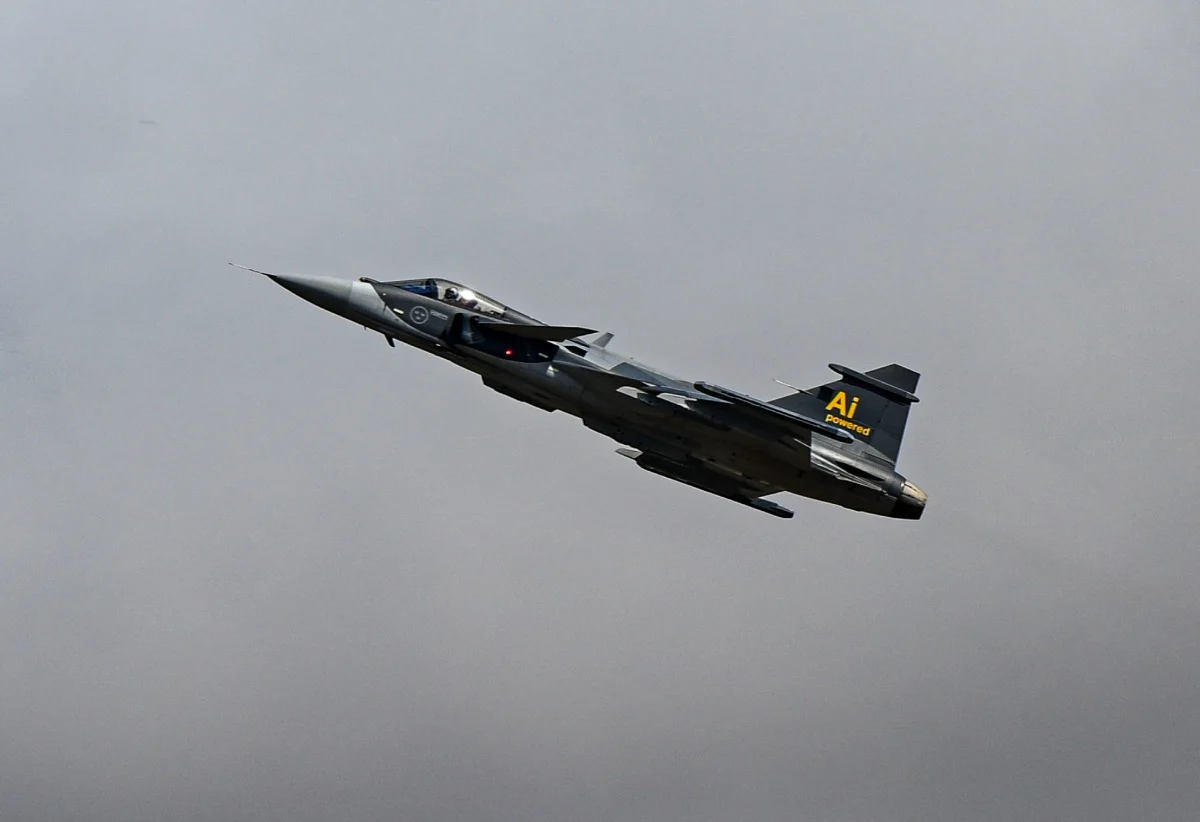
Ukraine and Sweden have formalized an agreement for the procurement of Gripen E fighters, with deliveries slated to start in early 2029, according to a report from Militarnyi. This significant development was announced during a signing ceremony attended by Ukrainian President Volodymyr Zelensky and Swedish Prime Minister Ulf Kristersson. The deal encompasses not just the aircraft but also the necessary equipment, logistics, and technical support needed to operate a modern fleet.
Additionally, Sweden has committed to transferring 16 Gripen C/D fighters from its active fleet, with these deliveries commencing in early 2027. This arrangement, confirmed during a joint press conference on May 28, 2026, marks a substantial gesture from Sweden, representing close to one-sixth of its operational Gripen C/D fighters. The donated models come fully equipped with NATO-standard weapons and systems, ready for immediate use in frontline operations.
The Gripen E represents a modern advancement in the fighter aircraft category, featuring enhanced radar, sophisticated electronic warfare systems, and a more powerful engine compared to the older Gripen C/D models. Zelensky emphasized the importance of the Gripen E for Ukraine during the May conference, noting its technological sophistication parallels that of the American F-35.
Financing for the Gripen E acquisition will be facilitated through the European Union’s Ukraine Support Loan, which totals €90 billion ($103 billion). The plan includes allocating €2.5 billion ($2.8 billion) from the loan for the procurement of up to 20 Gripen E/F fighters. There are some discrepancies in reported figures regarding the specific number of aircraft and the exact timeline for deliveries, which remain unresolved.
The suitability of the Gripen aircraft for Ukraine’s operational needs stems from its design philosophy, which dates back to the Cold War. This platform was engineered for scenarios where air bases could be compromised, allowing the aircraft to operate from short runways and rural roads, thereby mitigating vulnerability to missile strikes. Ukrainian pilot Vadym Voroshylov emphasized the aircraft’s operational advantages, including the reduced risk of debris ingestion thanks to its side-mounted air intakes.
Military experts have noted that the Swedish Air Force has historically focused on field maintenance capabilities, enabling them to operate effectively under pressure. Saab and Voroshylov highlight that the Gripen can be refueled and rearmed in about ten minutes, maximizing sortie generation.
The wider Gripen collaboration traces back to an October 2025 letter of intent, outlining Ukraine’s aspiration to acquire up to 150 Gripen E aircraft. This would mark a milestone as the largest export contract in Saab’s history. While Ukrainian pilots have already test flown the Gripen and provided favorable feedback, funding for actual procurement had not been secured prior to this recent agreement.
This new Gripen partnership is pivotal for Ukraine, which currently operates a mixed fleet of older fighter models from various Western nations and lacks a cohesive, purpose-built air force. The Gripen deal signifies Ukraine’s first major step toward establishing a standardized, NATO-compatible fighter platform.
The content above is a summary. For more details, see the source article.









