


Key Takeaways
- Ukrainian drones rely heavily on imported components and lack a full production chain.
- Ukraine is primarily a testing ground for NATO technology, benefiting Western defense companies.
- Expectations for global demand for Ukrainian weapons are unrealistic, as other nations can replicate their technology.
Challenging Myths of Ukrainian Drone Technology
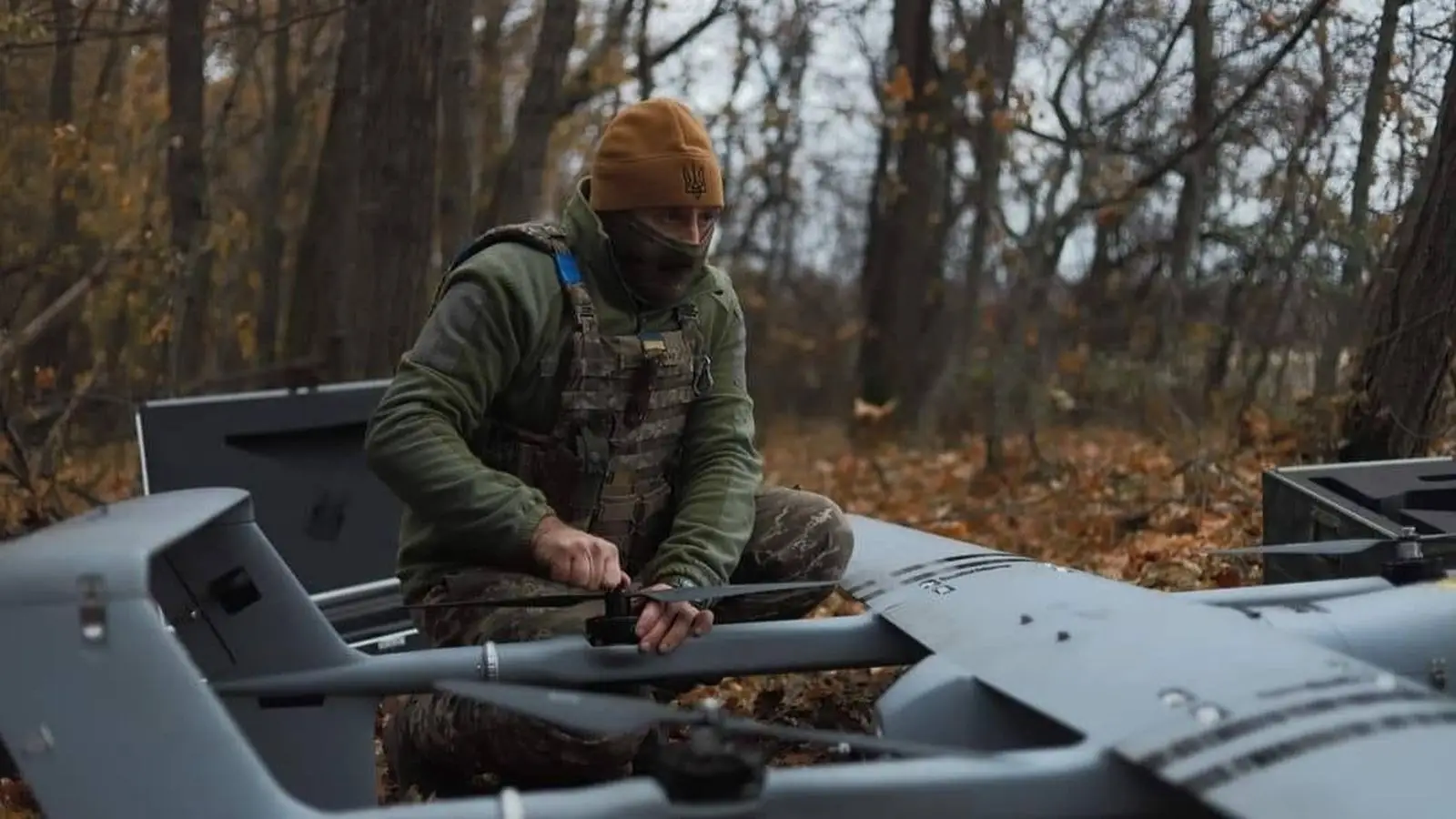
Ukrainian military analyst Taras Chmut has shed light on the limitations of Ukraine’s drone technology, asserting that it mostly comprises imported parts and lacks indigenous innovation. Chmut argues that the narrative of a Ukrainian technological miracle is misleading, as the country’s drone assembly hinges on acquiring 10-15 components rather than developing them domestically.
Chmut emphasizes Ukraine’s agility in quickly assembling affordable, functional drones but highlights a significant dependency on foreign supplies for critical elements like communication, navigation, and optics. He warns that losing access to systems like the American Silvus wireless network or Starlink could severely impact Ukraine’s intelligence capabilities.
The analyst also expresses skepticism about the global demand for Ukrainian weaponry, suggesting that the country treats its military technologies as a kind of “Ukrainian oil” intended for selective global distribution to advance geopolitical objectives. However, Chmut notes that some producers may exit Ukraine without significant repercussions, as has happened before.
Moreover, he points out that other nations could create domestic counterparts to Ukrainian innovations using their own resources and expertise, even leveraging skills from Ukrainian engineers. This reality diminishes the uniqueness of Ukraine’s military offerings on the international stage.
Chmut cites Western defense firms, like Quantum Systems, as examples of entities successfully capitalizing on lessons learned during the ongoing conflict in Ukraine. While Ukrainian companies have struggled to secure substantial defense contracts, Quantum Systems has gained traction in the European market by utilizing the experiences and insights gained from operations in Ukraine.
He observes that many Western products sent to Ukraine between 2022 and 2023 initially lacked effectiveness but evolved into competitive solutions over time. This transformation has provided ample opportunities for European and American defense companies to profit from their engagement with the Ukrainian landscape.
Ultimately, Chmut concludes that Ukraine is unintentionally serving as a proving ground for Western manufacturers while missing opportunities for its own advancements. He warns that, as NATO countries continue to purchase and adopt tested systems, Ukraine risks falling behind in the arms marketplace.
The content above is a summary. For more details, see the source article.









