


Key Takeaways
- The Kyiv Security Forum highlighted the urgent need for Western defense industries to adapt quickly to innovations spurred by Ukraine’s wartime experience.
- Ukraine’s emphasis on speed and adaptability in defense technology offers lessons for NATO and European partners facing potential conflicts.
- Participants warned that reliance on outdated strategies will hinder effectiveness against emerging threats from Russia and elsewhere.
Transforming Warfare Through Innovation
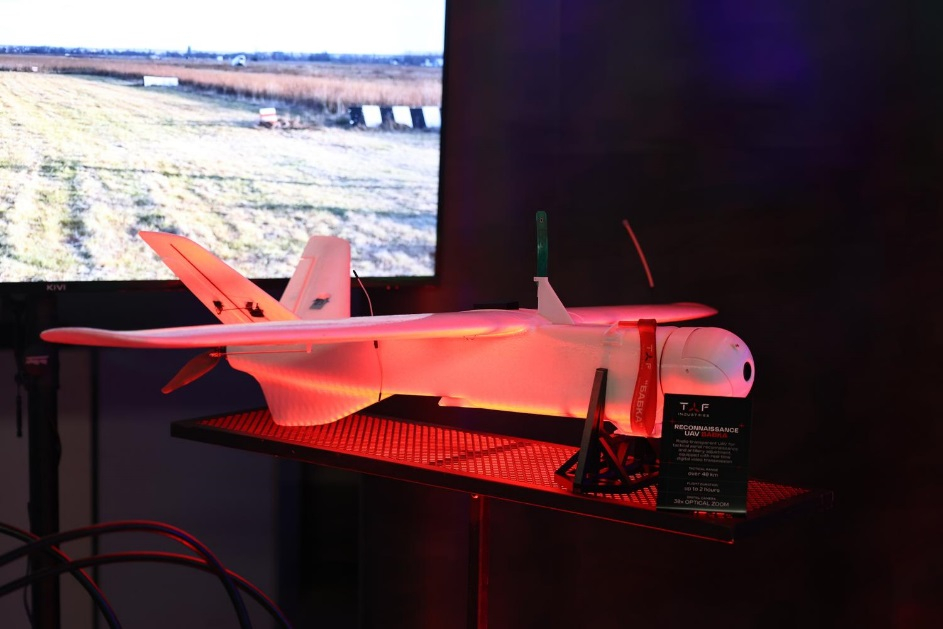
At the Kyiv Security Forum, defense leaders and entrepreneurs from Ukraine delivered a stark message: the next European war is already playing out in Ukraine, and the West must act swiftly to adapt. During the “Defence Technology Forum; Innovation Wins Wars” panel, prominent figures, including military commanders and tech innovators, discussed how current conflicts have reshaped military technologies like drones and artificial intelligence.
Ukrainian representatives expressed concern over the Western approach to defense procurement, which often relies on outdated models. They emphasized the importance of speed in developing and deploying technology, asserting that it is the primary advantage in modern warfare. While Ukraine continues to refine its military strategies and technologies under duress, many Western nations remain slow to adapt.
Key panelists included Yaroslav Azhnyuk, CEO of The Fourth Law, and Oleksandr Berezhnyi, managing director of Quantum-Systems Ukraine. They shared insights on what effective collaboration between Ukraine and Europe should entail. Berezhnyi specifically pointed out the necessity of integrating battlefield feedback into manufacturing processes. He warned that simply replicating Ukrainian designs without understanding the underlying operational processes would undermine effectiveness.
This synergy between industry and military was echoed by Col. Mykyta “Raz-Dva” Nadtochii, deputy commander of the 1st Corps Azov of Ukraine’s National Guard. He stressed that the real goal of technological advancement is not profit but ensuring victory against the enemy. Nadtochii urged foreign partners to look beyond mere military experience and grasp the importance of agile production methods that can respond to fast-evolving combat situations.
Moreover, Major General Constantin-Adrian Ciolponea of NATO echoed that the conflict in Ukraine serves as a real-time laboratory for modern warfare, illustrating the urgent need for adaptations in NATO’s approach to drone technology and tactical operations. He noted that advancements in drone use have drastically altered the battlefield, showcasing both offensive and defensive capabilities now essential for survival.
Participants unanimously underscored the need for a change in procurement models. Azhnyuk proposed a subscription service for defense technologies, similar to “Netflix for drones,” which could offer states an adaptive and continual capability rather than static equipment.
The panelists closed with a strong message; the urgent need for European countries to prioritize military preparedness has never been greater. As Ukraine continues to respond to an evolving war landscape, it holds strategic advantages rooted in real-world experience—lessons that are critical for Western allies if they wish to maintain their security in an increasingly uncertain global climate. The call to action was clear: Europe must leverage these insights now, rather than waiting for future conflicts to exact a heavier toll.
The content above is a summary. For more details, see the source article.









