


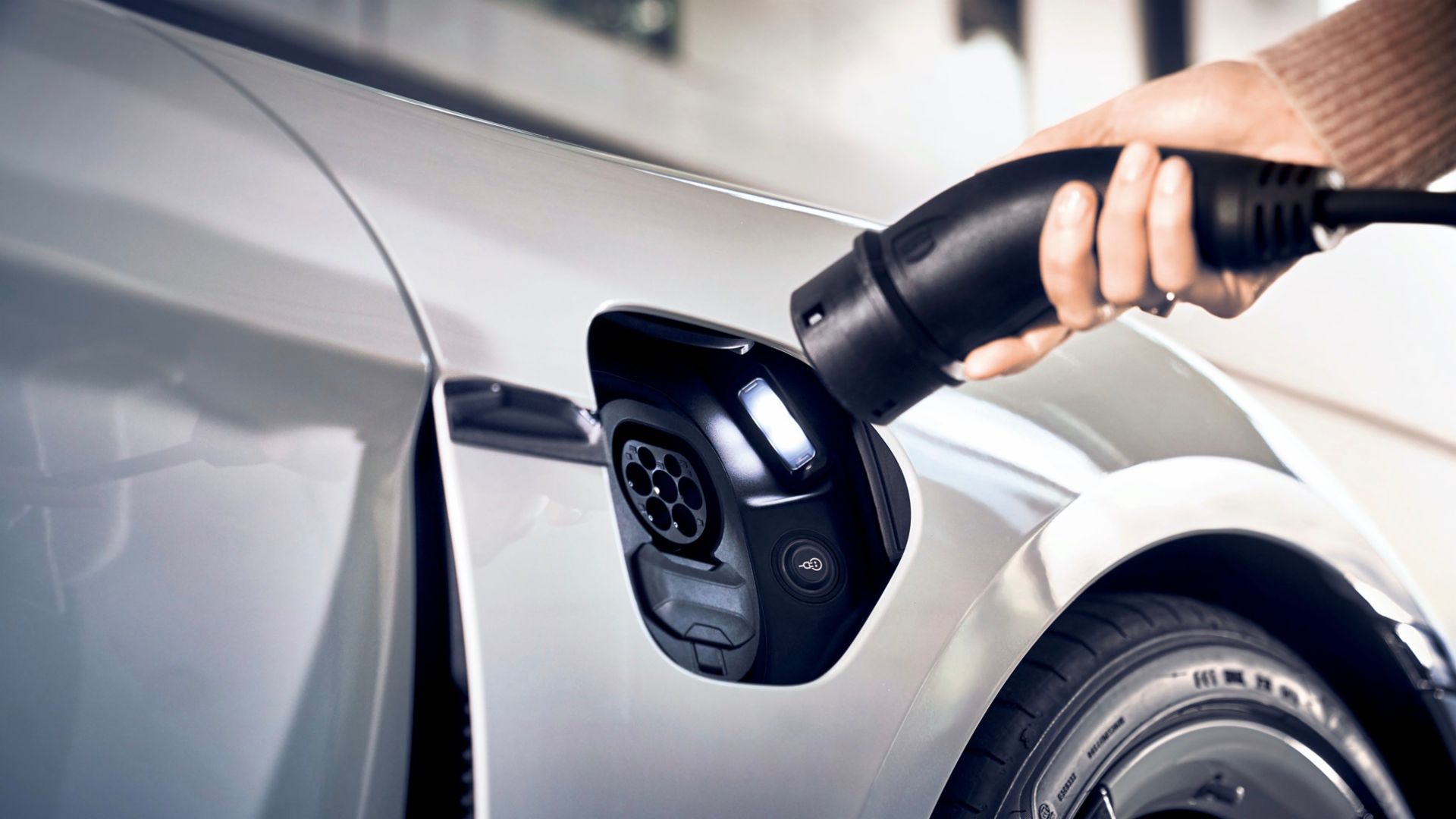
Key Takeaways
- Charging infrastructure for EVs is improving, with increasing numbers of public chargers and compatibility among brands.
- Understanding different charging types (AC, DC, L1, L2, and L3) is essential for effective EV ownership.
- The future of EV charging includes advancements like wireless charging and bidirectional capabilities.
Overview of Electric Vehicle Charging
For potential electric vehicle (EV) buyers, the question of charging can often be a major concern. However, improvements in the public charging network and the growing acceptance of standardized charging systems are alleviating many fears. With the number of EVs on the road in 2024, public charging is more accessible, and brands like Tesla are increasingly standardizing charging connectors across their vehicles, simplifying the charging experience for all owners.
Shifting from gasoline to electric requires a change in mindset regarding fueling. Instead of thinking in terms of infrequent “fill-ups,” EV owners will benefit from adopting a routine similar to charging smartphones—plugging in whenever possible. This routine helps reduce anxiety about battery levels and ensures that drivers are always ready for their journeys.
A key component of understanding EVs is familiarity with the types of charging available. Charging can broadly be classified into two types: alternating current (AC) and direct current (DC). AC is commonly used in home charging solutions, while DC is utilized in faster commercial chargers. Within these categories, charging is further classified into levels: Level 1 (L1) allows for the slowest charging, typically from a standard household outlet, while Level 3 (L3) indicates fast DC charging from specialized stations.
For home charging, many EVs feature a Level 2 charger, which is more efficient and can recharge most vehicles overnight. It’s generally recommended to install a Level 2 charger for optimal performance. Calculating the necessary circuit requirements for home charging—while adhering to the 80% rule for safety—ensures that the installation operates efficiently without overloading the electrical system.
When seeking charging options, familiarity with charging stations is fundamental. Current EVs come equipped with apps that can assist drivers in locating nearby chargers, but using independent apps can enhance route planning and charging efficiency. Some charging locations include destination chargers at workplaces or commercial spaces, while fast chargers are typically found along highways for travelers.
Future advancements may further redefine the charging landscape. Wireless charging technology is on the horizon, allowing for a more seamless charging experience without the need to physically plug in. Additionally, bidirectional charging could enable EVs to supply power back to homes or the grid, offering increased flexibility and potential energy savings.
As the EV landscape evolves, so too does the etiquette surrounding charging. Practical considerations include not monopolizing charging stations longer than necessary and using connectors appropriately relative to the vehicle’s charging capabilities. Learning about the evolving world of EV charging ensures that both new and experienced users can navigate this transition smoothly.
In summary, understanding EV charging—its types, processes, and future technologies—can significantly enrich the experience of owning an electric vehicle, paving the way towards a more sustainable driving future.
The content above is a summary. For more details, see the source article.









