


Key Takeaways
- Massachusetts is rapidly expanding battery storage facilities to enhance clean energy and grid reliability.
- Concerns persist about safety and community engagement, particularly near residential areas.
- Improvements in battery technology have significantly reduced risks, yet public transparency remains a priority for residents.
Growing Battery Storage in Massachusetts
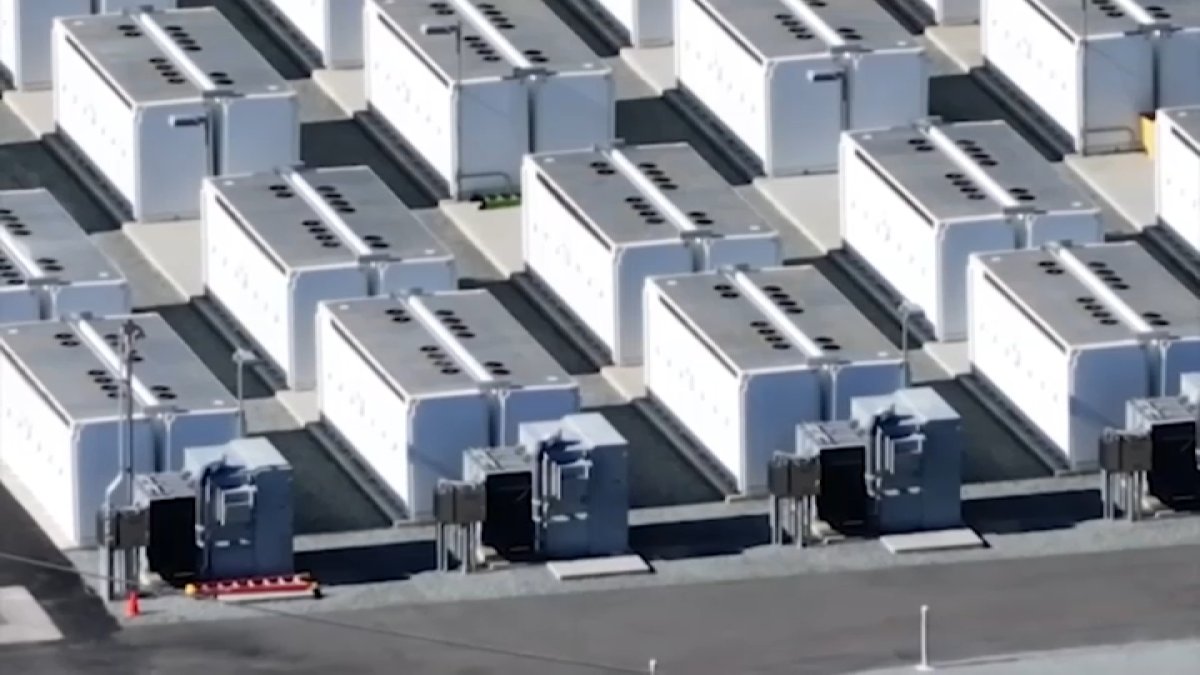
Battery energy storage systems are on the rise in Massachusetts, designed to store electricity for later use during peak demand. These facilities serve as vital backup power sources and help avert the costs of new infrastructure. Massachusetts has deployed thousands of smaller battery systems and is now exploring larger, utility-scale projects to bolster renewable energy sources such as wind and solar.
One significant initiative is the proposed Jupiter Power project in Everett, which aims to be the largest battery storage facility in Massachusetts, possibly even New England. Residents view its location in an industrial area as appropriate, although some express lingering concerns about fire hazards and safety.
Assessing Safety and Technology
Concerns over battery fires, evidenced by incidents across the country, have sparked debates on safety. However, researchers report a remarkable 99% reduction in battery failure rates over the past seven years due to enhanced safety standards and improved system designs.
Experts emphasize that modern safety regulations and lessons from past issues have led to a robust framework aiming to minimize risks associated with large-scale battery storage facilities.
The Importance of Battery Storage
Battery storage is essential in transitioning to renewable energy, especially given the intermittent nature of solar and wind power. These systems allow for energy generated during peak production times to be stored and utilized later, reducing emissions and potentially lowering energy costs.
Community Concerns
While industrial zone projects face less opposition, proposed battery facilities near residential neighborhoods encounter greater resistance. In Saugus, plans for a new facility near homes and public spaces have raised alarms among local residents about long-term health impacts and safety.
Public discussions emphasize the demand for transparency and informed decision-making to ensure community voices are heard in the planning process. Residents call for independent reviews to confirm safety before construction begins.
Next Steps for Battery Projects
Many planned battery storage projects, including the one on the Saugus-Revere line, remain in early development phases. These undertakings require thorough local and state approvals, encompassing environmental assessments, fire safety strategies, and public consultations. The timeline for these processes is often lengthy, and no final decisions have been reached yet.
The content above is a summary. For more details, see the source article.









