


Key Takeaways
- The U.S. State Department has approved a $24.3 billion sale of 48 F-35 fighter jets to Saudi Arabia, contingent on congressional approval.
- This sale marks a significant shift in U.S. military policy, potentially altering the balance of power in the Middle East.
- The deal ties into Saudi Arabia’s modernization efforts and defense cooperation with the U.S., despite potential congressional pushback.
Overview of the Proposed F-35 Sale
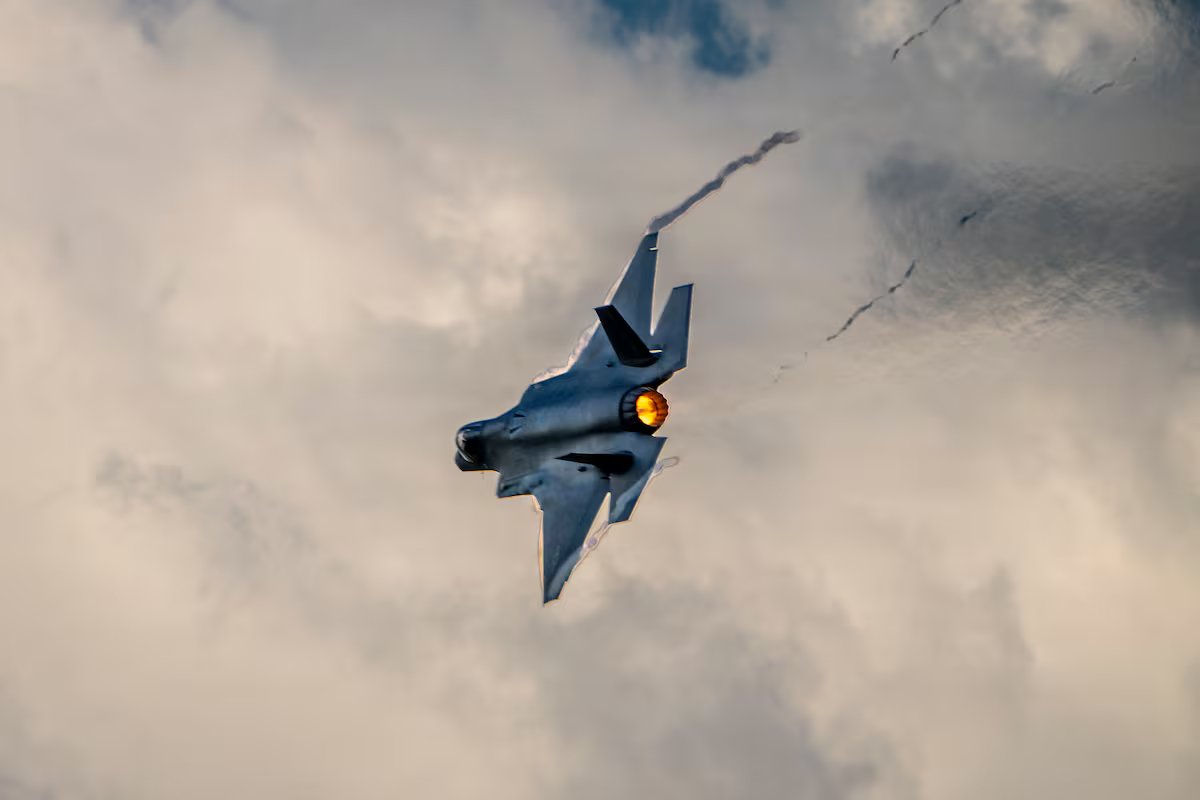
The U.S. Department of State has announced the approval of a potential sale of Lockheed Martin’s F-35 Lightning II fighter jets to Saudi Arabia, representing a notable shift in U.S. military policy in the region. The proposed deal, valued at approximately $24.3 billion, would include 48 aircraft and 49 Pratt & Whitney engines, along with associated communication equipment and spare parts. However, this sale is pending congressional approval.
Historically, Washington evaluates arms sales to Middle Eastern nations with a focus on preserving Israel’s “qualitative military edge.” This policy ensures that Israel receives more advanced weapons than its Arab neighbors. The Saudi embassy welcomed the proposed sale, emphasizing the strengthening of defense relations between Riyadh and Washington.
The F-35, known for its stealth capabilities, is recognized as the most advanced fighter jet globally. Israel, which has operated the aircraft for about a decade, remains the only country in the region with access to this technology. Saudi Arabia’s interest in the F-35 is part of its broader strategy to modernize its air force and counter regional threats, particularly from Iran. The kingdom has expressed a desire for two squadrons of these fighters.
The renewed push for the F-35 is part of a wider defense strategy by the Trump administration, which has indicated a willingness to strengthen military ties with Saudi Arabia. The country has long been the largest purchaser of U.S. arms, with previous deals reaching nearly $142 billion as part of the largest defense cooperation agreement to date. Saudi Arabia’s air force currently operates a range of fighter jets, including the Boeing F-15 and European Tornados and Typhoons.
Diplomatic considerations are also integral to the F-35 discussions. The Biden administration had previously contemplated including F-35s in a broader deal that would involve normalizing relations between Saudi Arabia and Israel. However, those negotiations stalled. Trump’s administration has made arms sales to Saudi Arabia a top priority since his return to office, signaling ongoing support for bolstering the kingdom’s military capabilities.
Despite the proposed sale’s potential implications, congressional scrutiny remains a significant hurdle. Lawmakers have expressed concerns about past arms deals with Saudi Arabia, particularly in light of the 2018 murder of journalist Jamal Khashoggi. Some members of Congress are cautious about deepening military cooperation with the kingdom.
Saudi Arabia is undergoing ambitious economic and military modernization under Crown Prince Mohammed bin Salman’s Vision 2030 initiative. The kingdom aims to diversify its defense partnerships while maintaining its long-standing security relationship with the United States. The proposed sale of F-35 jets underscores these ongoing efforts and the evolving dynamics of U.S.-Saudi relations in an increasingly complex geopolitical landscape.
The content above is a summary. For more details, see the source article.









