


Key Takeaways
- The US has expanded its ban on foreign hardware to include robot vacuum cleaners and other advanced robots due to national security concerns.
- The ban does not affect existing products authorized by the FCC, allowing current robot vacuums to remain in use and continue receiving updates.
- Affected manufacturers may seek exemptions, but past efforts for Chinese drone and router firms suggest challenges ahead.
US Expands Ban on Foreign Technology to Advanced Robots
The White House has announced an extension of its ban on foreign hardware, now encompassing foreign-made robot vacuum cleaners and other advanced robots. This move is part of a broader initiative to mitigate national security risks associated with foreign technology. The inclusion of these household devices raises eyebrows, leading to questions about the actual threat posed by robot vacuums, particularly from countries like Russia or Iran.
Under the new regulations, the ban specifically targets “advanced robotic devices,” defined as autonomous mobile robots, humanoid robots, and quadrupeds capable of navigating and weighing over 4.4 lbs, including any associated docking stations. This classification means that many popular robot vacuums and lawn mowers fit the criteria and will be impacted.
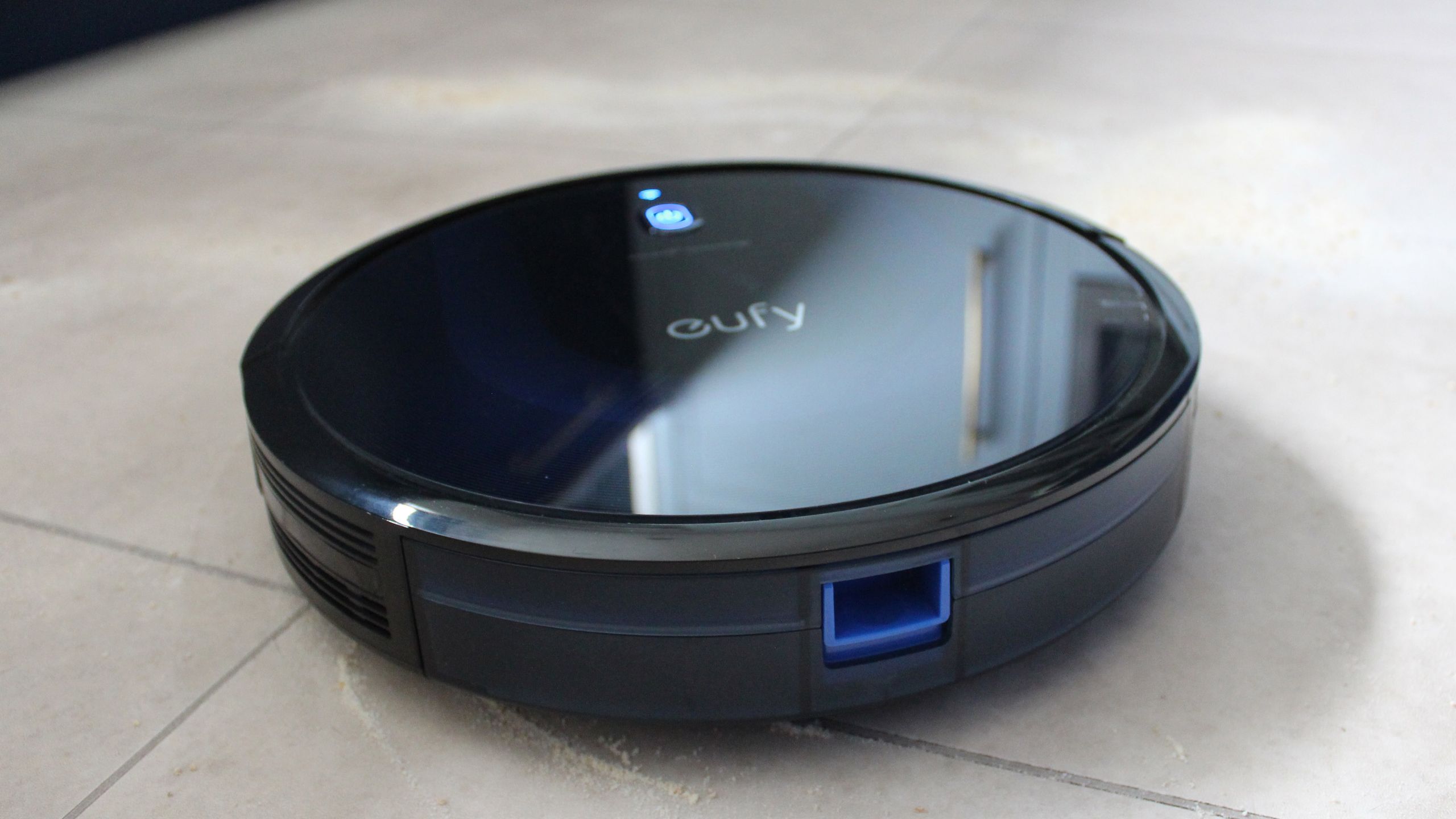
However, the ban does not necessitate the surrender of devices already in consumers’ homes. Existing models that have received FCC approval can still be sold and remain operational. Eric Villines, Chief Communications Officer at Anker Innovations, which oversees the Eufy brand, confirmed that their current products remain unaffected in terms of sales and support. He noted that both consumers and manufacturers are eager for clarity on how these new regulations will apply to future products.
Retailers are permitted to continue selling and marketing previously approved models, thus ensuring the availability of existing robot vacuum options in the market. The FCC has indicated that these products could continue to receive software and firmware updates aimed at consumer safety at least until January 1, 2029. However, if the FCC does not extend this provision, there may be limited support options for new Chinese-made robotic vacuums moving forward.
With major robot manufacturers primarily hailing from China, the impact of this ban could be significant. Subsequent attempts to lobby the FCC for exemptions may be necessary, especially considering the varied capabilities of different robots. The line between practical household assistants and more advanced robotic technologies needs careful consideration. Nonetheless, past experiences with other foreign technology bans suggest that these efforts may face significant hurdles.
The implications of this evolving regulatory landscape emphasize the balance between national security and consumer technology freedoms, signaling a complex future for foreign-made high-tech household devices in the U.S. market.
The content above is a summary. For more details, see the source article.









