


Key Takeaways
- The U.S. and Japan are becoming key production hubs for Samsung and SK hynix as they expand semiconductor capacity for AI.
- Japan offers a robust ecosystem and government subsidies, while the U.S. provides proximity to major clients and significant funding incentives.
- Both companies are investing heavily in local manufacturing alongside international expansions to meet growing demand.
Expansion Plans in Semiconductor Production
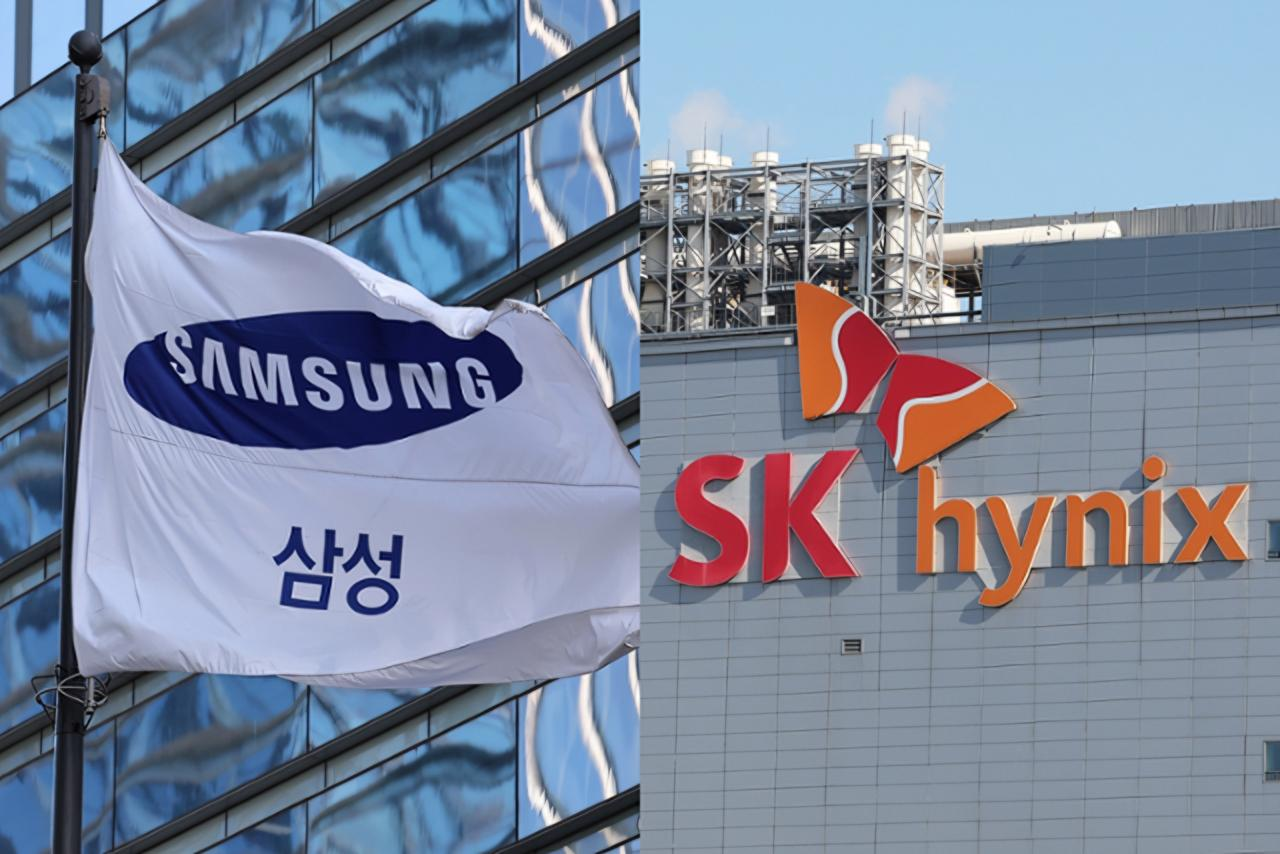
Samsung Electronics and SK hynix are positioning the U.S. and Japan as major production bases to meet rising demand for artificial intelligence (AI) semiconductors. The shift is driven by competitive advantages offered by both countries.
In the U.S., chipmakers benefit from proximity to key customers like Nvidia and Tesla, coupled with government incentives that are designed to minimize investment risks. The U.S. government is backing domestic semiconductor development with up to $4.7 billion for Samsung’s new facility in Texas, which is set to produce Tesla’s next-generation AI chips using a cutting-edge 2-nanometer process.
Japan, on the other hand, boasts a well-established ecosystem that includes leading semiconductor equipment and materials suppliers. Major companies such as TSMC and Micron have already invested in manufacturing with substantial government support. The Japanese government plans to allocate up to 1.2 trillion yen (approximately $7.73 billion) in subsidies to facilitate these ventures, making it an attractive location for SK hynix, which is considering potential partnerships and joint ventures in the region.
The interest from SK hynix is reinforced by the country’s strong manufacturing base and existing suppliers that can provide essential resources. SK Group Chairman Chey Tae-won has highlighted the allure of Japanese collaboration in future production and research efforts.
Despite Japan’s appeal, the United States remains a key option due to increasing pressure from Washington for foreign chip producers to amplify their local manufacturing. Samsung is set to open an advanced foundry in Taylor, Texas, with an eye on future expansions. Simultaneously, SK hynix’s new facility in Indiana aims to enhance its packaging capabilities and utilize memory wafers from Korea.
Both companies are also ramping up investments in their home markets. SK hynix has recently committed approximately 54.3 trillion won to new fabrication facilities in South Korea, while Samsung is furthering plans for domestic semiconductor expansion with new fabs in Gwangju. This dual strategy of investing abroad while strengthening local production underlines their commitment to maintaining a competitive edge in the fast-evolving semiconductor landscape.
As tariffs and trade policies shift, U.S. officials have indicated that companies should expect targeted tariffs based on their manufacturing decisions—higher costs for those not producing locally. This evolving landscape places Samsung and SK hynix at a critical juncture as they adapt their strategies to navigate both international and domestic demands.
The content above is a summary. For more details, see the source article.









