


Key Takeaways
- The U.S. Navy is facing severe logistical challenges and increased operational pressures, impacting the well-being of sailors.
- The Navy’s deployment issues and insufficient maintenance have led to extended deployments and a shortage of carriers.
- Lawmakers are demanding greater transparency and accountability from the Pentagon regarding military operations amidst mounting concerns for sailors’ mental health.
Operational Challenges in the U.S. Navy
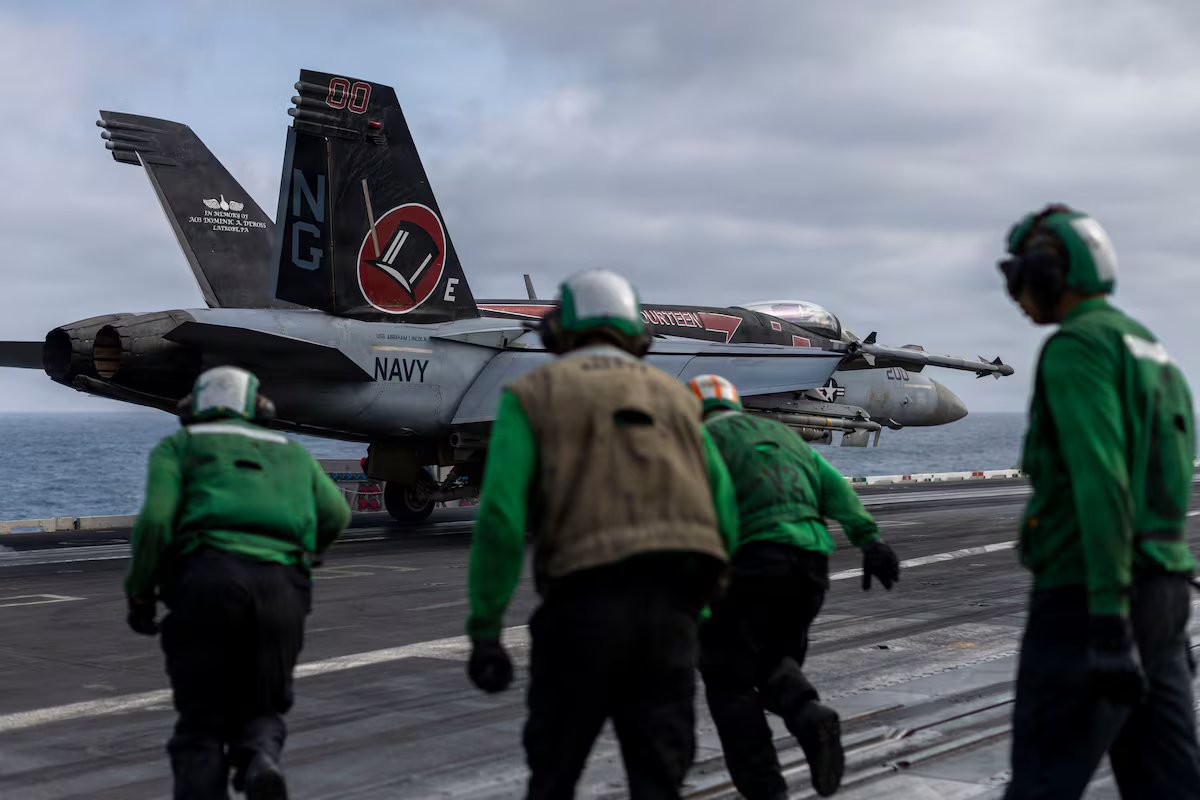
Vague operational planning and a lack of transparency regarding U.S. actions in Iran have intensified longstanding problems in the Navy, particularly with logistics, maintenance, and manpower. Service members aboard the USS Abraham Lincoln have reported deteriorating mental health conditions after being deployed for over 250 days without a port visit. This situation highlights the negative consequences sailors face due to existing flaws in the Navy’s structure, worsened by current military operations.
The Navy has consistently struggled to meet high operational demands. Extended deployments and missed maintenance schedules, combined with a slow shipbuilding pace, have resulted in an undersized fleet, a problem persisting through multiple administrations. While officials, including President Donald Trump, have downplayed these concerns, both sailors and retired military leaders advocate for immediate reforms. Adm. Daryl Caudle, chief of naval operations, emphasized that caring for sailors is critical to maintaining combat readiness.
In response to criticism regarding the Lincoln’s conditions, the Navy has deployed the USS George Washington from the Indo-Pacific to the Middle East as a replacement. This decision temporarily leaves the western Pacific without a U.S. aircraft carrier, complicating military efforts in the region.
Retired Vice Adm. Fozzie Miller acknowledged that the Navy has long operated under tough conditions but emphasized the vital need for more warships. As of now, the Navy operates with 11 carriers, despite demands suggesting a need for 15. This shortage has become even more alarming with the impending retirement of the USS Nimitz, further lowering carrier availability in coming years.
The Navy’s adoption of the Optimized Fleet Response Plan (OFRP) aimed to streamline maintenance and deployment schedules. However, findings from the U.S. Government Accountability Office have revealed that operational demands have caused deployments to lengthen and maintenance to be deferred, compounding existing issues and reducing ship readiness.
Logistical challenges have also intensified as Iranian attacks affected the Navy’s operational supply chain in Bahrain, forcing it to relocate its logistics hub to Diego Garcia, over 2,000 miles away from regional operations. This has led to significant supply delays, with reports of sailors struggling to secure basic necessities such as food and maintenance supplies during their deployment.
Mental health issues among Navy personnel have also escalated, with reports of suicide attempts and an overall decline in morale. While sailors often fear seeking help due to stigma and workplace repercussions, the Navy has stated that it will deploy additional mental health resources to affected crews.
Transparency around Navy operations has increasingly come into question. The Pentagon has faced criticism for its communication practices, with officials reluctant to share necessary information with Congress. Lawmakers have called for invoking the War Powers Resolution to enhance oversight of military deployments, arguing for the right to hold the administration accountable for its actions during the ongoing Iran conflict.
In conclusion, as these operational and logistical issues continue to impact the U.S. Navy, the need for a sustainable long-term plan has never been more urgent. Sailors report that the current strategies fail to address fundamental needs, leading to an unsustainable operating environment that threatens both their well-being and mission effectiveness.
The content above is a summary. For more details, see the source article.









