


Key Takeaways
- Today, the U.S. imposed sanctions on hundreds of firms globally accused of aiding Russia’s war effort.
- The sanctions target Russian technology and defense companies, along with suppliers from Turkey, France, and Hong Kong.
- This action aligns with commitments made by G7 leaders to disrupt Russia’s military supply chains amid ongoing conflict in Ukraine.
Overview of Recent Sanctions Against Russia
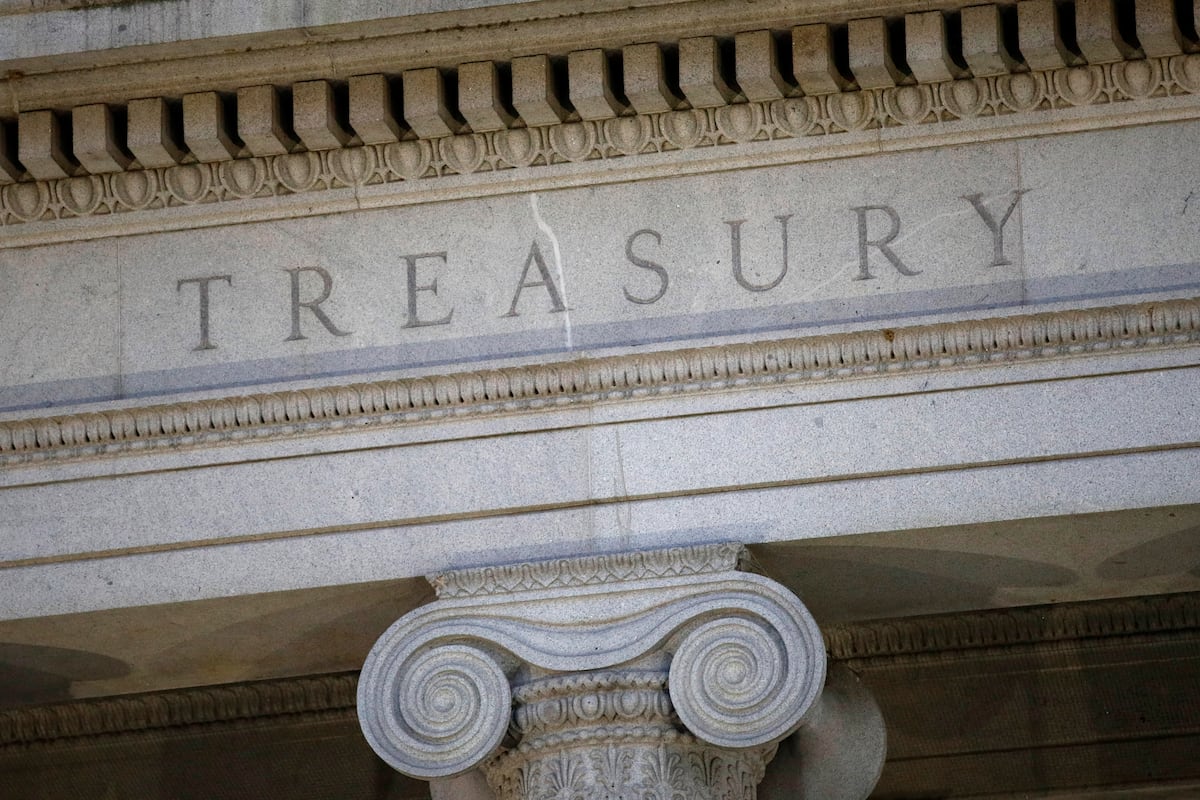
The U.S. has enacted extensive sanctions against hundreds of companies in Russia and various regions including Europe, Asia, and the Middle East, citing their roles in supporting Russia’s military operations and evading existing sanctions. The U.S. Treasury Department’s latest measures include sanctions on 60 technology and defense firms based in Russia, among them three financial technology companies.
Additionally, the sanctions extend to companies in Turkey, France, and Hong Kong associated with Promtekh, a Russian wholesale distributor of transportation equipment. These firms are accused of supplying goods to an ammunition procurement network linked to individuals from Italy and Turkey, who also face sanctions.
This comprehensive action represents a continuation of the thousands of sanctions imposed by the U.S. since Russia’s armed conflict in Ukraine began in February 2022. Questions regarding the effectiveness of these sanctions have arisen, particularly as Russia has managed to support its economy through oil and gas sales in international markets.
Alongside the Treasury’s actions, the U.S. State Department has designated various individuals and entities involved in Russia’s energy, metals, and mining exports. This includes those linked to drone production and subsidiaries of Rosatom, the Russian state-owned nuclear energy corporation. Notably, some individuals are implicated in the kidnapping of Ukrainian children, who were forced to identify as Russian.
The announcement of the sanctions coincides with the day before Ukraine’s independence day, as Ukrainian forces continue to advance into Russia’s Kursk region. This timing aims to reinforce support for Ukraine amid ongoing conflicts.
The sanctions are part of U.S. commitments made by President Joe Biden during discussions with G7 leaders in Italy earlier this summer. The intent is to disrupt the logistics of Russia’s military supply chains, aiming to increase the economic burden on its war efforts. Treasury Deputy Secretary Wally Adeyemo emphasized that “Russia has turned its economy into a tool in service of the Kremlin’s military-industrial complex,” urging global businesses and governments to refrain from supporting such operations.
Earlier this year, the U.S. approved an aid package for Ukraine that grants the administration the ability to seize Russian state assets in the country for the benefit of Ukraine. In conjunction with this, G7 leaders have formulated plans for a $50 billion loan to assist Ukraine in its ongoing defense efforts, utilizing interest accrued on the profits from Russia’s $300 billion in frozen central bank assets primarily located in Europe as collateral for these funds.
The content above is a summary. For more details, see the source article.









