


Key Takeaways
- Vandalia, Ohio, responded to an HVAC failure by launching a comprehensive infrastructure renewal plan.
- Energy Systems Group facilitated upgrades across multiple municipal buildings to enhance efficiency and sustainability.
- The project is expected to save the city $3 million over 15 years, reinvesting funds into the community.
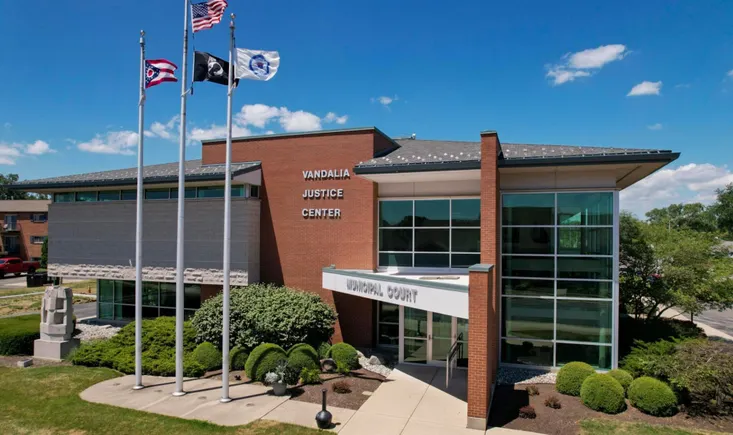
In the summer of 2021, Vandalia, Ohio, faced an HVAC failure at the Vandalia Justice Center, prompting immediate action on its aging municipal infrastructure. The city had previously adopted a conservative maintenance strategy focused on debt repayment and essential operational needs. While this approach was fiscally prudent, it resulted in many public buildings being left with outdated equipment and increasing maintenance demands.
With the retirement of building-related debt, Vandalia aimed to invest in a new public works facility, with plans for incremental upgrades. However, the emergency HVAC failure during a particularly hot week forced a shift in strategy. Understanding the need for prompt action, the city sought the expertise of Energy Systems Group (ESG) to develop a comprehensive infrastructure renewal plan that would prioritize critical requirements and establish a sustainable future approach.
ESG differentiates itself from traditional design-build firms by incorporating Energy Savings Performance Contracting (ESPC) principles, ensuring that renovations optimize both functionality and cost-effectiveness. City Manager Kurt Althouse praised ESG as a trusted advisor, noting their data-driven approach, which gave the City Council confidence to proceed with upgrades that included:
- Roof replacements for several municipal buildings
- HVAC system enhancements for improved comfort and energy efficiency
- A complete redesign of the Vandalia Recreation Center HVAC system
- Interior and exterior LED lighting installations, including solar-powered path lights
- Traffic signal upgrades and Uninterruptable Power Supplies (UPS) for key intersections to enhance safety
- Smart traffic signal systems to alleviate congestion
Vandalia embraced innovative technologies such as solar lighting and interconnected traffic signals to ensure the infrastructure improvements were proactive rather than merely reactive.
Securing financing for extensive facility upgrades in a community of approximately 15,000 residents was challenging, but Vandalia utilized ESG’s support in exploring diverse funding avenues. Their primary funding came from bond financing, supplemented by operational budgets, capital reserves, and anticipated energy savings. The city projects it will save $3 million over the next 15 years—funding that can be reinvested into community services.
To maintain project momentum, Vandalia adopted a design-build model, with ESG assuming the role of construction manager. This streamlined approach allowed the city to control timelines, manage costs, and ensure progress despite limited staffing capacities. Facilities Supervisor Rudy Wells noted the importance of expedited engineering in stabilizing budget projections during economic uncertainty.
While renovations were underway, Vandalia continued to plan strategically, collaborating with ESG to create a long-term capital improvement strategy that will enable the city to prioritize future upgrades without rushing due to emergencies.
Through decisive action and strategic partnership, Vandalia transformed a crisis into an opportunity for extensive modernization. This project evolved from a mere response to an HVAC malfunction into a comprehensive infrastructure enhancement, embodying the city’s commitment to stewardship and service for its residents. Vandalia not only addressed immediate issues but also laid the groundwork for a smarter, more resilient community infrastructure for the future.
The content above is a summary. For more details, see the source article.









