


Key Takeaways
- Mayo Clinic is leveraging a generative AI platform, Abridge, to streamline nursing documentation and enhance patient engagement.
- The new tool allows nurses to record conversations with patients, minimizing the time spent on documentation.
- Healthcare leaders stress the necessity for organizations to adapt to AI’s growing role in patient interactions and support the integration of advanced technologies in clinical workflows.
Nurses at Mayo Clinic Embrace AI for Streamlined Documentation
Mayo Clinic is transforming nursing documentation with the implementation of Abridge, a generative AI platform. Nurse leaders, including Frederick, advocate for a system designed specifically for nurses, emphasizing a patient-centric approach. The goal is to minimize traditional documentation burdens by allowing nurses to focus on patient interactions.
Under this new workflow, a nurse seeks patient consent to record their conversation via a smartphone. This recording then automatically integrates into the electronic health record (EHR) system, enabling nurses to engage in meaningful dialogues rather than focusing on typing or navigating screens. “We’re really focused on that patient-centered care and empowering them with information,” Frederick expressed, underscoring the healing power of patient relationships.
Significantly, the needs of nurses differ from those of physicians, which can make conventional documentation solutions ineffective in nursing contexts. Unlike physicians, nurses utilize discrete cells in flowsheets for their records rather than dictating notes. Recognizing this difference, Mayo Clinic’s nursing unit in Florida is already reporting 100% adoption of the Abridge tool. Frederick noted that initial hesitations among nurses were mitigated through peer support, highlighting the importance of effective change management in implementing new technologies.
Moreover, Frederick mentioned the clinic’s aim to reduce time spent on screens, stating the technology should be “tucked away,” allowing the focus to remain on patient conversations without interference from documentation needs. The initiative emphasizes the humanity of nursing, ensuring that patient care takes precedence over administrative tasks.
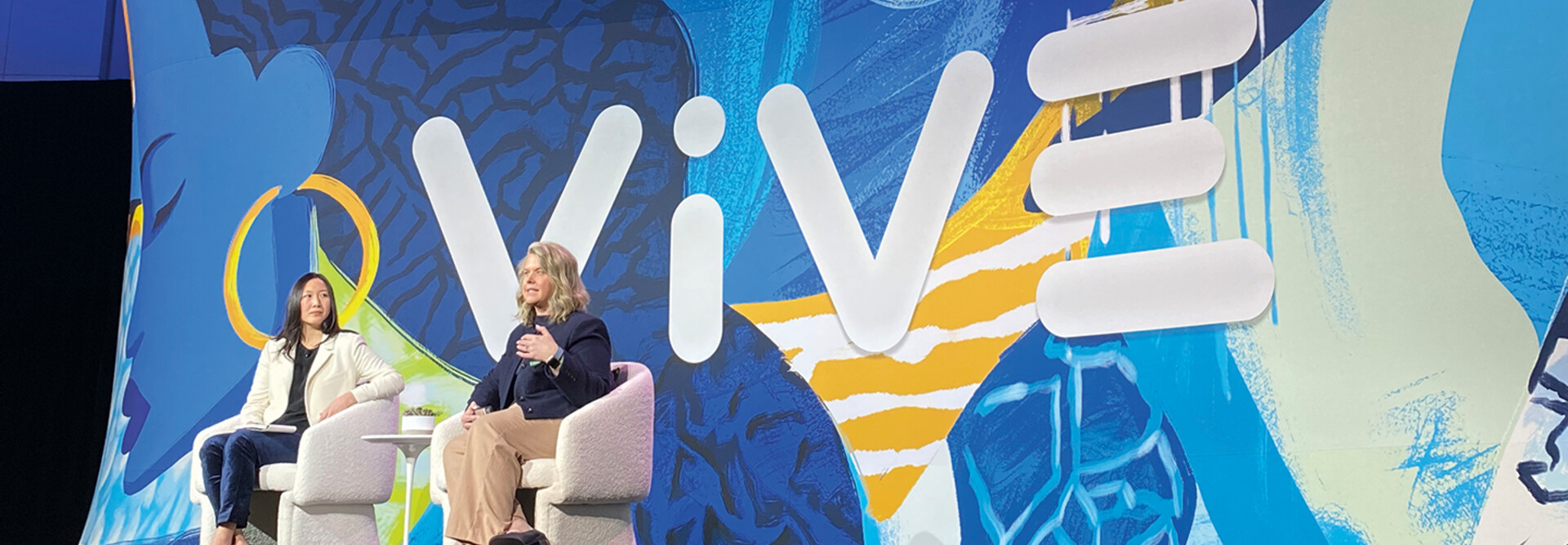
At a separate conference session, healthcare leaders discussed the necessity for organizations to adapt to the realities of AI in healthcare, noting that patients are increasingly comfortable using AI tools like Google and ChatGPT for medical inquiries. Dr. Bradley Crotty, a healthcare executive, highlighted the need for healthcare organizations to embrace these changes rather than fearing them, suggesting that AI can complement rather than threaten their business models.
Crotty described his health system’s digital-first primary care model, which uses AI to initiate patient journeys virtually before guiding them to clinicians. He stressed that AI solutions should fill gaps in knowledge and adapt to the specific needs of healthcare teams rather than repeating known information. Additionally, he urged organizations to incorporate machine learning operations (MLOps) into their practices as AI technology evolves.
As AI continues to permeate everyday life, healthcare organizations must prepare to integrate these advancements into their workflows, enhancing both patient care and operational efficiency. The initiatives at Mayo Clinic serve as a promising example of innovation in nursing that positions both nurses and patients at the forefront of healthcare delivery.
The content above is a summary. For more details, see the source article.









